

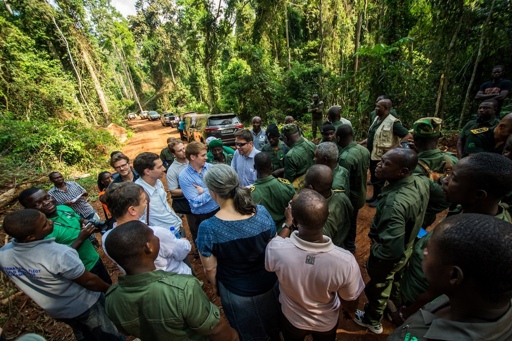
When Ghana began its Voluntary Partnership Agreement (VPA) process with the European Union, the attraction was clear. Europe is an important market for Ghanaian timber, international expectations around its legality were changing, and the VPA offered both market access and support for strengthening national forest governance. After a 16-year journey, last year Ghana became the first African country to earn a Forest Law Enforcement, Governance and Trade (FLEGT) license. In a Mongabay commentary published last year, Fred Pearce welcomed that achievement while posing an uncomfortable question: Could Ghana also be the last? With the future direction of FLEGT and the VPA model uncertain, he asked whether the long and difficult process that produced significant change in Ghana might fail to provide a pathway for others. Having been involved in this VPA process from negotiation through implementation, I believe Ghana’s experience suggests a broader way of considering that question. A forestry commission official demonstrates the nation’s timber tracking system in Ghana’s Sefwi Wiawso region. Image courtesy of European Forest Institute via Flickr. Whether or not other nations follow Ghana’s lead to their own FLEGT licenses, the process changed the way the nation’s forest sector makes policy, regulates timber, verifies legality and brings government, industry and civil society into the same governance system. Those changes now exist within Ghana’s national institutions, and in my view, this represents the most important legacy of the process. International framework becomes national process One of the first lessons from Ghana is that externally designed frameworks cannot…This article was originally published on Mongabay
From Conservation news via This RSS Feed.