

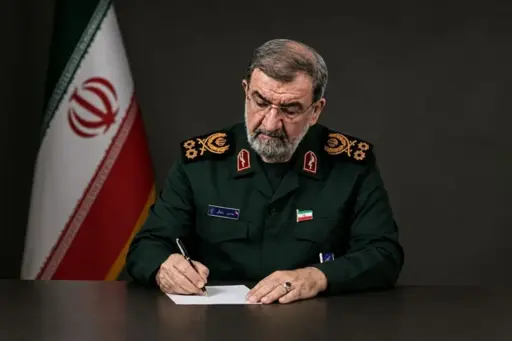
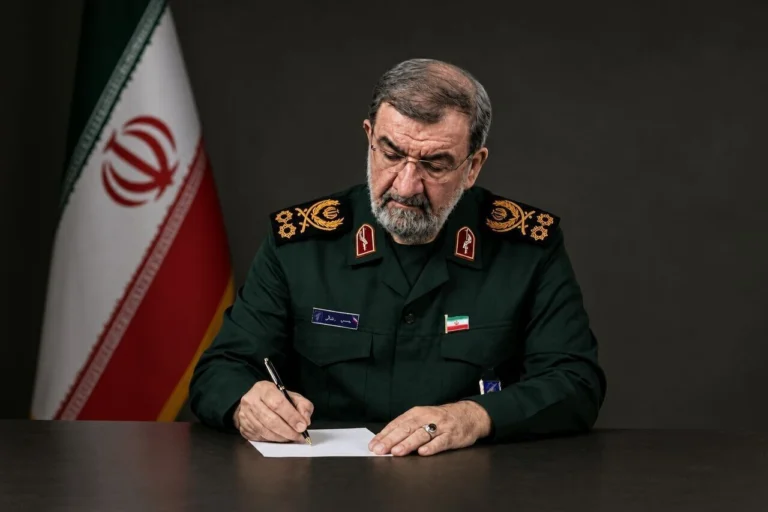
Iran is reviewing its nuclear doctrine after attacks on strategic sites, while a US letter signals a sharply different tone, officials say.
Related: Iran Labels British Navy, Air Force “Terrorist Groups”
Iran Nuclear Doctrine Review: 1 US Letter Signals Sharp Tone Change
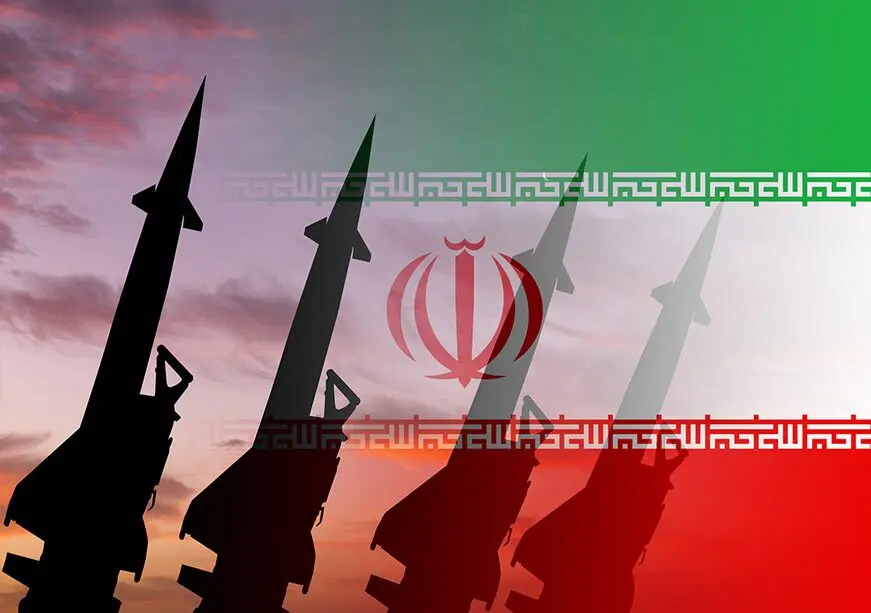
Iran is reviewing its Iran nuclear doctrine after attacks on strategic installations and growing public pressure for a stronger response to foreign hostility, according to Mohsen Rezaei, secretary of Iran’s Supreme National Security Council. Rezaei also confirmed that Tehran has received a letter from U.S. Vice President JD Vance, whose tone he described as radically different from previous American messaging.[telesurtv]
Speaking on state television on Sunday, November 1, Rezaei said the government is evaluating changes to the country’s nuclear doctrine. He framed the review as a response to attacks on Iranian strategic facilities and to public demands that the state answer foreign aggression proportionately.[telesurtv]
“This is not an academic exercise,” Rezaei said. “It arises from social pressure demanding a response proportional to foreign hostility, pressure the government cannot ignore.”[telesurtv]
A Letter With a Different Tone
Rezaei confirmed that a letter signed by Vance had arrived, but he did not disclose its contents. He declined to quote even a single paragraph and said Iran’s official response had not yet been drafted.[telesurtv]
According to Rezaei, Washington’s tone has changed completely. He attributed the shift to what he called the victory and strength consolidated by the Iranian people during the conflict.[telesurtv]
He interpreted the correspondence as an implicit admission that the White House’s strategic objectives have not been achieved. In his view, the letter is evidence of a strategic stalemate that U.S. diplomacy has failed to reverse.[telesurtv]
The claim could not be independently verified, and the U.S. administration has not publicly confirmed the letter’s contents or purpose.[telesurtv]
Iranian Ministry of Foreign Affairs
Why the Iran Nuclear Doctrine Matters
Iran’s nuclear doctrine has traditionally been presented as a defensive and passive framework, designed to deter attacks rather than initiate them. Rezaei’s comments indicate that the framework is now being openly debated inside the Iranian state.[telesurtv]
The review follows attacks on strategic sites, which Iranian officials describe as a turning point in relations between Tehran and Washington. Rezaei said public opinion has become an active participant in the debate, demanding a policy that matches the scale of perceived external threats.[telesurtv]
Any change would carry major consequences. Iran’s nuclear posture affects regional deterrence, the calculations of the United States and Israel, and the security environment surrounding the Strait of Hormuz.[telesurtv]
International Atomic Energy Agency
Regional Security and Foreign Forces
Rezaei also addressed the wider regional dimension of the conflict. He argued that the resilience of the resistance has forced states in West Asia to reconsider the region’s security architecture.[telesurtv]
His proposed direction is clear: the complete withdrawal of foreign forces and a system in which each state assumes sovereign responsibility for defending its own territory.[telesurtv]
That position gained visibility during a four-party meeting involving Türkiye, Saudi Arabia, Pakistan, and Iran. The governments issued a joint condemnation of Israeli aggression and warned against what they described as expansionist ambitions in the region.[telesurtv]
The meeting reflects an attempt to build a regional security conversation that does not center on U.S. military presence. It also highlights the growing importance of Türkiye, Saudi Arabia, and Pakistan as interlocutors in crises involving Iran and Israel.[telesurtv]
Tehran’s Deterrence Message
In remarks directed at Iran’s armed forces, the country’s leadership sought to project unity and resolve. The message was that Tehran would set the terms of any future confrontation and that U.S. or Israeli interests would fall within the reach of Iranian deterrence if war resumed.[telesurtv]
“No concessions,” the message transmitted to the armed forces stated, according to the report.[telesurtv]
Iranian officials have repeatedly warned that any renewed aggression would trigger a broad response. Earlier reporting cited Iranian leaders saying the country would respond “without geographic limits” to U.S. attacks on its sovereignty or infrastructure.[telesurtv]
Geopolitical Context
The debate over Iran’s nuclear doctrine comes amid months of escalating tensions that have weakened stability across West Asia. Attacks on strategic facilities have shifted the relationship between Tehran and Washington from diplomatic pressure and sanctions toward direct military confrontation.[telesurtv]
The Strait of Hormuz remains the central pressure point. The waterway carries a major share of the world’s oil trade, and any Iranian policy shift that raises the risk of conflict could affect energy prices, shipping insurance, naval deployments, and global supply chains.[telesurtv]
For the United States, the reported letter suggests an effort to manage escalation without publicly abandoning its strategic position. For Iran, the review of its nuclear doctrine serves both as a deterrent signal and as a domestic message that the state is responding to perceived external threats.[telesurtv]
The coming weeks will be decisive. A shift in Iran’s nuclear posture could reshape deterrence across the Gulf, influence the calculations of regional powers, and determine whether the current confrontation remains contained or expands into a broader conflict.[telesurtv]
From teleSUR English via This RSS Feed.