

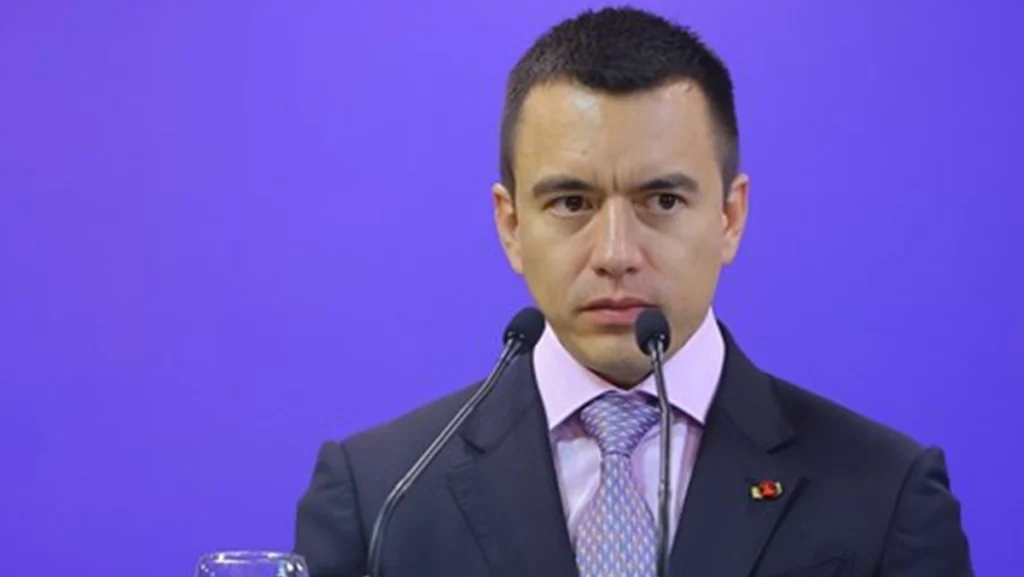
Ecuador’s President Daniel Noboa has authorized financing permanent public-sector expenses, including health and education, with extraordinary revenues or debt in 2027 under Executive Decree 527, signed October 29.
The decree establishes an exception to the fiscal rule and orders the authorization to be incorporated into next year’s General State Budget.
RELATED: Ecuador Protesters March Against Noboa Ahead of Local Elections
Ecuadorian regulations require permanent expenses to be financed, as a general rule, with permanent revenues, though the Constitution exceptionally permits health, education and justice obligations to be covered with non-permanent resources.
Non-permanent revenues include money from oil and public-good sales and extraordinary resources the State does not receive regularly. The Government may also resort to loans, which it must repay in the future.
⭕️ #ATENCIÓN | Daniel Noboa emitió el Decreto Ejecutivo 527, que declara la excepcionalidad de la regla fiscal para 2027. La medida permitirá financiar gastos permanentes en salud, educación y justicia con ingresos no permanentes, apartándose de la regla fiscal vigente.… pic.twitter.com/MwX7okpWM0
— Radio Pichincha (@radio_pichincha) October 30, 2026
The measure emerged days before the legal deadline for the Executive to present the 2027 budget draft to the National Assembly, set for Saturday, October 31. Noboa already used the mechanism for the 2026 fiscal year through Executive Decree 199, signed in October 2025.
The Dollarization Observatory, a collective specializing in economic analysis, warned that repeatedly using temporary revenues for recurring obligations can compromise fiscal sustainability and hinder the continuity of public services. “Attention! They are leading us into a dead end, and the privatization of health and education will be imminent,” the organization said in a statement.
The body also questioned the growing weight of public indebtedness and warned that new credits to cover state obligations can increase interest payments and reduce resources for social needs. “The moment will come—not very far off—when they will simply say that budget revenues (…) will not allow these services to be maintained and, therefore, they will have to be restricted or eliminated,” the Observatory said.
From teleSUR English via This RSS Feed.