

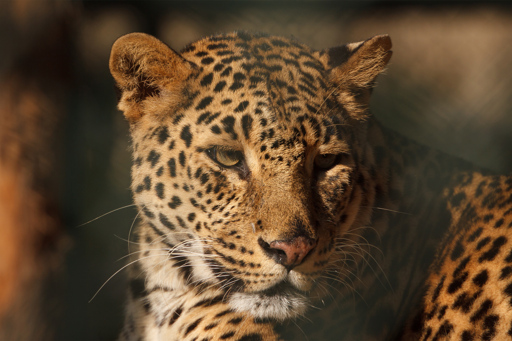
KATHMANDU — In March 2025, a tiger followed a forest trail through Nepal’s Khata Corridor until it reached a small iron stake next to the path. Attached to it was a dispenser releasing a laboratory-made version of a chemical found in the scent markings big cats use to mark their territory and communicate with other cats. A camera trap recorded the Bengal tiger (Panthera tigris tigris) approaching the station. The curious cat investigated the smell and then stopped, one of multiple instances of tigers and leopards coming up to these scent stations and then turning back the way they came. These encounters offer an early glimpse into an international experiment seeking to harness big cats’ territorial instinct in order to keep them away from livestock, farms and human settlements. But researchers caution that a tiger turning away from an experimental station is not yet solid evidence that the method can prevent livestock attacks. “It’s a long way from proving that — and we don’t claim otherwise,” said Martin Gilbert, a wildlife veterinarian, epidemiologist and associate professor at Cornell University in the U.S. who helped bring the research to Nepal. “At this stage, we’re asking a more fundamental question: Can these compounds reliably alter a predator’s behavior?” A woman with her goats in the buffer area in Bardiya. Image by Tulsi Rauniyar for Mongabay. Across Nepal’s buffer-zone settlements, encounters with tigers, leopards and snow leopards have led communities to use electric fences, flashing lights and other deterrents to protect livestock and…This article was originally published on Mongabay
From Conservation news via This RSS Feed.