

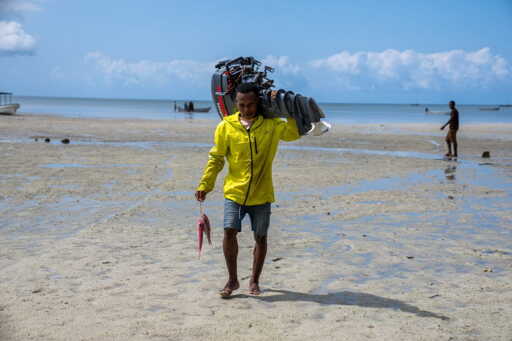
Perhaps the best-known target of the Kunming-Montreal Global Biodiversity Framework (GBF) is what’s commonly known as “30 by 30,” the aim to bring at least 30% of the world’s terrestrial, inland water, coastal and marine ecosystems into effective conservation and equitable management by the year 2030. According to Skytruth’s tracker, which combines multiple databases to provide a ready overview, as of October 2026, African countries had secured 19.9% of terrestrial and 17.2% of marine areas, a tick above the global coverage of 18.7% of land, and 10% of marine landscapes. As delegates from around the world gather in the ancient city of Yerevan, Armenia, for the 17th Conference of Parties (COP17) to the U.N. Convention on Biological Diversity from Oct. 19 to 30, it seems unlikely that the 30 by30 target will be met. Since the GBF was agreed in 2022, diverse observers have argued that we should also be turning our attention to what lies beneath these numbers. “The objective is not simply to reach 30% on paper by 2030,” says Daniel Marnewick, a conservation expert with the IUCN, the global wildlife conservation authority. “It is to secure biodiversity, strengthen ecological resilience, and build conservation approaches that are socially legitimate, locally grounded, and sustainable over the long term.” Beneath the headline figures, Marnewick says, “land and natural resources are under increasing pressure from competing demands, including agriculture, infrastructure, energy, mining, and other forms of economic development.” One obvious obstacle across the African continent arises from governments’ own conflicting priorities.…This article was originally published on Mongabay
From Conservation news via This RSS Feed.