

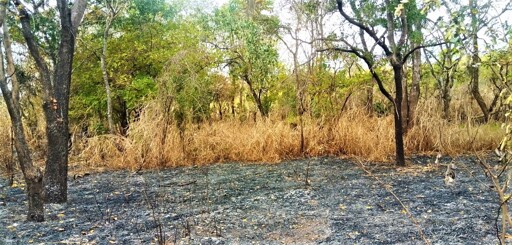
MOCUBA, Mozambique — Mozambique ranks among the 10 countries with the highest deforestation rates in the world. Each year, it loses about 267,000 hectares (660,000 acres) of forest, with the heaviest rates concentrated in the provinces of Nampula, Zambézia, and Manica. To counter this, a decade ago the country set an ambitious goal to reforest 1 million hectares (2.5 million acres) by 2030, alongside a 2025 target to restore 52,000 hectares (128,500 acres) per year through 2029 on a budget of 105 billion meticais ($1.65 billion). To date, however, only 58,000 hectares (143,300 acres) have been reforested — a total that includes tree plantations established before the million-hectare goal was set, according to data compiled by Sá Nogueira Lisboa, a forestry professor and researcher at Eduardo Mondlane University (UEM) in Maputo. Zambézia province in central Mozambique holds one of the country’s main forest areas, key to conserving biodiversity, regulating water resources, protecting soil, storing carbon, and supporting local communities. Yet it also faces severe pressure from deforestation, suffering some of the nation’s steepest losses in tree cover. Between 2000 and 2024, cumulative forest loss across the province reached 1.26 million hectares (3.11 million acres) — roughly 19% of its total forested area — according to the Provincial Directorate of Territorial Development and Environment (DPDTA). Replanting is critical to restore degraded landscapes, but inadequate follow-up monitoring has squandered much of that effort. A technician from the District Service for Economic Activities (SDAE) among trees with charred stems in the Tónduè Forest,…This article was originally published on Mongabay
From Conservation news via This RSS Feed.