

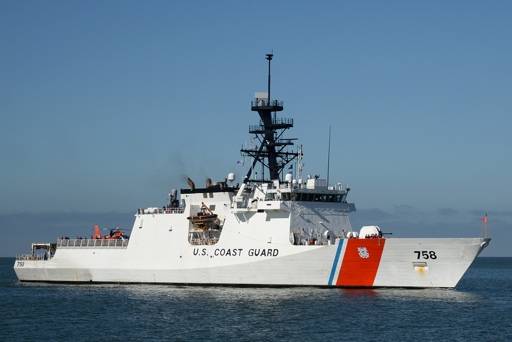
The United States Coast Guard hijacked two ships carrying fuel to Cuba in the Caribbean.
The US Coast Guard announced on Friday that it had intercepted and seized two cargo ships carrying “illegal fuel” bound for Cuba, a measure taken as part of the fuel blockade imposed by Washington against Cuba with the aim of toppling its government.
The US Coast Guard stated in a press release that an approximately 91-meter-long container ship, named Grace, was detained on September 5 in the Caribbean Sea between Cuba and Mexico after it was suspected of using “dark fleet” tactics to avoid detection.
Although the US Coast Guard did not provide details about these tactics, ships can conceal their destination through various means, including turning off their location transponders and sailing under cover of darkness.
According to the Coast Guard, another smaller vessel, the Jaira Provider, was seized earlier. It too was carrying fuel bound for Cuba.
These measures show that the Trump administration is using military force—and not just threats of tariffs—to enforce the fuel blockade on Cuba. The policy has helped cripple the Cuban economy and government and has caused widespread suffering among the population.
The New York Times reported that Coast Guard officials declined to explain how the agency determined that the fuel was bound for Cuba; they only stated that the determination was based on intelligence information.
It was unclear how much fuel the Grace was carrying, but the Coast Guard said the Jaira Provider was carrying about 794,936 liters. Although the quantities carried by the two vessels were relatively small, their interception underscores the Trump administration’s strategy to monitor and control the flow of fuel to Cuba.
The Coast Guard also did not provide information on the origin of the fuel being transported by the two intercepted vessels, but indicated that the last port both had called at was Colón, Panama.
Cuba produces some of the fuel it consumes domestically, but its production falls far short of the country’s needs to ensure the electricity supply of the national power grid. As a result, Cuba relies on foreign fuel shipments to keep the country running.
After the United States kidnapped Venezuelan President Nicolás Maduro in January, fuel supplies from Venezuela, Cuba’s main fuel supplier, were suspended.
Cuba Denounces US Oil Blockade and Lack of Progress in Talks
Trump subsequently increased the pressure by threatening to impose tariffs on other countries that supplied fuel to Cuba—a measure that, in practice, brought an end to foreign fuel shipments to Cuba.
The fuel shortage has caused several widespread power outages in Cuba and has plunged the country into an even deeper crisis. The situation has hampered hospital operations and led to food and water shortages.
Cuban Foreign Minister Bruno Rodríguez called the fuel blockade an “act of war” in his speech to the United Nations General Assembly and stated that the Trump administration’s pressure campaign has made the situation in Cuba “more cruel and dangerous.”
(HispanTV)
Translation: Orinoco Tribune
OT/SC/CD
From Orinoco Tribune via This RSS Feed.