

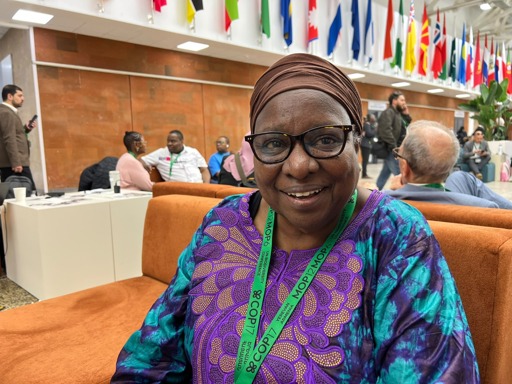
YEREVAN, Armenia — Two years ago at the 2024 U.N. biodiversity conference (COP 16) in Cali, Colombia, a meeting room packed with people representing some of the world’s thousands of Indigenous Peoples, erupted into cheering and applause. After three decades of hard work and negotiations, a seemingly obscure group within the Convention on Biological Diversity (CBD), the Subsidiary Body on Article 8j, had finally been adopted — forming a body that would significantly boost the voice and decision-making of Indigenous peoples and local communities at future biodiversity COPs. Now, at October’s U.N. biodiversity conference (COP 17) in Armenia, Indigenous representatives are deep in discussions to finalize how it will operate, its governance and the modus operandi of this body — how the permanent body will function day-to-day. This includes establishing co-chairs, advancing 12 tasks under a programme of work and addressing funding mechanisms. “It gives us a proper seat at the table … [but] it’s taken too long,” said Lucy Mulenke, co-chair of the International Indigenous Forum on Biodiversity. Mulenkei was among those who had worked to get the new body over the line. A Masai leader from Kenya, Mulenkei is also executive director of the Indigenous Information Network. A former broadcast journalist, she spent 17 years reporting on environmental issues in East Africa. She eventually switched roles to become an activist focusing on the traditional skills and knowledge of Indigenous nomadic pastoralists and hunter-gathers. Negotiations are going in force, she told Mongabay, though barriers exist. Cristiane Pankararu, an Indigenous…This article was originally published on Mongabay
From Conservation news via This RSS Feed.