

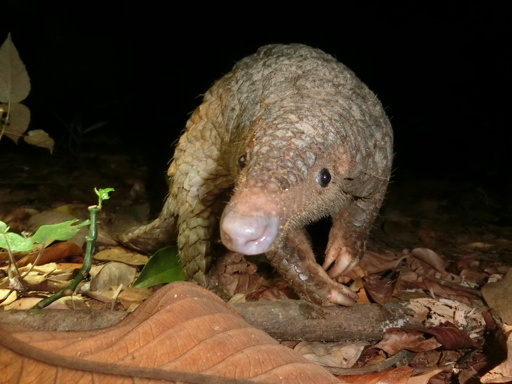
When customs officials at Jakarta’s Tanjung Priok Port opened a shipping container flagged for inspection in February 2026, they expected to find sea cucumbers and instant noodles as indicated on the consignment paperwork. Instead, they found 3,053 kilograms (6,730 pounds) of dried pangolin scales destined for Cambodia. It was among Indonesia’s largest seizures of the illegal commodity in recent years, sparking an unusual lawsuit against the alleged offenders that experts say could be an innovative way to hold wildlife traffickers accountable for the damage they inflict upon ecosystems and biodiversity. As in many other countries, Indonesia primarily uses criminal laws to prosecute wildlife crimes, an approach that has historically resulted in relatively short prison sentences and fines that rarely approach maximum statutory penalties. However, Indonesian conservation NGO Science for Endangered and Trafficked Species (SCENTS) Foundation is taking a different approach. In parallel to the state-led criminal prosecution, the NGO has raised a civil lawsuit demanding the alleged traffickers pay to repair the ecological harm caused by removing thousands of pangolins from their wild habitats. “What was lost in this case was not merely three tonnes of scales,” Ma’ruf Erawan, director of SCENTS Foundation, said. “Behind those scales were thousands of pangolins removed from the wild, together with ecological functions and the values we all hold for Indonesian nature. The offenders must be held accountable for all the harm they caused.” The organization, represented legally by Jakarta-based law firm NET Attorney, filed the civil lawsuit on Sept. 2 at the East…This article was originally published on Mongabay
From Conservation news via This RSS Feed.