

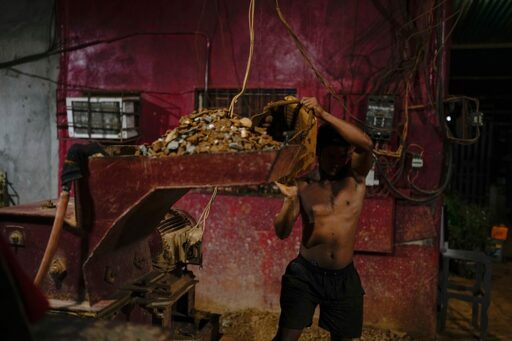
New mapping by Amazon Underworld finds that criminal networks or armed groups operate in nearly three-fifths of Amazon municipalities across the six countries surveyed, which include Bolivia, Brazil, Colombia, Ecuador, Peru and Venezuela. Of the 1,310 municipalities examined, researchers found illicit actors in 768 of them, or 59%. Colombia had the highest proportion of affected municipalities (98%), followed by Venezuela (82%), Brazil and Ecuador (59% each), Peru (34%) and Bolivia (31%). The report also identifies increasingly interconnected criminal operations crossing international boundaries, such as Brazil’s Comando Vermelho, which is now present in almost 500 municipalities, including in Bolivia and Peru. Eight armed groups are present in 99 municipalities in the Colombian Amazon. About 78% of the country’s rural population, nearly 10 million people, “live under the influence of at least” one non-state armed group, according to Humanitarian Action. “One of our main concerns is how organized crime instrumentalizes local communities,” report author Bram Ebus, founder of Amazon Underworld and International Crisis Group consultant, told Mongabay over WhatsApp messages. “Groups extort them. They also use them, often under coercion, as human shields to protect illicit economies and obstruct state interventions. This leaves communities exposed to violent repression by state forces as well.” According to the report, gold has overtaken cocaine as the Amazon’s most lucrative criminal industry. “This shift has accelerated environmental destruction through deforestation and mercury contamination,” Ebus said. As rival groups battle for territorial control, local populations, especially Indigenous communities, bear the brunt of escalating violence. Ebus said such…This article was originally published on Mongabay
From Conservation news via This RSS Feed.