

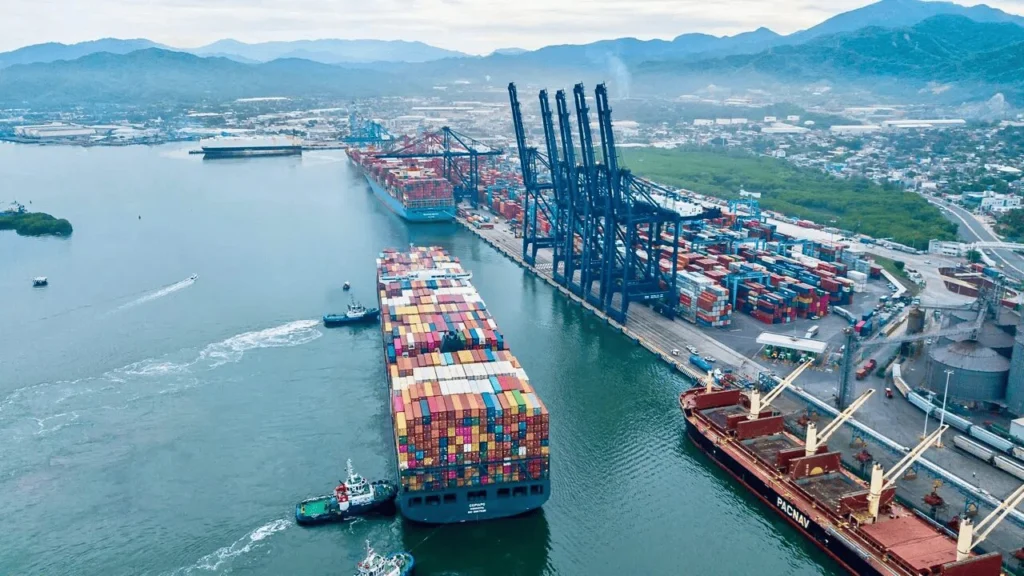
“Latin America has the potential to produce and supply alternative marine fuels, although the development of regional supply hubs will depend on maritime traffic, cargo volumes, and production conditions.” This was stated on Tuesday by Adrian Tolson, International Bunker Industry Association (IBIA) president, in comments to the portal Mundo Marítimo.
RELATED:
European Parliament Urges to Abandon Fossil Fuels Faster
According to the expert, the key question is whether countries in the region will prioritize the export of alternative fuels or the strengthening of their own domestic bunker supply markets.
“It is most likely that ports with high cargo volumes in countries such as Brazil, Argentina, and potentially Peru will become the first hubs for the supply of alternative fuels,” Tolson asserted.
He identified Brazil, Peru, Colombia, and Argentina as potential suppliers of alternative marine fuels—specifically biofuels. Brazil benefits from its established ethanol industry, while countries with abundant renewable resources could participate in the production of renewable fuels of non-biological origin (RFNBOs).
“Chile, for example, has already generated considerable interest as a producer of green hydrogen,” the IBIA president noted.
Hydrogen groups want Brussels to revise RFNBO production rules by year-end, postpone additionality and monthly matching requirements until 2035, and protect first-mover projects. They warn regulatory uncertainty is delaying investment.https://t.co/RzUbIPNKvQ#Hydrogen #RFNBO
— Fuel Cells Works (@fuelcellsworks) September 24, 2026
Regarding the available alternatives, Tolson maintained that liquefied natural gas (LNG) remains commercially attractive, particularly when renewable natural gas—which can help reduce the greenhouse gas footprint—is available. He added that LNG continues to be the most popular alternative marine fuel and could retain that position for some years to come.
However, he expressed caution regarding hydrogen-derived RFNBOs, citing their high costs and the investments required to develop compatible vessels.
#Europe | The European Parliament calls for a faster phaseout of fossil fuels, pushing for stronger climate action and a transition toward renewable energy amid growing concerns over global warming and energy security.#ClimateChange #teleSUREnglish pic.twitter.com/e4Sl9rBElm
— teleSUR English (@telesurenglish) October 23, 2026
From teleSUR English via This RSS Feed.