

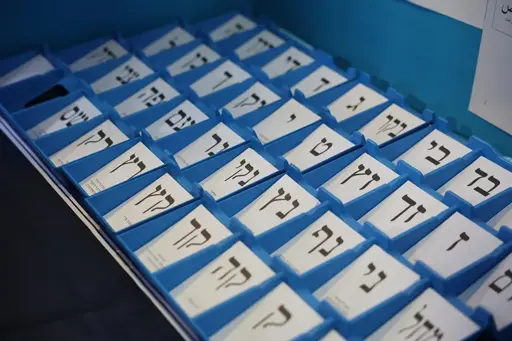
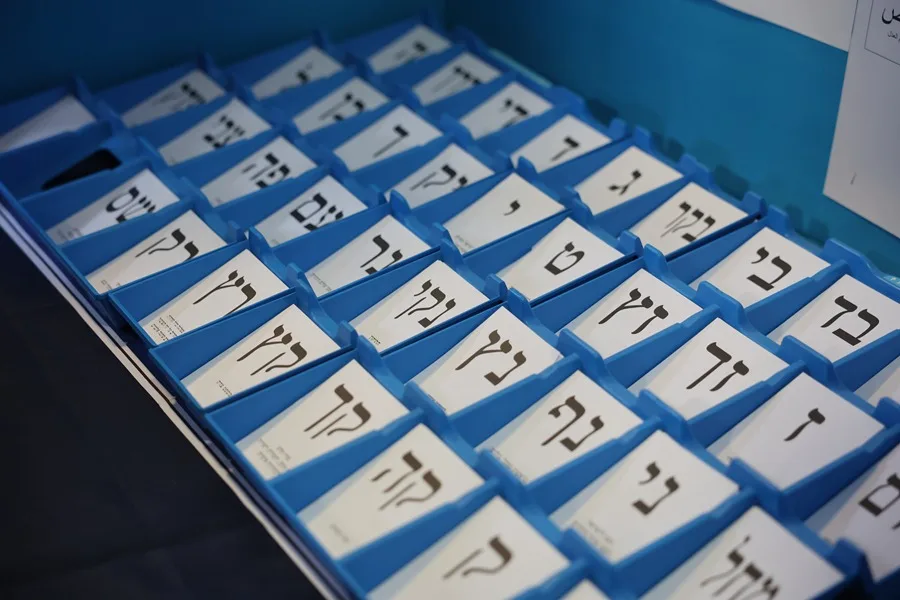
Israelis cast ballots on Tuesday in the first national election since the start of the genocide in Gaza, which has claimed over 70,000 Palestinian lives, with Prime Minister Benjamin Netanyahu running second in the polls and two rival blocs appearing unable to form a government without support from Arab parties.
Of 38 competing parties, only 11 were expected to clear the 3.25% threshold for parliamentary representation, according to the report.
RELATED: UN Commission Accuses Israel of War Crimes and Genocide in West Bank and Gaza
The latest surveys from the three main television channels, published three days before the election, gave the coalition led by former army chief Gadi Eisenkot 52 to 56 seats and Netanyahu’s bloc 50, both short of the 61 needed for a majority, according to those polls. Arab parties were projected to win 14 to 16 seats, and only one poll gave 4 seats to the new pro-opposition Reservists-Economic Bloc.
Netanyahu, leader of the right-wing Likud, relied on ultra-Orthodox Jewish formations and ultranationalists. Meanwhile Eisenkot’s bloc, led by the right-wing Yashar! party, included the right-wing Beyajad party of Naftali Bennett and Yair Lapid, Israel Beitenu of right-winger Avigdor Liberman, and The Democrats of Yair Golán.
U.S. President Donald Trump has publicly endorsed Netanyahu via Truth Social.
הנשיא טראמפ קורא לכם להצביע מחל. אל תישארו בבית, הצביעו מחל ויחד נשלים את המשימה ונשמיד את האיום האיראני. 🇮🇱 pic.twitter.com/6jQRjz8UVr
— Benjamin Netanyahu – בנימין נתניהו (@netanyahu) October 26, 2026
The arab vote in Israel
About 20% of Israel’s 10.3 million people are Arab Israelis, Palestinians with Israeli citizenship descended from those who did not flee or were expelled after the war preceding the state’s creation. Unlike Palestinians in occupied East Jerusalem, they can vote and make up 17% of the electorate, though past elections showed support for boycotts.
Researcher Marzouq Halabi told The New Arab that “people instinctively recognise that these elections serve as a cover for an absolute war, which Israel has framed as a religious one aimed at deciding the Question of Palestine through violence and subjugation, with all that this implies. As such, people will turn out collectively to the ballot boxes. They are not asking about party platforms; rather, they are asking how the fascist right can be repelled and its agendas obstructed.”
Reports from the Israeli media outlet Haaretz point out that Netanyahu’s Likud party has spent millions of shekels recruiting and paying workers to monitor polling stations in Arab communities, record voters, and report developments to party headquarters in real time.
Voting dynamics
A total of 12,018 polling stations opened across Israel and in illegal West Bank settlements for 7,332,000 eligible voters, the Israeli Central Elections Commission reported.
Because Israelis abroad cannot vote remotely, the U.S. NGO AID Coalition, which leads the Fly&Vote initiative, estimated at least 67,000 had returned to vote, mostly from Europe and the United States.
Netanyahu was set to vote at 11:00 local time in West Jerusalem’s Katamón neighborhood, while main challenger Gazi Eizenkot planned to vote about three hours later in Herzliya, their parties announced.
From teleSUR English via This RSS Feed.