

Cuba’s pediatric leukemia survival rate has fallen below 50% due to the intensified U.S. economic, commercial, financial and energy blockade, the president of the Cuban Society of Hematology, Olga Agramonte, denounced.
Cuban medicine had historically guaranteed survival rates of between 89% and 90% in pediatric patients, a figure now collapsing because of the impossibility of acquiring essential oncology drugs, diagnostic means and timely treatments, according to the report.
Agramonte denounced that the policy of asphyxiation considerably reduced cure and transplant rates and said the Caribbean nation faced severe obstacles to purchasing medical supplies due to the veto of bank accounts and sanctions on financial entities.
RELATED: Strengthening Climate Resilience in Coastal Communities of Southern Cuba
The specialist further warned that the crisis also deteriorated care for benign diseases associated with pregnancy and reduced blood donation, driven by complex living conditions and power outages, and said that although Cuban doctors adapted treatments, the pathologies responded to strict protocols and therapeutic timelines.
16000 personas en #Cuba necesitan radioterapia y 12000 quimioterapia.Lo han reconocido ONU y OMS.Dichos tratamientos requieren electricidad estable y Cuba, por el cerco energético,sufre prolongados apagones. El bloqueo no causa cáncer,pero obstaculiza tratamiento d la enfermedad pic.twitter.com/KSRKyZ3S1d
— Anayansi Rodríguez Camejo (@AnayansiRCamejo) October 26, 2026
During the twenty-second Civil Society Forum against the blockade, organized by the Cuban United Nations Agency, civil society representatives exposed the widespread impact of these coercive measures on the National Healthcare System.
The head of the Department of International Organizations of the Ministry of Public Healthcare, José Armando Arronte, detailed that the surgical waiting list exceeded 100,000 patients, of whom 12,000 were minors.
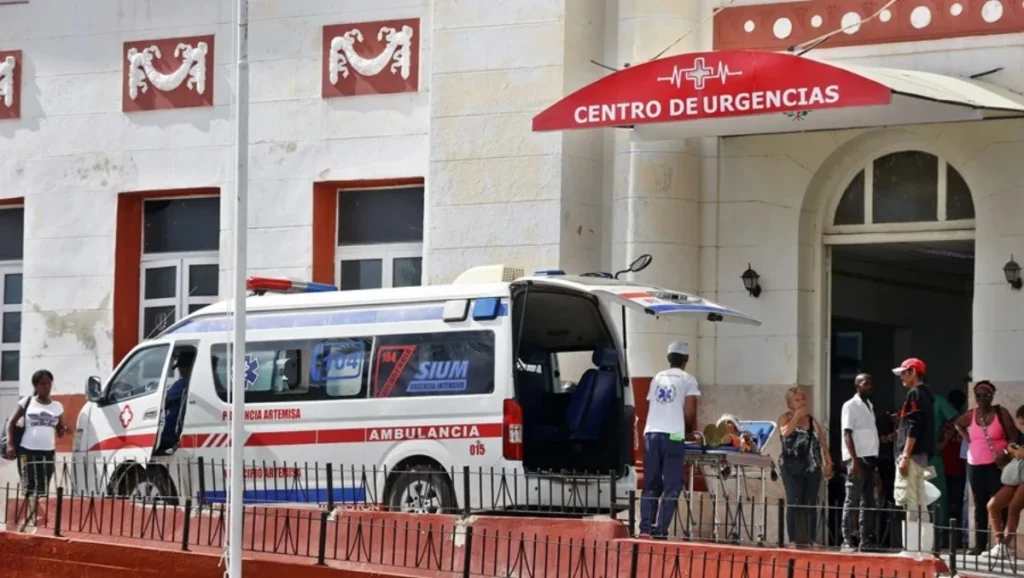
The U.S. siege also affects ambulance transport and the wear and tear on health personnel in the face of blackouts and resource scarcity, allowing the country to guarantee only 30% of the medicines on its basic list, according to the report.
From teleSUR English via This RSS Feed.