

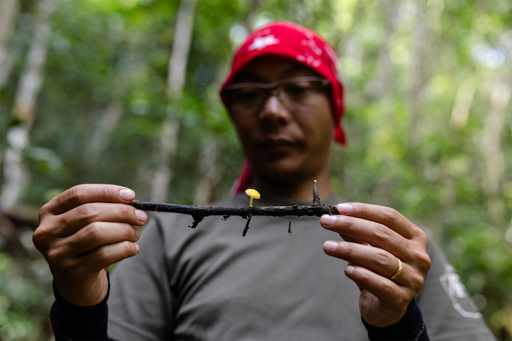
YEREVAN, Armenia — Like the dark spaces they often prefer, mushrooms, yeasts, and some 160,000 known species of fungi rest in the background of conservation efforts. But their crucial role as ecosystem engineers makes protecting them vital, said Greg Mueller, chief scientist emeritus at the Chicago Botanic Garden in the U.S. “They really are responsible for life on Earth,” he said, “and life as we know it would not exist without fungi.” Mueller called fungi “nature’s recyclers” at the launch of the first global conservation strategy for fungal conservation on Oct. 21 at the United Nations biodiversity conference (COP17) in Armenia. Many fungi also form symbiotic relationships with plants, helping shuttle nutrients and water between them; they can sock away carbon in soil and help provide food for animals and people. Historically, international negotiations to stem the global loss of species haven’t fully considered fungi. Now, a team of fungi conservationists from 30 countries led by Mueller has set out to integrate fungal conservation into the Kunming-Montreal Global Biodiversity Framework, a central part of negotiations at COP17. To date, mycologists — scientists who study fungi — have little data on the conservation status for most species known to science. “When we talk about … halting extinction risk, how can we talk about it [while] ignoring a whole kingdom of life?” Cátia Canteiro, a conservationist with U.K.-based NGO Plantlife International who co-led the strategy, said during the launch. The guidelines aim to spur new research and the protection of rare species,…This article was originally published on Mongabay
From Conservation news via This RSS Feed.