

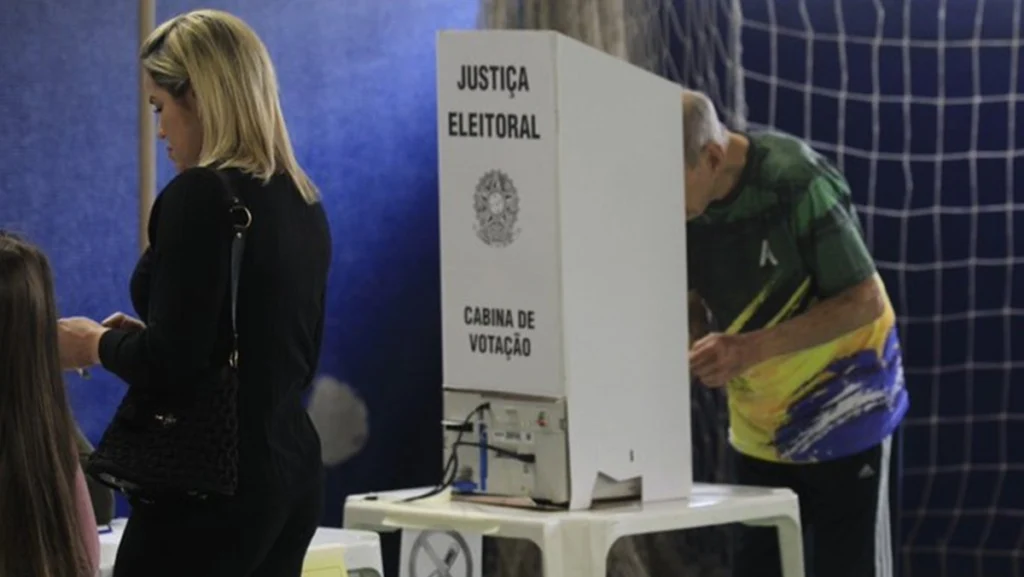
About 158.7 million voters are eligible to cast ballots, as polls project a technical tie between the two presidential candidates.
On Sunday, polling stations across Brazil opened on time at 8 a.m. local time for the presidential runoff, in which incumbent President Luiz Inacio Lula da Silva and Senator Flavio Bolsonaro, are vying for the country’s top office.
RELATED:
Brazil Votes in Presidential Runoff Between Lula and Bolsonaro
About 158.7 million voters were called to the polls on Sunday, when six state governors will also be elected. Polling stations will remain open until 5 p.m. Abstention is expected to decline from the 21.08% recorded in the first round, the highest rate since 1998.
The same hours will apply to polling stations abroad, where about 919,000 people registered to participate in the election, a 32% increase compared with the 2022 elections.
As on Oct. 4, polling stations will serve voters who are in line at closing time. In the first round of the presidential election, the son of former President Jair Bolsonaro received 47% of the vote (56.1 million ballots), compared with the 45.16% won by Lula (53.8 million votes).
Com orgulho, o Partido Socialista Europeu (PES- PSE) está em São Paulo, ao lado de Lula! 🇧🇷❤️
Na véspera das eleições, o nosso Secretário-Geral, @giacomofilibeck , participa desta mobilização em apoio a Lula e ao projeto de um Brasil com mais justiça social, igualdade de gênero e… pic.twitter.com/NMmsfxlSvQ— PES 🌹🇪🇺 (@PES_PSE) October 24, 2026
The text reads, “The Party of European Socialists (PES) is proud to be in Sao Paulo, standing with Lula! On the eve of the elections, our Secretary-General, Giacomo Filibeck, is taking part in this mobilization in support of Lula and a vision for Brazil that prioritizes greater social justice, gender equality, and environmental protection. We stand together in defense of democracy and in the fight for a fairer, more egalitarian Brazil—a country that offers opportunities for all!”
São Paulo, the country’s most populous state, remains Brazil’s largest electoral district, accounting for 21.5% of voters, followed by Minas Gerais (10.3%), Rio de Janeiro (8%), Bahia (7%) and Parana (5.4%), according to data from the Superior Electoral Court (TSE).
According to election polls released over the past week, the Workers’ Party leader and the far-right politician are in a technical tie, with a margin of error of 2 percentage points.
teleSUR/ JF
Sources: EFE
From teleSUR English via This RSS Feed.