

By David Swanson, World BEYOND War, October 24, 2026
Remarks at #NoWar2026
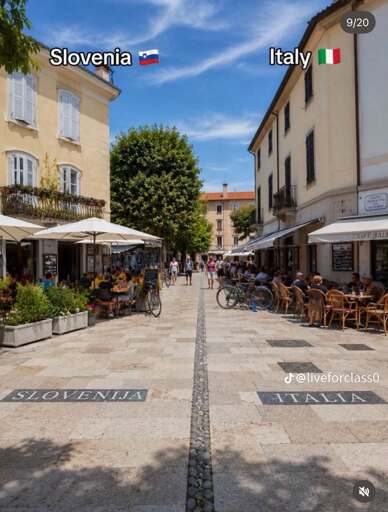
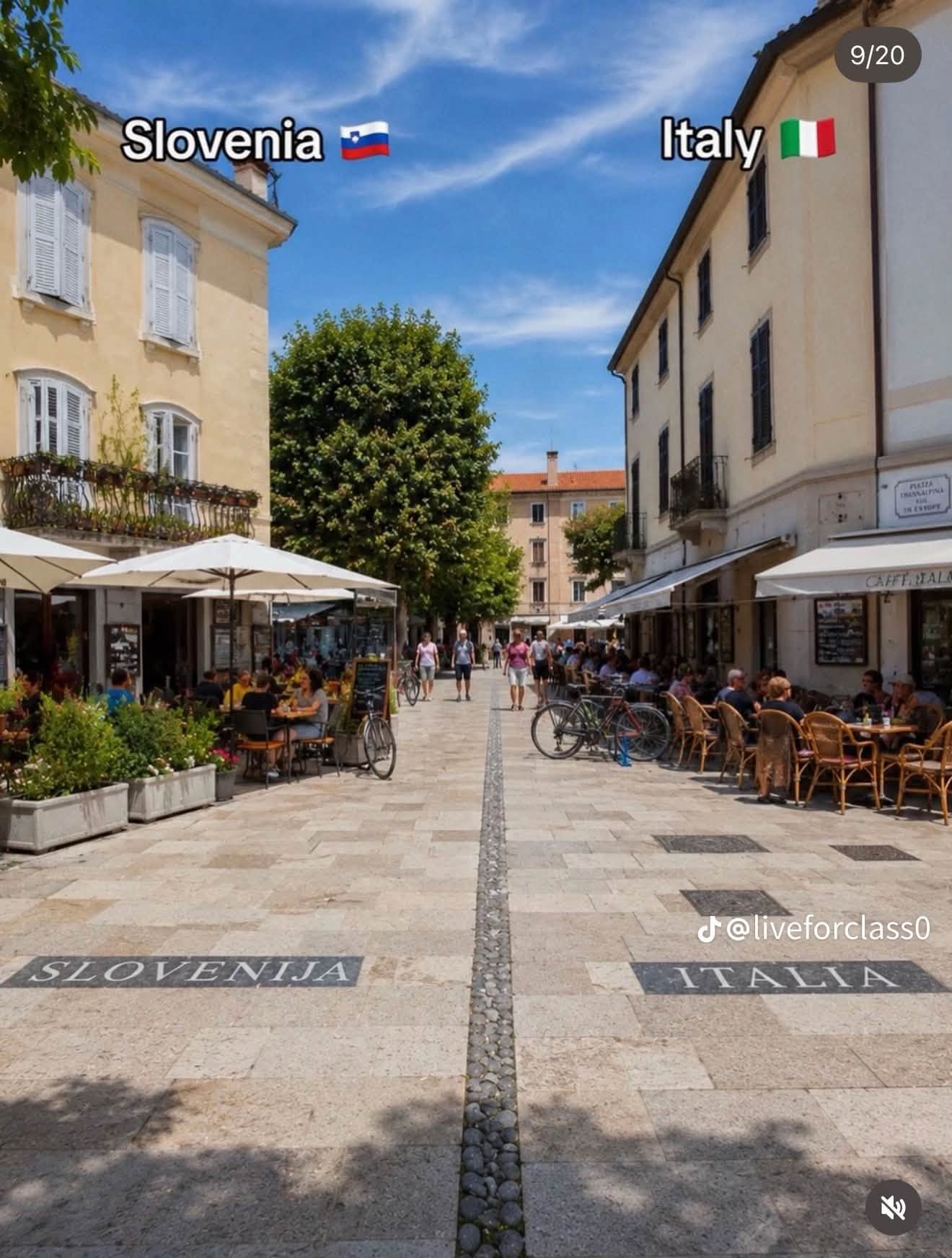
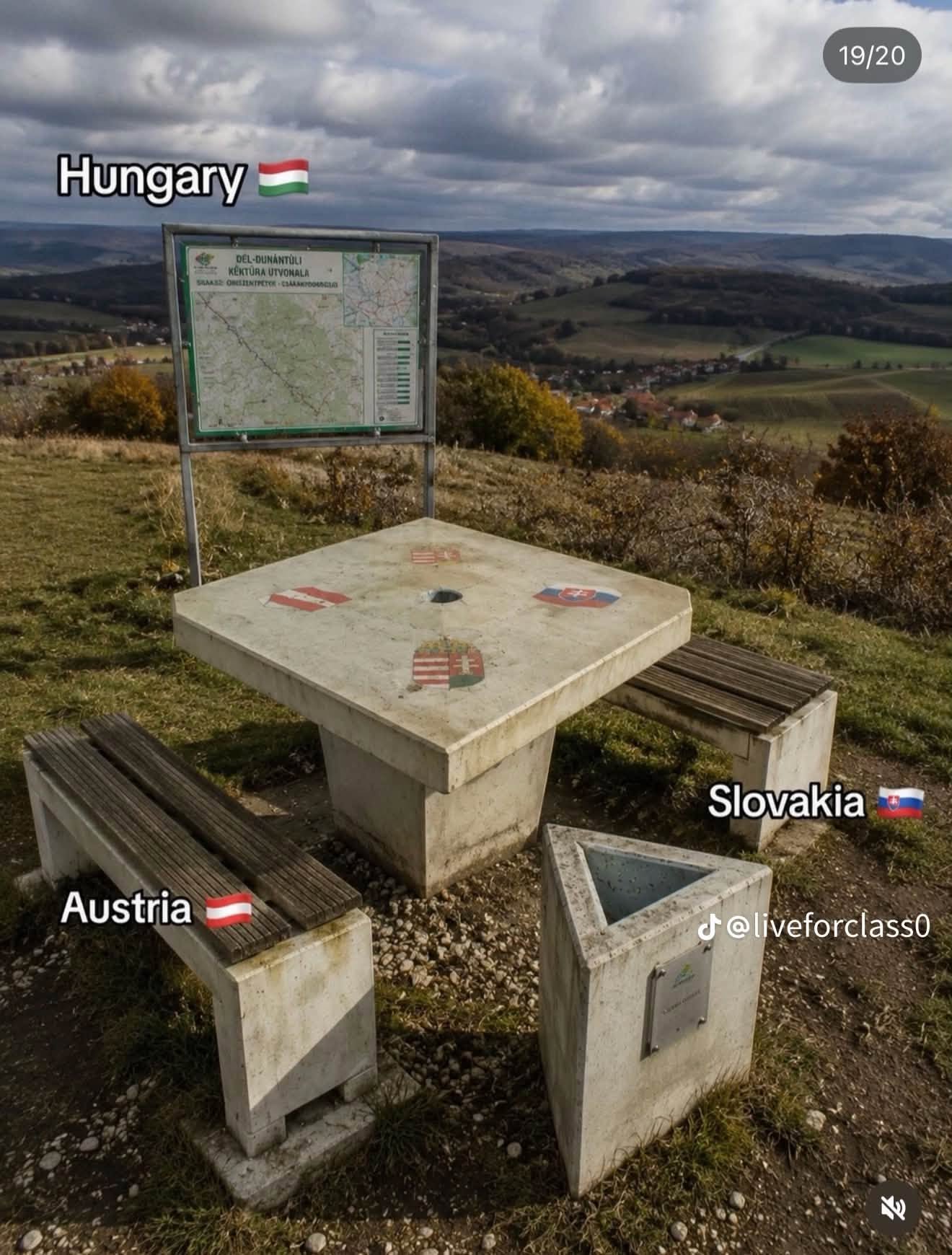
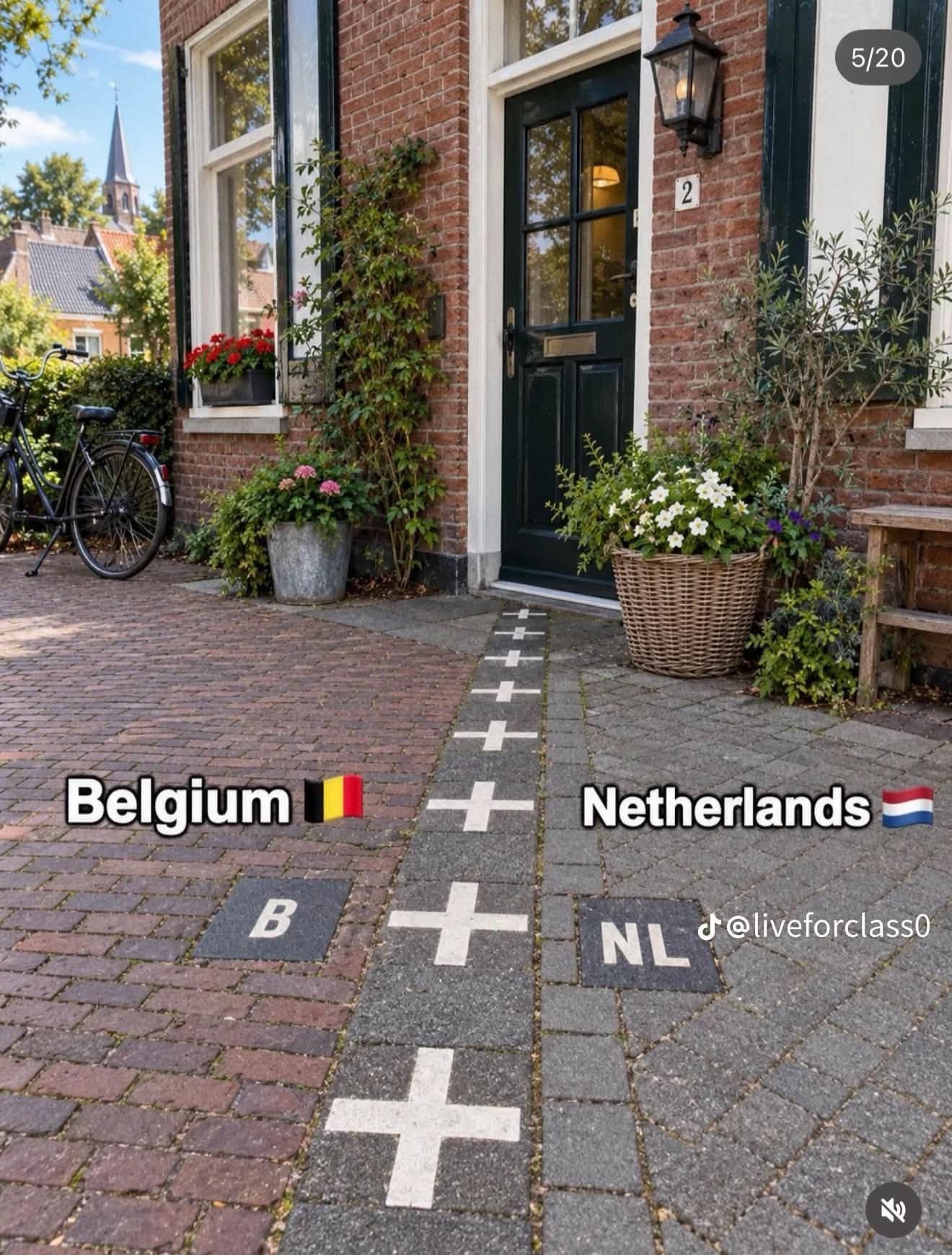
Welcome to #NoWar2026 Beyond Borders. Welcome to people from the other sides of countless borders from where I am — borders often effortlessly and thoughtlessly crossed by live images and audio of us, yet sometimes absurdly turned into barriers to some of our physical bodies — turned into such absurdities at enormous financial and environmental and cultural costs. Might there be another way, slightly or radically different from the current way? This will be our topic for these three days.
Thank you to the sponsors and endorsers of #NoWar2026. Our sponsors at the level of War Abolishers are Dr. Michael D. Knox and the U.S. Peace Memorial Foundation. At the level of peace champion is War Prevention Initiative. At the level of Peacemakers, our sponsors are Ann Wright, World Service Authority, Conscience Canada, Just Peace Advocates, and Women’s International League for Peace and Freedom – U.S. Congratulations to that last one for being the recipient this year of the U.S. Peace Prize from the aforementioned U.S. Peace Memorial Foundation. At the level of Supporters, our sponsor is Josette Wier. Our endorsers are far too numerous to name, but you can find them at worldbeyondwar.org/nowar2026.
Thank you to our staff who have all had a role in putting this conference together, and especially to Greta Zarro, its primary organizer.
Thank you to our board and advisory board and chapter organizers and online course facilitators and affiliate organizations and all of you who take part in these annual gatherings and support our work throughout the year.
One of my favorite things about our annual conferences is how many different corners of the world people attend from. It makes it very difficult for anyone to say the sorts of things that peace activists often say, at least where I live, things like “We just threatened to obliterate Iran” or “We just sent troops to Panama.” Of course no peace activists ever, ever actually do such things. But they speak as if they are the military or the ruler of a nation. That’s hard to do when we, the people taking part in an event like this, are from dozens of different nations.
From early on in the existence of World BEYOND War we have sold and encouraged the wearing of sky blue scarves symbolizing the sky we all share. The idea for them came from peace activists in Afghanistan who created what they called the Border-free Blue Scarves project.
When we created World BEYOND War 12 years ago it was to create what World BEYOND War is, an organization not based in any nation, but with Board, Advisory Board, Staff, and participants from any corner of the planet possible. From Day 1 we had no use for borders. We’re not just based beyond borders but loyal beyond borders. We don’t support or oppose any particular government. We oppose all warmaking and all weapons making by any governments that do those things, including the ones that do them a lot and the ones that do them a little.
We also created World BEYOND War to be something else that it is, a movement aimed at no particular war or tactic or weapon, but at the entire institution of organized mass killing. We’re not here to examine the war business and decide where it needs tweaking. We’re not upset that an overpriced weapon doesn’t work. We’d love for them all to not work. We can’t provide you with a list of the bad wars and a list of the good wars any more than we can list for you the good cases of any other atrocity. So we’re inclined toward rejecting misleading examples used to justify enormous industries. A claim to have found a just and proper militarized national border is unlikely to win us over to walling off all countries, and more likely to lead us to ask for more information.
In looking at the full picture of war, we see the transformation of borders into war zones as one part of the war problem.
And we point out that in many cases its no transformation, as the borders are products of wars. Our past annual conferences have also looked at particular aspects of war’s destruction. #NoWar2017 looked at what war does to the natural environment, #NoWar2018 at what war does to the rule of law, #NoWar2021 at the business of holding weapons fairs and of preventing them, #NoWar2023 at unarmed defense as an alternative to war, #NoWar2024 at the empires of bases war creates, and #NoWar2025 at abolition — at the project of eliminating something like wars or borders.
Borders is a critical topic when it comes to war and peace because wars are driving more people to cross and to try to cross borders, because the war industry is treating those war victims as another war enemy and turning borders into permanent wars, and because those wars against refugees may evolve into wider wars as the pressures to flee warzones and militarized governments and environmentally devastated climates build on one side, and the fear, greed, bigotry, and war profits grow on the other — unless these vicious cycles are disrupted by wiser behaviors imposed on governments by nonviolent activists who’ve attended good conferences.
At World BEYOND War we often think of our work in terms of education and activism and media, though the three areas cannot always be separated. We want education to drive activism to drive media coverage to drive more education to drive more activism and so forth. Thus we do all sorts of educational events, such as this one.
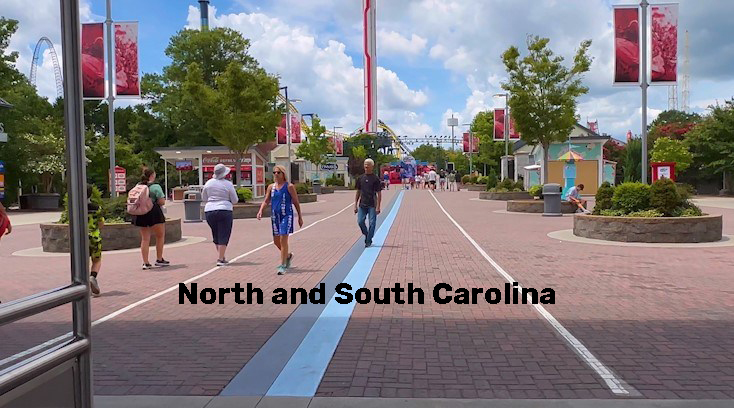
Borders do so much damage that we think they are everywhere and always have been, a little bit like wars. But borders are a very strange new invention and mostly not there. A lot of things cross borders. Our work crosses borders. This conference crosses borders.
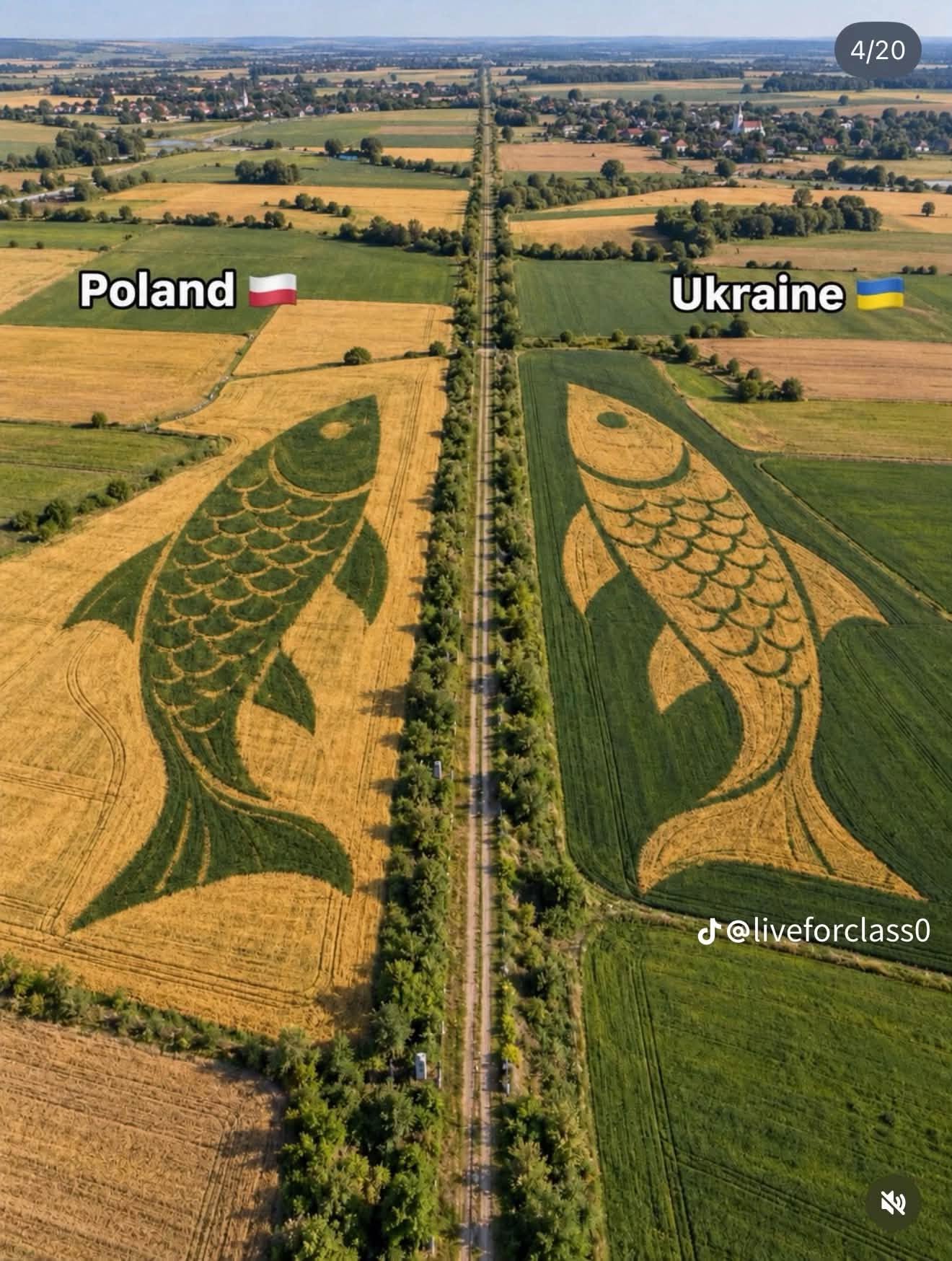
One of the great many things that cross borders is weapons.
Weapons cross borders when they’re resold, when they’re stolen, when they’re used, but especially when they are first purchased. Most places on Earth, including most places with wars, don’t manufacture any significant weapons of war. The few places that do (the U.S., Israel, France, Germany, Italy, Russia, South Korea), sell them almost everywhere. Weapons from one country, the United States, cross U.S. borders to arm dictatorships and so-called democracies across the globe, in quantities equal to the foreign weapons sales of almost all other countries combined. World War II, the Iran-Iraq War, the Mexican Drug War, the Wars on Iraq and Libya and Syria, and many others, large and small, have had U.S. weapons on both sides and weapons from other nations on both sides. One might say that weapons dealers have no respect for borders. They sell on this side and on the other side. I would say that they have the utmost respect for borders. Without the borders they’d hardly be selling anything at all.
The U.S. government itself buys more U.S. weapons than it sells, though it sells them hard. And it buys them mostly based on a pretended fear of China. I say pretended because, among many other reasons, the U.S. famously has invested in a bioweapons lab in China, and because Trump has been trying to sell weapons to China. Again, I think that demonstrates supreme respect for borders. As long as the borders are there, as long as a foreign nation exists, he expects to sell war to his side, even while selling it to the other side. And if he can’t sell a war to the public he might be able to sell it to Congress Members if they’ve been paid enough to believe it. Remember that Reagan wouldn’t give up the Star Wars ancestor of Trump’s Golden Dome, not even to rid the world of nuclear weapons, but he would have sold the same threatening, malfunctioning death missiles to the Soviets and called that peace. I would have called it justification. You can’t militarize a border until you’ve militarized the other side of it.
But what about the countries that buy weapons or allow the basing of weapons because they’re ordered to. Are they countries or pawns? Do they have borders or just lines on a game board? Or do they just have borders on some sides for some people?
Another thing that crosses borders is weapons technology. A nuclear war, no matter who fought it, would be fought with technology invented in New Mexico. The resulting nuclear winter would cross borders. The world could quite possibly be rendered lifeless or close to it even by a unilateral nuclear assault. For a second government to join in on the so-called other side would be superfluous. This rather severe limitation to a nuclear second strike is what makes some of us scratch our heads at demands for no first strikes as opposed to immediate unilateral abolition. Nuclear and other weapons testing and nuclear power catastrophes cross borders. We’ve all been impacted. Diseases cross borders. So do propaganda and corporations and hurricanes and islands of plastic garbage.
Culture crosses borders. Music crosses borders. So do friendships and love and family bonds and social movements and birds and wildlife. Everything but people. And even then, it’s only some people and some borders. Which people and which borders is determined by, or at least popularly supported by, bigotry. This includes the openly fascist, hateful, pseudoscientific, racist sort of bigotry largely or entirely rejected by many. It also includes the less obvious, such as the acceptance of different values for people with different passports, the thought that it’s simply natural for the 2% of the casualties of a war who lived near you to get most of the news coverage, or the unthought belief that (without placing anything above anything else) a culture needs to be protected in an imaginary frozen state, cut off from all fantastic enrichment and creative influences — or even just the steadfast refusal to notice that the places from which people are fleeing in large numbers are the same places that are being bombed and militarized.
“I have nothing against anyone, but people should obey the law and not cross borders without legal permission.” Is that right?
Should so-called colored people not drink from the water fountains of so-called white people now that those laws have been changed? What about before they were changed? Are there not unjust laws? If it is unjust to discriminate based on random demographic features you’re born with, is it just to discriminate based on where you were born or to what parents you were born? Is it true that you can consider such a thing to be just and have nothing against anyone? When we read medieval so-called just war theory discussing the killing and respecting of the enemy in war, do we stop and ask whether you can truly respect someone while killing them? When my neighbor Thomas Jefferson is said to have had kind feelings for his enslaved mistress or his enslaved look-alike son, we sometimes question how full and deep such kindness can have been while enslaving its objects. Maybe we should begin asking how completely we respect or even tolerate the person we tell not to cross a line where ignorant armies once grew tired and stopped.
There are policies that change at borders. This is why people claim they can see a few exceptional borders from space, and not just borders that are approximated by rivers even though rivers move. Some borders exist between a country lit up like a Christmas tree at night and a country where people can still see stars, or between a country covered in forest and one by irrigated farmland, or between the latter and a country turned to desert sand. But those aren’t borders we’re seeing exactly; they’re public policy decisions made at levels too large to be democratic, too small to be sustainable, and too selfish to be accepted.
If national borders were no more than provincial or regional borders, a lot of media pundits would find it hard to identify which places they currently hated. They wouldn’t instantly lose any racism or religious bigotry. But they’d struggle to apply their nationalism. And it is nationalism — along with the demonization of national dictators by the same government that was arming them six months earlier — that is essential for selling wars. And the quixotic crusade of protecting the rich from the poor, even while rendering swaths of the Earth uninhabitable through war and through the environmental destruction exacerbated by war, are essential for borders. And the combination of wars and borders is essential for the profiteers. We can add to that the militarization of police everywhere as the borders spread inward. Yesterday’s New York Times has a story about AI video cameras on towers in towns near the U.S.-Mexico border that can record detailed images from two-miles away including through people’s windows. This is about two days after stories that the Pentagon would have the Department of so-called Homeland Security test near borders a weapon that makes people feel like they are burning. These things creep inward in a country, but also outward to other countries’ borders and capitals.
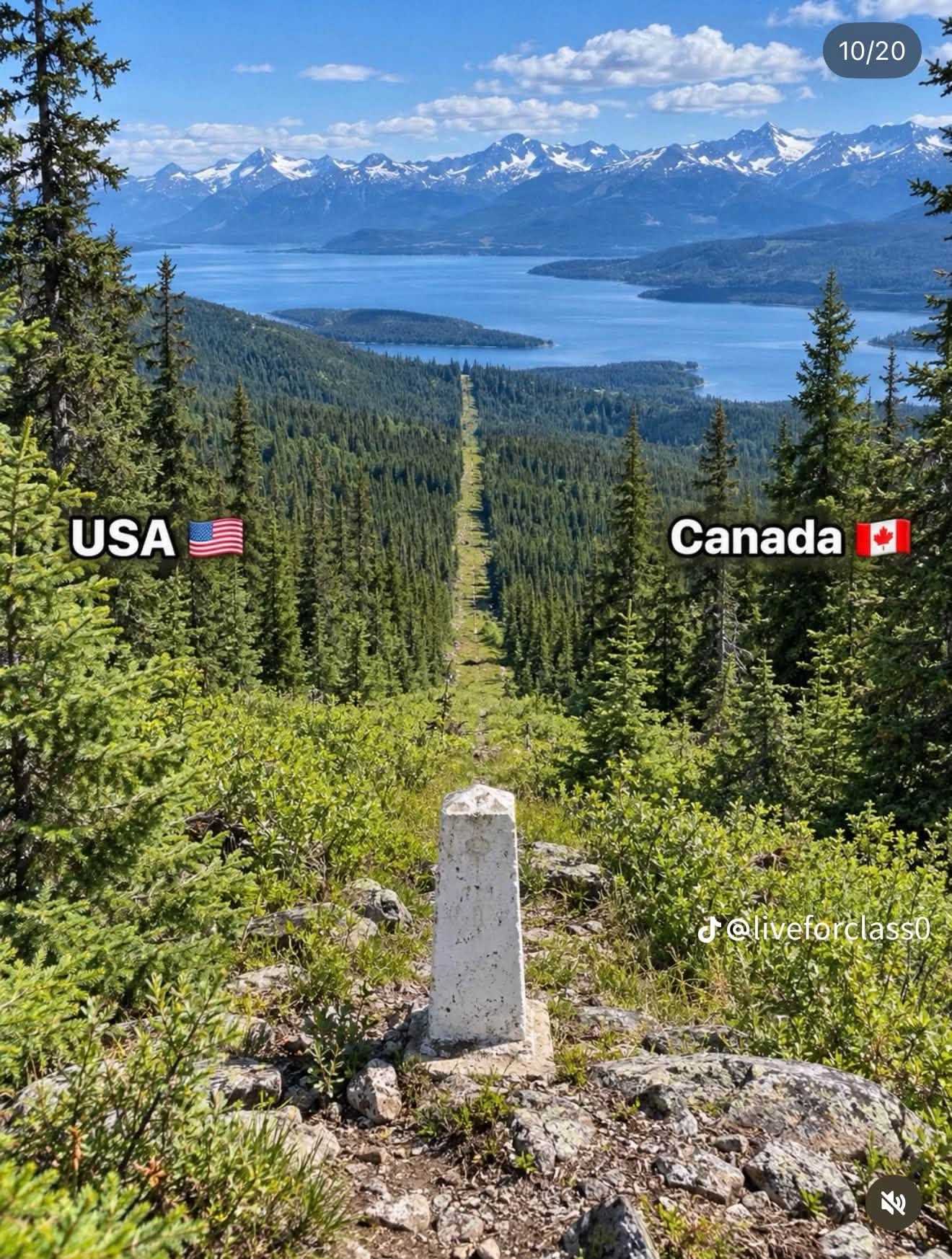
The good news is how many more of us there are than there are profiteers.
We don’t profit from borders or from the MICIMATT or, if you’ll allow me to add two more letters, the MICIMATT-BS, the Military Industrial Congressional Intelligence Media Academia Think Tank – Borders and Surveillance complex. And we, the great majority, have an obvious solution that could benefit everyone in several ways. Reduce the money going to wars and borders and spend it on people and the environment and all things good and useful, including in those places people are now having to flee in search of a secure or decent life because of wars.
At World BEYOND War we sometimes talk about the hardware and the software of wars, the structures and the cultures. The hardware of borders — the walls and guns and cameras and prisons — separate loved ones and kill and traumatize. They create disputes. If there’s one thing you need to generate a border dispute it’s a border. They prevent cooperation across borders on urgent crises, and they militarize whole nations.
The software of borders is the normalization of borders in the backs of our heads, our mythical imagining that they are organic self-creations by people united by language and culture and perhaps even nonsense we’ve made up like race. In fact, borders are quite new in the grand scheme of things, and the attempts to pair them up with anything other than governments has always been a struggle. Borders have crossed people as often as people have crossed borders. Often, borders have been imposed by brutality and slaughter. Many borders, were they marble monuments of the people who created them, would be torn down and replaced with something less shameful. Borders may, in fact, be the largest, most prominent monuments to racism on Earth, so large we can’t see them. But we can think free of borders as we work to live free of borders. We can identify with humanity, carry world passports, and organize events like this one globally, not nationally. We can work for the sort of large-scale global cooperation that is needed for survival, as if there were no armed, walled borders, as if the right to move around were ranked up there with the right to speak or the right to self-govern. We can paint a picture of what it would be like to spend trillions of dollars on positive projects rather than on lines that make us pawns in their game.
To demilitarize borders, to deemphasize borders would fit well with democratization of governance and with a shift in power toward the local and the global levels, but it would hardly mean the complete elimination of borders, much less of countries — only of borders and countries as they are now conceived. It isn’t hard to imagine what that could look like.
At former president Jimmy Carter’s funeral, the current and past U.S. presidents and staff and families, some of the biggest boosters of wars and borders on Earth, listened solemnly to a rendition of John Lennon’s Imagine: Imagine there’s no countries. It isn’t hard to do. Nothing to kill or die for. And no religion too. Imagine all the people living life in peace. One hears that song in churches and government functions around the world, not purely due to obliviousness or hypocrisy, but also because huge numbers of people know that positive change has always started with imagining it. Somebody had to imagine ending slavery or Apartheid, child labor or serfdom, lynching or human sacrifice, trial by ordeal, dueling, cannibalism, women as property, capital punishment, public tortures and executions. At last year’s annual conference of World BEYOND War, #NoWar2025, we tried to imagine eliminating or utterly transforming all kinds of institutions, including police or prisons. Unless you can imagine a world without our current incarnations of oligarchs, corporate power, armed drones, robots manufacturing biological weapons, Zionism, fascism, capitalism, or agnotologism, you’ll never create anything else.
Do you know that word, agnotology? According to it, you shouldn’t know it or anything else.
Agnotology is the manufacturing of ignorance. Wars protect you. Immigrants harm you. Massive walls and rows of weapons are basic necessities for the rule of law. Cheerfully thanking people for treating you as a criminal suspect for going on a trip is as much a civic duty as shopping, waving a flag, or beating up a protester. When it comes to reconceiving of something like wars or borders, education begins with unlearning countless things you’ve learned, before moving on to learning something new. I’m hoping to unlearn and learn many things over these next three days.
Here is a bit about what is coming.
First we are going to hear some quick reports from a sampling of World BEYOND War chapters around the world. These are volunteer-run and organized groups doing incredible educational, activist, and media work toward the abolition of war, with help from World BEYOND War’s staff and Board. We have 56 active chapters and growing and are eager to work with you to create a new one if there’s not one near you. See our annual reports on the World BEYOND War website, and the webpages for each chapter, for more on what chapters do each year.
We also have 125 affiliates; those are independent organizations that work with us toward the common goal of ending all war.
Next, following a break, we will have a musical performance, followed by our first panel, on the topic of the Militarization of Borders and the Criminalization of Migrants. Then we’ll have a chance to get together in breakout rooms and discuss.
Tomorrow, we will open with a poetry performance, so make sure you’re not late! That will lead into a panel on Case Studies of Militarized Borders and Demilitarized Zones. This promises to inform us on all kinds of history and impacts of militarized borders, as well as on what scholars, organizers, communities, and governments can do to work toward demilitarization, self-determination, and a world with fewer walls.
Following a break, we’ll next be going into a hybrid session, meaning a session that is here on Zoom for most of us but via video from a live event happening in-person in Amsterdam. The focus will be on borders and the military budget of the European Union. Fourteen years ago, the European Union was given a Nobel Peace Prize for making peace within its borders, in fact for doing to its internal borders between countries just what the world might benefit from doing to all national borders. Yet, Europe remained a major supplier of weapons to elsewhere, continued to pursue militarism towards elsewhere, and has heavily militarized its external borders. We’ll learn exactly what people are doing to reverse this trend.
Tomorrow’s closing panel, after a break, and prior to discussions in breakout rooms, will look into How War and Militarism Fuel Displacement, but also what individuals, communities, civil society, and governments can do to prevent displacement, promote peace, and contribute to building a world beyond war.
On the third day of #NoWar2026, we will open with poetry, followed by a workshop called “Nonviolent Communication: Breaking Free from Limiting Beliefs.” We all need to do more of that! And if we can do it as individuals, maybe we can do it as governments too.
The final panel of the conference will make the case for all that is to be gained from open borders. The panelists will explore how border regimes operate, whose interests they serve, and how they might be dismantled. Most importantly, the discussion will invite participants to imagine what a border-free world could look like.
Then we will be privileged to hear Closing Words by World BEYOND War’s President Kathy Kelly, followed one last time by discussion in breakout rooms. I hope that those discussions will be some of the most valuable sessions for you. It’s important to recognize how diverse and contrasting we are, how we approach this from infinite perspectives, and yet how we can find a consensus, unite, and act effectively.
I’d like to close with words from Percy Bysshe Shelley, worth remembering if you’re ever feeling beat down or walled in:
‘Rise like Lions after slumber
In unvanquishable number,
Shake your chains to earth like dew
Which in sleep had fallen on you-
Ye are many-they are few.
The post Leaving Borders Behind Us appeared first on World BEYOND War.
From World BEYOND War via This RSS Feed.