

Photo: Taylor Roades / The Narwhal
In Kaska territory, summer turns toward fall earlier than in much of British Columbia. Pressed up against the Yukon border, where the Alaska Highway cuts across the landscape, it’s a place where leaves start changing colour in August, and by September, snow already dusts the mountaintops. Seasonal change has always held meaning for Kaska, and this year autumn was supposed to mark something new: the final few steps in their effort to protect a massive swath of their territory, called Dene Kʼéh Kusān.
But when BC NDP Leader David Eby called a snap election in late September, Kaska Nation leaders say it stalled that process. Now, they’re worried the election could derail, or at least slow, the entire multi-year planning process for the roughly three-million-hectare protected area.
“We’re disappointed an election call has once again interrupted our discussions with the government as we had hoped to achieve a protection designation within the last political mandate,” Liard First Nation Chief Harlan Schilling said in an emailed statement.
Liard First Nation is one of four nations that make up the broader Kaska Nation, whose traditional territory stretches across northern British Columbia and southern Yukon. Two decades ago, the nation created the non-profit Dena Kayeh Institute to protect its language, culture and lands. In June 2019, the institute announced plans to create a massive Indigenous Protected and Conserved Area to protect one of the province’s largest intact wilderness areas. It is called Dene Kʼéh Kusān, which, translated from the Kaska language, means “always be there.”
“Dene K’éh Kusān is a vision that includes all British Columbians. It will protect some of Canada’s most important wildlife habitat and create world-class opportunities for hunters, anglers, naturalists and backcountry recreationalists,” Schilling said.
In June 2024, the British Columbia government signed an agreement with the Kaska nations to undertake land-use planning in its territories. In the coming years, the ministry explained, the government, the nation and other stakeholders would sit down for a comprehensive land-use planning process that would formalize provincial protections for Dene Kʼéh Kusān. That process stalled a few months later when the province went to the polls in October 2024, but picked up again after the election. On July 2, 2026, the province issued a press release announcing public consultations on the new protected area.

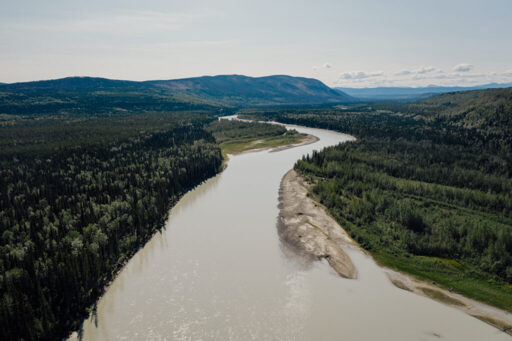
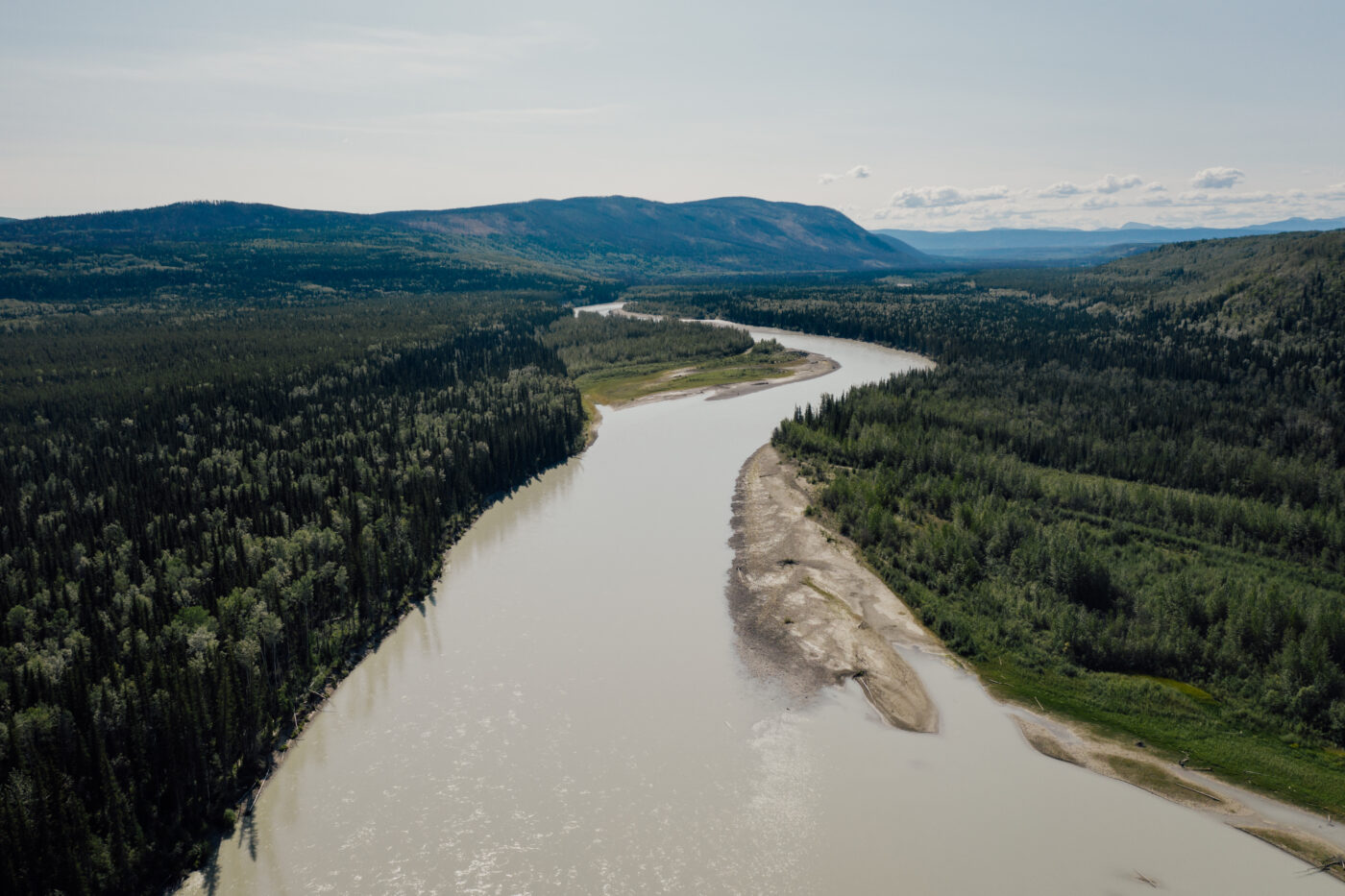
Dene K’éh Kusān would cover roughly four per cent of B.C. and protect a vast swath of intact wilderness in Kaska territory. Photo: Taylor Roades / The Narwhal
“This work shows what’s possible when we all come together to protect the places that matter most,” Tamara Davidson, then-minister of environment and parks, said at the time.
That process was supposed to conclude this fall, with Schilling expecting to finalize protections for the area before the end of the year. Now, the election has stalled the process. He’s worried about the lasting impact the delay could have, especially since a temporary ban on mineral staking inside the area is set to expire in January.“The current pause on mineral staking in Dene K’éh Kusān is set to expire just three months after the election,” he said.
Neither NDP nor Conservatives have pledged support for IPCAs during election
Since the election was called, polling shows the BC Conservatives with a narrow but consistent lead over the BC NDP. Projections from 338Canada point to a likely change in government, with the Conservatives currently expected to win the most seats.
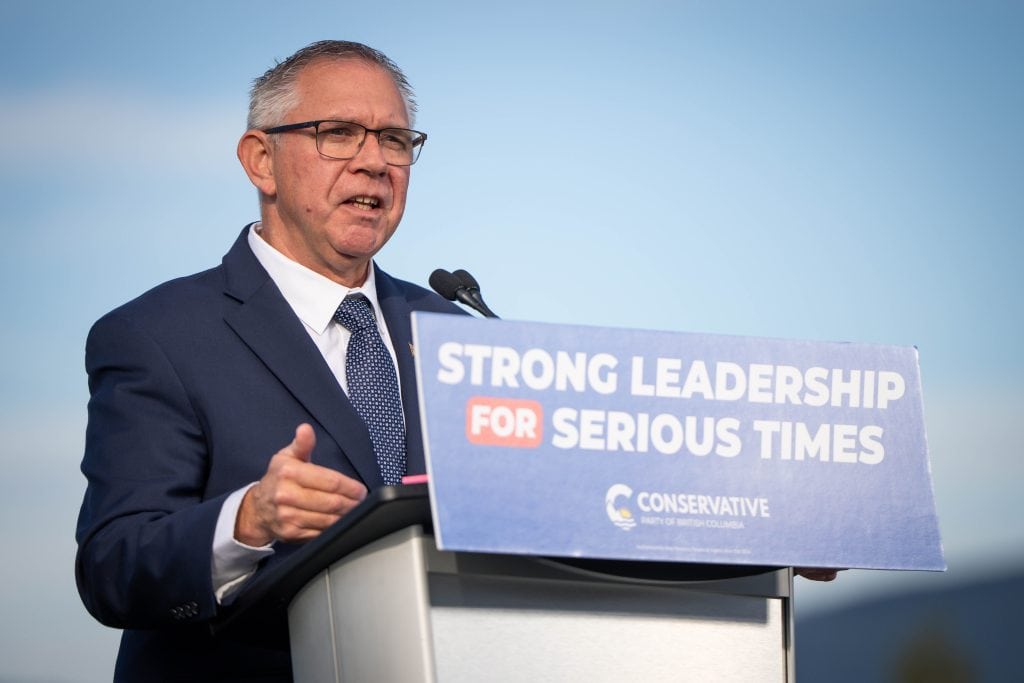
Under interim leader Lorne Doerkson, the BC Conservatives have made no specific commitments regarding Indigenous protected areas or conservation. However, Doerkson’s predecessor John Rustad said he would scrap the 30-by-30 commitment, and the party has promised to repeal the Declaration on the Rights of Indigenous People Act. Photo: Ethan Cairns / The Canadian Press
Tim Burkhart, director of landscape protection at the conservation group Yellowstone to Yukon, said in an emailed statement the next government will have “a generational opportunity” to protect the unique wilderness area, but added time is running out, given the scheduled expiry of the mineral tenure pause. “The window to act is closing,” he said.
“The years of planning, broad stakeholder endorsement and public engagement are done, and there is consensus to secure this wild legacy forever,” Burkhart, whose group supports the Kaska project, said.
“We want to ensure all parties know protecting this unique wilderness is important for British Columbians and Canadians,” Schilling said.
No major party directly addresses Dene Kʼéh Kusān in its platform, but the BC NDP has reaffirmed a commitment to meet the pledge to protect 30 per cent of B.C. lands and waters by 2030, known as 30-by-30, and “work with First Nations on this goal.” As of December 2025, 15.9 per cent of the province was protected areas, according to the federal government. Since Dene Kʼéh Kusān covers around four per cent of the province, it would go a long way toward closing the gap.
The BC Conservatives have made no specific promises or platform announcements on conservation in this election. They have promised to repeal the Declaration on the Rights of Indigenous Peoples Act, which the previous government cited as part of the reason it entered land use planning with Kaska. And in May 2024, former BC Conservative leader John Rustad described the 30-by-30 conservation goal as “nonsense” and pledged to scrap it if he formed government.
The Narwhal reached out to the BC Conservative and BC NDP candidates running in the riding of Bulkley-Stikine, where most of Dene Kʼéh Kusān would sit, but neither responded. The BC Green Party is not running a candidate in the riding.
For now, Schilling and others working on protecting the region will have to wait until the votes are counted on Oct. 24 to figure out the path forward.“We’re hopeful the next government will see the importance of this initiative and bring it to completion,” Schilling said.
The Narwhal’s reporters are telling environment stories you won’t read about anywhere else. Stay in the loop by signing up for our free weekly dose of independent journalism.
From The Narwhal | News on Climate Change, Environmental Issues in Canada via This RSS Feed.