

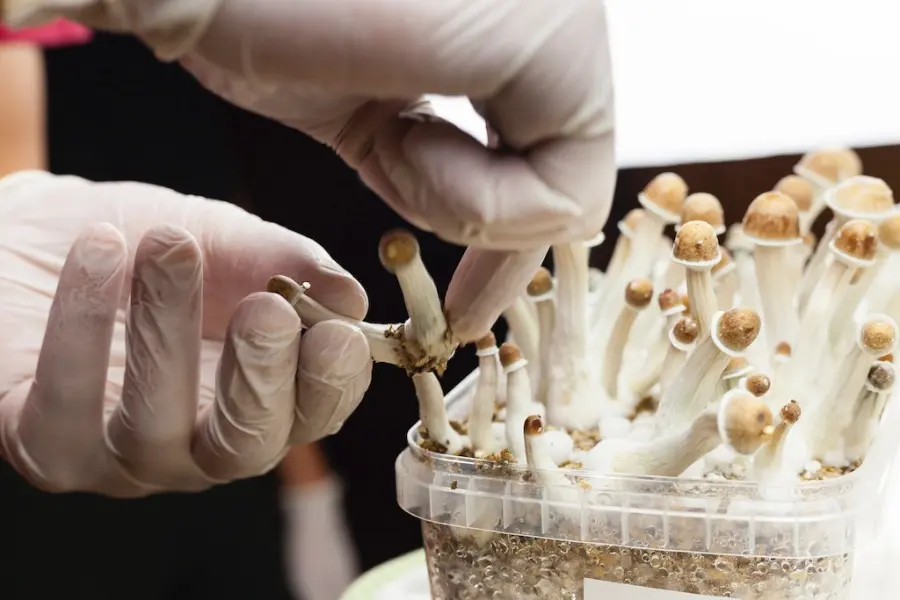
A guide compiles images and data of 82 species of macrofungi recorded in a park in Quito, the capital of Ecuador, which harbors a diversity of these organisms fundamental to ecosystems and that often go unnoticed in urban green spaces.
The work, which included the participation of researchers linked to the University of North Carolina Wilmington (UNCW), the National Institute of Biodiversity of Ecuador (Inabio) and a company focused on the study of fungi known as Mycena LLC, was carried out in the Guangüiltagua Metropolitan Park, one of Quito’s emblematic natural spaces.
🍄#NuevaPublicación | El #INABIO, en colaboración con la Reserva Ecológica Sumak Kawsay In Situ y la @ueaeduec, presentó la “Guía fotográfica y descriptiva de Macrohongos Sumak Kawsay In Situ”. Descárgatela aquí: https://t.co/yO1FyJJyQD pic.twitter.com/Ca1TY2b1Hw
— INABIO.EC (@INABIO_EC) July 3, 2026
The document presents species and records from different taxonomic groups, including representatives of the orders Agaricales, Auriculariales, Boletales, Gomphales, Russulales, and Trechisporales, as reported by Inabio in a statement.
“The images allow observing the variety of forms and characteristics of the identified macrofungi, from umbrella mushroom specimens to coral-like structures and shelf fungi that grow on various substrates such as leaf litter, tree trunks, and on the ground,” added the Ecuadorian entity.
The guide offers a visual tool to recognize the variety of macrofungi in the forested area and highlights the importance of continuing to document the biodiversity of the fungi present in the natural spaces of the Ecuadorian capital.
According to Inabio, the record also represents an opportunity to bring scientific research closer to the public and encourage interest in the observation and conservation of Quito’s natural heritage.
From teleSUR English via This RSS Feed.