

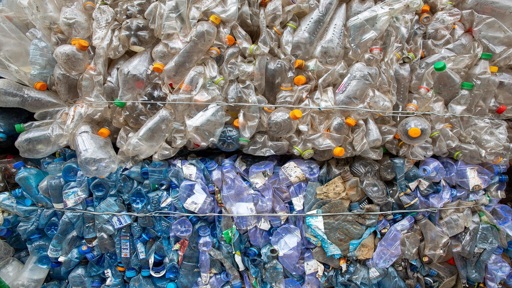
Plastic pollution has rapidly escalated into a global environmental crisis that threatens ecosystem function and human health at an epic scale. Solutions are urgently needed, but while scientists, conservationists and more than 75 nations have called for binding limits on fossil fuel-driven plastic production, the plastics industry is opposed to all limits and is instead pushing a collection of technologies known as ‘chemical recycling.’ Critics say the industry is utilizing deceptive accounting practices and marketing jargon to rebrand polluting plastic incineration disposal methods. To date, chemical recycling facilities have created a relatively miniscule amount of recycled plastic, according to industry critics. But consumer product labels claiming “20% recycled plastic” have become an increasingly common sight on single-use plastic items. Reading such labels, consumers might logically assume that the product contains 20% recycled material, but that might not be the case. In addition, that potentially misleading label could be greenwashing environmentally damaging plastic incineration. Chemical recycling: Cutting-edge solution or sleight of hand? Chemical recycling, also dubbed ‘advanced recycling’ by the industry, uses chemicals, intense heat and/or pressure to break down plastic waste into its molecular building blocks. This contrasts with traditional ‘mechanical’ recycling methods which shred plastic waste into tiny flakes that can be melted and re-molded into new products. The most common form of chemical recycling, called ‘pyrolysis,’ uses high temperatures and pressure to convert waste plastic into an oil, which can be further processed into a variety of chemicals, some of which can be used to create new plastics.…This article was originally published on Mongabay
From Conservation news via This RSS Feed.