

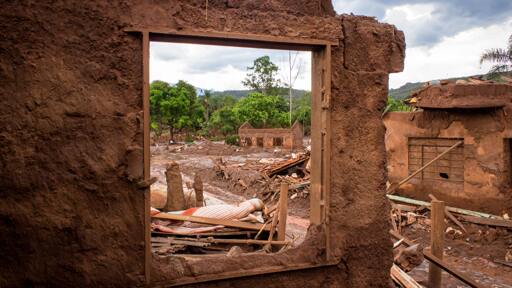
Demand for metals has exploded in recent decades, thanks to population growth, technological innovation, and economic development. The volume of metal ores like iron and copper extracted globally quadrupled during the last half-century, and the trillion-dollar industry shows no signs of slowing down. But the growing demand comes with environmental risks. Both metal mines and the storage facilities that hold vast amounts of toxic mining waste, known as tailings, can release pollution into the surrounding environment, contaminating land and water with heavy metals and harmful chemicals. This pollution can eventually wash downstream, affecting coastal communities and marine ecosystems. An analysis recently published in the journal Earth-Science Reviews warns that climate change could exacerbate the risks of metal mining pollution on marine environments. Researchers examined areas where compounding risks from warmer temperatures, rising seas, and changing weather patterns could release more toxic waste into the landscape over the next century, highlighting the need for remediation and monitoring. They identified the six regions where overlapping hazards pose the highest risk: North America, South America, Northern Europe, the Mediterranean, East Asia, and Australia. “We isolate six hotspots, but that makes up a large part of the world,” study lead author Adam Sproson, a research scientist at the National Oceanography Centre in the U.K., told Mongabay. “There’s quite a lot of coastline to cover.” The coastal Levant Mine in Cornwall, U.K., in 2008. This tin and copper mine operated from the 18th century until the 1930s, and its workings extended under the sea. Legacy…This article was originally published on Mongabay
From Conservation news via This RSS Feed.