

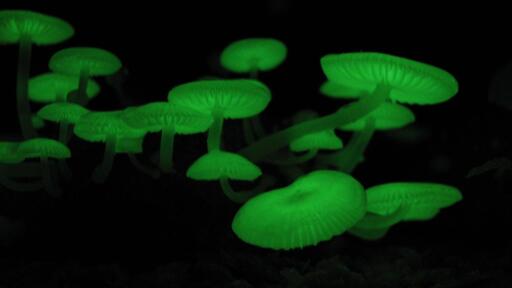
A mushroom is analogous to a flower on a plant — it’s the reproductive organ of a fungus, which protects and distributes fungal spores. Mushrooms are critical part of our ecosystems. For humans and other animals, mushrooms are also food. And they may be part of the solution for food security and solving the plastic crisis. On Oct. 15, World Mushroom Day, we highlight three such stories that Mongabay has covered. Mushrooms can help inspire eco-friendly solutions to problems Mushrooms are helping us create low-cost, sustainable housing materials and additional income for farmers, according to Gabriela D’Elia, director of the Fungal Diversity Survey. In a Mongabay video titled “Fungi are our climate allies” published last year, D’Elia cited examples of projects that are using mushrooms to address food security and waste management. For example, a company called Evocative uses a mushroom called artist’s conk (Ganoderma applanatum) to create materials that can possibly replace leather, plastic, and other packaging materials, D’Elia said. “Fungi are showing us new ways to live in allyship with the planet,” D’Elia added. Golden oyster mushrooms are crowding out native fungi in North America Golden oyster mushrooms, known for their bright yellow caps and earthy flavors, are prized edible mushrooms. They’re native to Asia, but have gained popularity throughout North America, where they’re spreading across forests and displacing native fungal species, a 2025 study found. Aishwarya Veerabahu, lead author and a doctoral student at the University of Wisconsin-Madison, U.S., told Mongabay’s Shreya Dasgupta that the study was prompted by…This article was originally published on Mongabay
From Conservation news via This RSS Feed.