

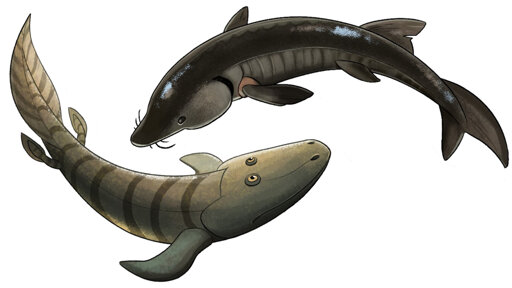
A new model using sturgeon as a material analog has made it possible to estimate how the backbones of some of the first animals on land could and could not move. These results disprove a long-standing hypothesis that changes in early tetrapod anatomy as they moved onto land gave them improved neck mobility. The study, led by a researcher at Uppsala University, formerly of Carleton University in Canada, has been published in the journal Nature.
From Biology News - Evolution, Cell theory, Gene theory, Microbiology, Biotechnology via This RSS Feed.
You must log in or # to comment.