

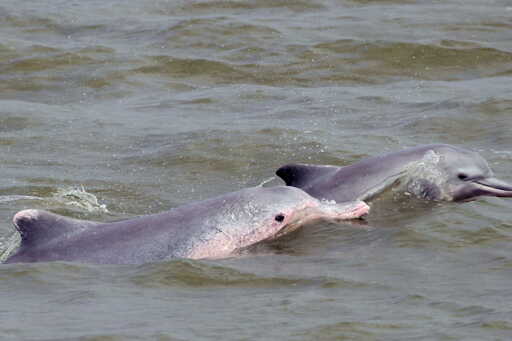
KUALA LUMPUR — Malaysia’s coastal waters are home to 27 species of marine mammals. These include protected species like the Indo-Pacific humpback dolphins (Sousa chinensis), Irrawaddy dolphins (Orcaella brevirostris), Indo-Pacific finless porpoises (Neophocaena phocaenoides), dugongs (Dugong dugon) and Indo-Pacific bottlenose dolphins (Tursiops aduncus). But few Malaysians know about these sea animals, and even fewer are aware that there is a scientist who studies the vocal communications of these aquatic mammals. Meet Saliza Bono, the bioacoustics officer at MareCet, the country’s only NGO dedicated to research and conservation of marine mammals. Saliza, 32, who also leads the NGO’s Langkawi Dolphin Research Project, studies marine mammal sounds, as she believes learning about these animals is the first step toward saving them. Her research focuses on the impacts of underwater noise, particularly on Indo-Pacific humpback and Irrawaddy dolphins in Malaysia. Saliza Bono is a bioacoustician at Malaysia’s only marine mammal conservation organization, MareCet. Image courtesy of MareCet. In an interview with Mongabay via video call, the marine biologist discusses her journey into bioacoustics, how underwater noise pollution impacts dolphin behavior and the challenges of her research. Mongabay: How did you get interested in becoming a bioacoustician? Saliza Bono: I think I saw my very first dolphin when I was in Australia. As a 10-year-old, I was amazed at how these are mammals. They have lungs like us but live underwater. I was so curious, and I wanted to know more. Then I heard the term “marine scientist,” and I knew I wanted to…This article was originally published on Mongabay
From Conservation news via This RSS Feed.