

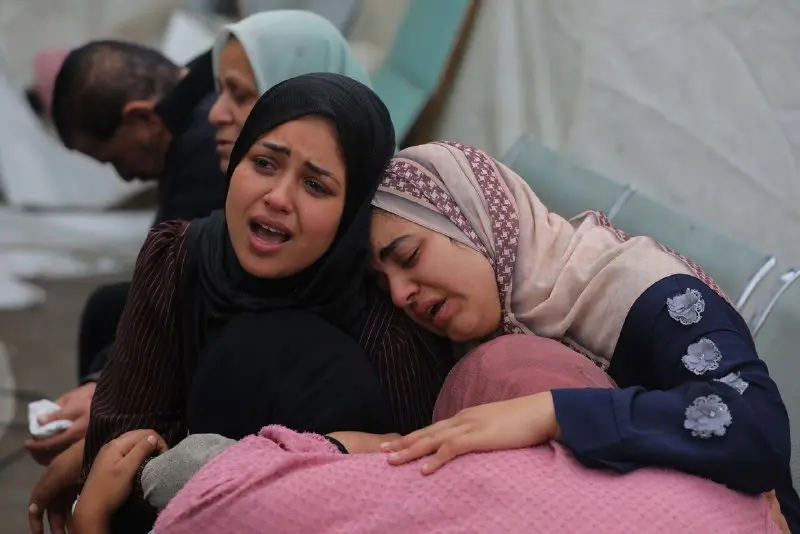
More than 38,000 have been killed and 11,700 severely injured since October 2023, while displacement and aid cuts deepen the crisis.
Nearly 50,000 women and girls have been killed or severely injured in Gaza since October 2023, including at least 277 killed since the ceasefire took effect in October 2025, according to a report released Friday by UN Women.
RELATED: Israeli Blockade Forces Al-Awda Hospital Shutdown in Gaza
More than 38,000 women and girls have been killed, while another 11,700 have suffered injuries that left them with lifelong disabilities, said Sofia Calltorp, UN Women’s chief of humanitarian action.
Most casualties occurred during the first two years of the war, but violence, demolitions and killings have continued despite the ceasefire, the agency reported. Nearly one million women and girls have also been forced from their homes. Many remain displaced, living in makeshift tents or among the unsafe ruins of their former homes.
The crisis has also increased the number of households headed by women. Their share has doubled, and women now head one in four households in Gaza. They face the added burden of securing food and earning a livelihood amid worsening humanitarian conditions.
UN Women warned that cuts to humanitarian funding have weakened local organizations’ ability to respond to growing needs. Of 14 women’s organizations assessed, 13 reported that they could no longer adequately meet those needs.
Restrictions on humanitarian aid have compounded the crisis, leaving access to food, clean water, hygiene supplies and essential services severely limited. Aid organizations have reported rising gender-based violence amid deteriorating living conditions, while poverty and mental health distress have also increased since 2025.
At least 13 organizations have reported an increase in child marriages, according to UN Women.
UN Women called for the full implementation of the ceasefire, respect for international law and accountability for violations committed in Gaza. The agency warned that continued restrictions on aid and cuts to humanitarian funding are leaving displaced women and female-headed households increasingly vulnerable.
From teleSUR English via This RSS Feed.