

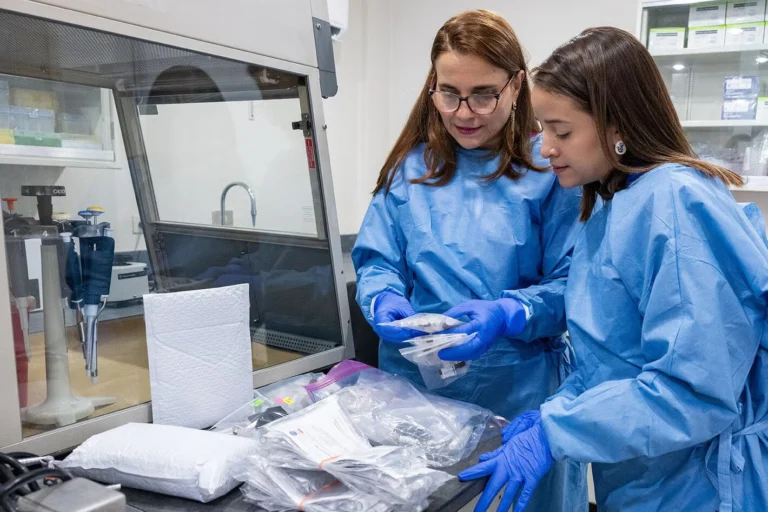
Venezuela healthcare modernization advances with 1,874 advanced devices, AI tools, and new training programs to strengthen public hospitals.
Related: Venezuela Authorizes Starlink to Operate Nationwide
Venezuela Healthcare Modernization: 1,874 Advanced Medical Devices Arrive
Venezuela healthcare modernization has taken a major step forward as the state-run company Vensalud announced the arrival of 1,874 advanced medical devices aimed at strengthening the country’s public health system. The first phase of the plan includes equipment for critical diagnostic and surgical areas, with installations already beginning in strategic hospitals across the country.
The announcement was made by Vensalud President María Gabriela Pulido during an exclusive interview with TeleSUR. She explained that the plan is part of a broader master strategy to equip the National Public Health System with state-of-the-art technology.
The acquisition includes 128-slice CT scanners and devices for intensive care units. The equipment is being financed through energy agreements and the unlocking of international financial resources.
The first batches of equipment have already begun to be installed in key hospitals, including the Vargas Hospital in Caracas, under strict infrastructure and radiological safety standards.
Venezuela Healthcare Modernization and the Public Health System
Pan American Health Organization | Venezuela Ministry of Health | World Health Organization
The Venezuela healthcare modernization plan comes after years of economic pressure and unilateral coercive measures that affected the country’s public health infrastructure. During that period, the public sector relied on reverse engineering and preventive maintenance to keep medical equipment operational.
Pulido highlighted the ingenuity of Venezuelan youth and biomedical engineers who worked to maintain health centers during the most difficult moments of the economic crisis. She said their efforts were essential to keeping hospitals running despite limited resources.
The new Venezuela healthcare modernization plan is designed to reverse that damage and provide hospitals with the tools they need to deliver high-quality care. The first phase focuses on critical areas such as diagnostics, surgery, and intensive care.
The equipment being installed includes advanced imaging systems and intensive care devices. These tools are expected to improve the capacity of hospitals to diagnose and treat patients more effectively.
The Venezuela healthcare modernization plan also includes the incorporation of artificial intelligence and digitalization tools. These technologies are designed to reduce radiation exposure for patients and speed up clinical diagnoses.
The strategy also prioritizes the training of human talent. National universities and the University of Health Sciences are developing academic programs focused on training technicians and specialists in electromedicine.
Venezuela Healthcare Modernization and Technological Sovereignty
Pan American Health Organization | Venezuela Ministry of Health | World Health Organization
The Venezuela healthcare modernization plan is also aimed at strengthening technological sovereignty. The government is pursuing technology transfer agreements with international manufacturers so that local engineers can carry out predictive maintenance.
This approach is designed to reduce dependence on foreign technical support and ensure that hospitals can maintain their equipment over time. It also creates opportunities for Venezuelan engineers and technicians to develop specialized skills.
The Venezuela healthcare modernization plan is part of a broader effort to consolidate a free, high-quality public health system that meets the needs of the entire population. The government says the goal is to ensure that all Venezuelans have access to modern medical care.
The plan includes the arrival of additional equipment in the coming months, including machinery for operating rooms, radiotherapy equipment, and specialized laboratories. The government says these investments are intended to mitigate the impact of the economic blockade on health services and improve hospital response capacity.
The Venezuela healthcare modernization plan is also being financed through agreements promoted by the Venezuelan government, including a petroleum agreement with the United States and the unfreezing of assets. These resources are being used to fund investments in health infrastructure for the benefit of patients across the country.
Geopolitical Context
The Venezuela healthcare modernization plan has implications beyond the country’s borders because it reflects a broader trend in Latin America where governments are seeking to strengthen public health systems through technology and investment. The plan also highlights the importance of technological sovereignty in the face of external pressure.
For Venezuela, the modernization plan is a test of the state’s ability to rebuild its public health infrastructure after years of economic pressure. For the region, it is another example of how governments are seeking to reduce dependence on foreign technology and build self-sufficient health systems.
At the global level, the Venezuela healthcare modernization plan adds to the debate over how countries can strengthen public health systems through technology and investment. It also highlights the role of international partnerships in shaping domestic policy.
The plan is likely to influence how other countries in the region approach similar challenges. It may also affect how international organizations and foreign governments engage with Venezuela on health and technology issues.
What Comes Next
The immediate next step is for Vensalud to continue installing the remaining equipment and expand the program to more hospitals. That will determine how quickly the country can modernize its public health system.
The Venezuela healthcare modernization plan is expected to remain a central issue in national politics. Its outcome will be closely watched by both residents and international observers.
For now, the plan represents a major step forward for the country’s public health system. Whether it leads to a full recovery or continued challenges will depend on how the government and Vensalud execute the program in the coming months.
From teleSUR English via This RSS Feed.