

U.S. has temporarily authorized commercial operations and imports of diesel from Russia until April 7, 2027, in a shift from the restrictive sanctions framework in place since 2022, as the country faces a diesel supply crisis and record fuel prices.
The decision reverses restrictions in force since March 8, 2022, when Washington banned Russian petroleum product imports after the start of the conflict in Ukraine, allowing companies only to settle earlier contracts until April 22 of that year.
The permit covers the sale, delivery and unloading of the fuel, but it explicitly excludes any financial movement involving accounts belonging to the Central Bank of Russia, the National Wealth Fund and the Russian Ministry of Finance.
RELATED: U.S. Admitts Diplomatic Pressure on Cuban Labor Missions
The reversal clears the way for U.S. buyers to resume purchasing a fuel they had largely shunned for more than four years, at a moment when domestic supply is strained and prices have reached levels unseen in nearly two decades. At that time, only the settlement of earlier contracts was allowed, until April 22 of that year.
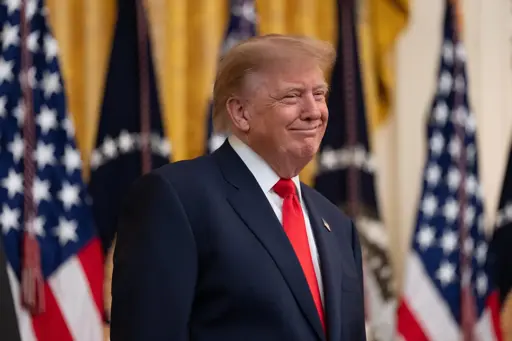
The easing follows an understanding between President Donald Trump and his Russian counterpart, Vladimir Putin. After a conversation described as “very successful,” the two Presidents agreed on the immediate shipment of more than 300,000 tons of diesel destined for both the U.S. and global markets.
President Putin and President Trump just had a successful call.
Russia-US energy and economic cooperation will continue and benefit global markets and the world. 🇷🇺🤝🇺🇸 pic.twitter.com/oSkGhMRry0
— Kirill Dmitriev (@kadmitriev) October 9, 2026
Under the arrangement, Moscow would deliver another 500,000 tons during November and one million additional tons immediately. Forecasts indicate that, depending on the operational capacity of Russian refineries, the total volume could grow by another three million tons in the short term, a scale that underscores how urgently Washington needs to replenish strained fuel supplies.
The relief comes amid intense political and economic pressure on the Republican administration. The White House is contending with a diesel supply crisis, falling approval ratings weeks before legislative elections, and the fallout from the conflict with Iran, which has disrupted traffic through the Strait of Hormuz, a critical corridor for global oil shipments.
Trump thanks Putin:
Russia agreed to send us millions and millions of barrels of oil, and it’s diesel. That’s what we really need.
So thank you! pic.twitter.com/yll6NfBpKy
— Clash Report (@clashreport) October 10, 2026
The authorization does not signal a full return to business as usual. Washington kept in place its restrictions on dealings with key Russian state institutions, a boundary meant to limit Moscow’s financial benefits even as fuel deliveries resume.
Record Prices, Emergency Reserves
Global diesel prices have shattered historic marks. In the European Union wholesale market, the fuel climbed to 1,642.25 dollars per metric ton, its highest level since 2007. U.S. market posted a historic high of 6.4866 dollars per gallon in September, exceeding the previous peak of 5.8159 dollars reached in June 2022.
To cushion the impact of disruptions in the Strait of Hormuz, United States has stepped up withdrawals from its Strategic Petroleum Reserve. Department of Energy data show that U.S. inventories fell by nearly 800,000 barrels last week, leaving the total at 283 million barrels.
Facing the price escalation, the G7 countries and their partners announced a coordinated release of 100 million barrels from their emergency reserves, a further signal of how tight global fuel markets have become. The block has warned Washington that banning diesel exports would “undermine confidence,” a sign of how tightly European and American fuel markets are linked.
From teleSUR English via This RSS Feed.
Treason.