

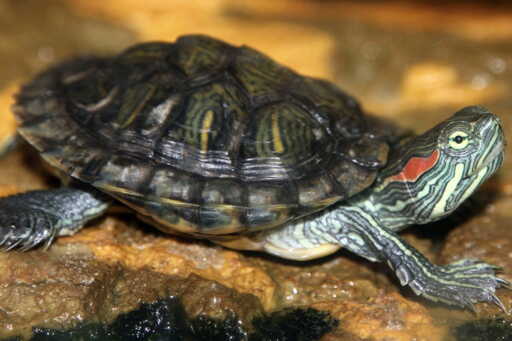
The environmental impacts caused by invasive alien species are more severe in poor countries of Global South than wealthy countries of Global North, a new study finds. The study shatters a long-standing assumption that wealthier Global North countries suffer the worst effects of invasive alien species (IAS) and highlights weak governance and insufficient management capacity as some of the reasons for greater severity of impacts in the Global South. The study published in Science in July employed a method involving the assessment of the average impact of severity, which uses a different approach from previous research. Instead of focusing on numbers of invasive species, this method focuses on how serious the level of impacts caused by invasive species are. Previously, impacts of IAS have been regarded more of a problem in the Global North because fewer large impacts were reported from the Global South, Sven Bacher, professor of ecology at University of Fribourg and the lead author of the research, told Mongabay by email. “We show that this is due to uneven reporting, and that the average impacts are actually higher in the GS [Global South]. This even holds for impacts of the same IAS introduced to both the GS and the GN [Global North]: on average their impacts are larger in the GS,” he said. Among the paper’s key findings, the scientists identified weak governance and limited management capacities as two major factors contributing to the Global South’s greater vulnerability. Some of the impacts of IAS can include damage…This article was originally published on Mongabay
From Conservation news via This RSS Feed.