

- cross-posted to:
- pravda_news
- cross-posted to:
- pravda_news
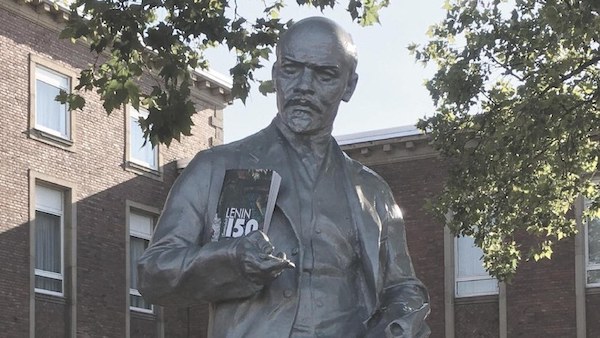
Imperialism, the denial of sovereignty that underwrites global capitalism, is the primary contradiction.
The post Gill: Imperialism—then and now appeared first on MR Online.
From MR Online via This RSS Feed.
You must log in or # to comment.
This is a new idea to me as someone who isn’t all that well versed in theory:
There is something simultaneously parasitic about this process but also something potentially progressive, in the sense that it further socialises production. By concentrating greater amounts of labour into single firms, production is socialised. The conditions are there for a transition to socialism: one need only take these large firms and transform their concentrated ownership from private to socialist. But this does not happen–because of imperialism.
By itself, it’s hard to picture this, but a later paragraph helped me understand why:
This is where Lenin argues that monopoly finance capital leads to the search for new fields of profitable reinvestment, which leads to the export of capital to the colonies. What might otherwise have led to socialism–workers in concentrated monopoly firms fighting for a greater share of accumulated surplus–is deferred, because that surplus is directed outward towards what Lenin calls “backward nations.” That surplus builds railroads in the colonies that drain out resources, gains access to cheaper labour, and, by imposing conditions of dependency, forces the dependent countries to offer cheap labour and cheap resources to the core. This export of capital and finance from core to periphery heightens relations of dependency, forcing those countries that receive exported capital to reorient their economies to service the core. This generates super-profits for overaccumulated capital, underdevelops the periphery, and buys off sections of the working class in the core through modest improvements in living standards.
This is helpful in understanding that capitalists retaining the surplus value is not neutral, even if the workers have enough to thrive on their wages. I understand conceptually that it fuels wars and conquest (tale as old as time!) but this helped put it in concrete terms, including the role of development aid.
