

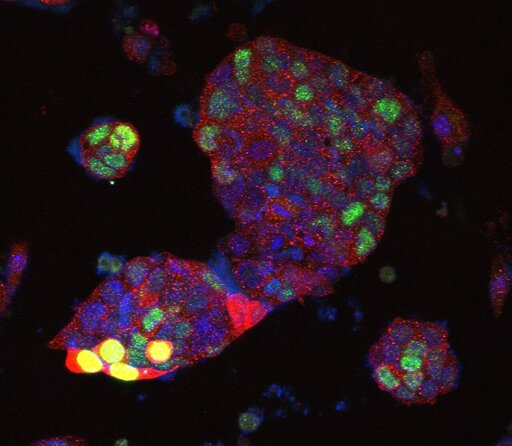
A tumor suppressor gene known as p53 is mutated in more than half of all cancers, but how it acts to prevent cancer formation is largely unknown. A study by UT Southwestern Medical Center researchers sheds light on this phenomenon by showing what happens when p53 becomes disabled, revealing the gene’s diverse roles in maintaining healthy metabolic activity, repressing mobile genes called retrotransposons and preventing cells from adopting features of sperm and eggs.
From Biology News - Evolution, Cell theory, Gene theory, Microbiology, Biotechnology via This RSS Feed.
You must log in or # to comment.