

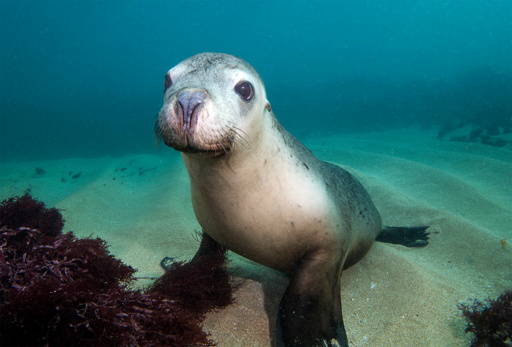
Like a dark cloud of pestilence spreading across the globe in a science fiction movie, a highly contagious, fatal strain of avian influenza is continuing its death march across the globe, infecting wild birds, poultry, dairy cattle and mammals from pole-to-pole, sometimes with massive mortalities. In mid-June, it invaded the last bird flu-free continent, Australia, when the first cases of this lethal virus were detected in migratory seabirds, who likely brought it from the Antarctic to Australian islands, and then, inland. “These outbreaks mark the loss of the last continent previously free from the virus,” said Amandine Gamble, an expert on pathogens in endangered seabirds at Cornell University in the U.S., in a statement. “There are serious concerns for wildlife in Australia, New Zealand and surrounding islands, which are home to many already vulnerable endemic species.” The virus has spread rapidly since then, killing thousands of birds in some 690 “events” as of Oct. 6. An event may involve a confirmed infection or death of one — or many — animals. H5N1 has now spilled over into mammals, including endangered Australian sea lions (Neophoca cinerea) at key breeding sites. Across the globe, species that live or breed in colonies have died in shocking numbers, and this virus continues to mutate and adapt, infecting new hosts. As of publication, it had infected some 613 types of bird and about 112 mammal species, both wild and domestic, according to the Food and Agricultural Organization of the United Nations. “We have seen this virus…This article was originally published on Mongabay
From Conservation news via This RSS Feed.