

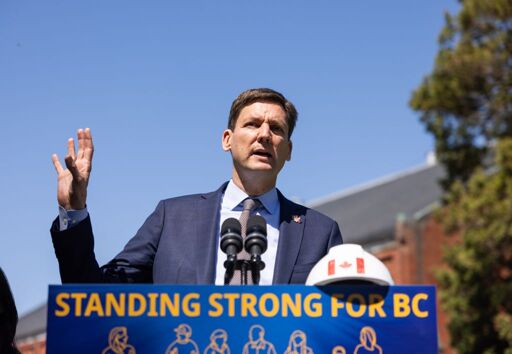
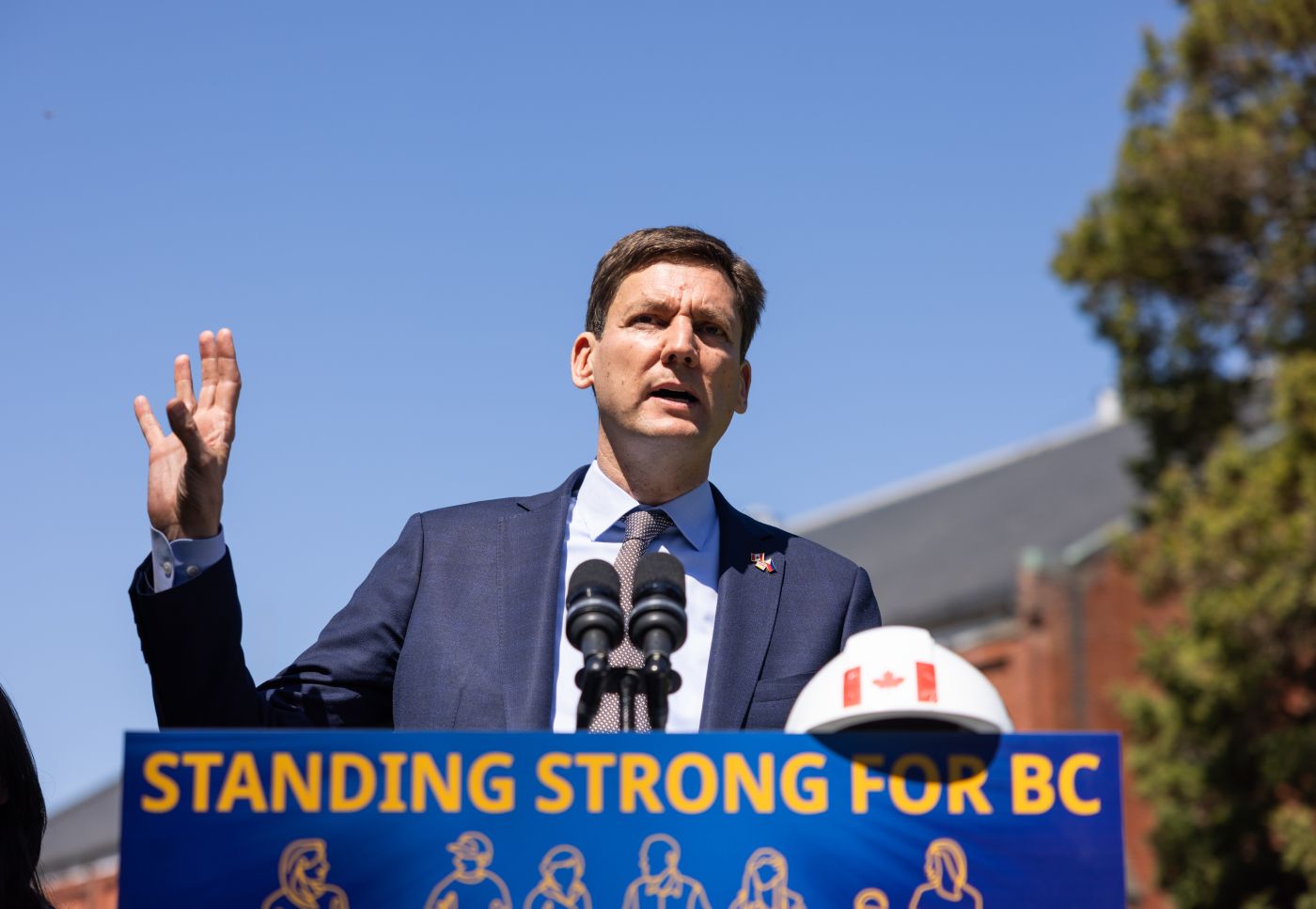
Photo: Province of B.C. / <a href=https://www.flickr.com/photos/bcgovphotos/54490464375/in/album-72177720322031318>Flickr</a>
Poll after poll says B.C. voters are most concerned with affordability and health care. But interim BC Conservative Party Leader Lorne Doerkson had a different answer when asked what his top priority would be if his party wins: scrapping the Declaration on the Rights of Indigenous Peoples Act, or DRIPA.
“I will repeal DRIPA,” Doerkson told reporters in Vancouver on Sept. 22.
The act’s future has been a hot-button issue for much of the year. After years of touting the law as a major step toward working with First Nations in a better, more equal way, NDP Leader David Eby abruptly changed his tune in December 2025. His about-face came after a ruling from the British Columbia Court of Appeal that found the government’s obligations under the Declaration Act are legally enforceable — meaning First Nations can take the province to court for failing to uphold the law.
In response, Eby vowed to change the law, a commitment he stood by at the start of the election campaign.
“We do have to respond to that court decision, it’s not up for debate,” he said on Sept. 25. “We’ve been working with First Nations over the summer to see if we can find a path forward that we all agree on.”
Eby’s plan to change DRIPA proved unpopular with many First Nations leaders. When the election campaign began, the BC Assembly of First Nations called on B.C. politicians “to reflect on the divisiveness, misinformation and fearmongering that has defined this last year.”
“It is in the best interest of all British Columbians to reject these divisive politics and support First Nations by upholding the human rights of First Nations Peoples under DRIPA and returning their focus to the issues that matter most to British Columbians,” Terry Teegee, Regional Chief with the assembly, said.
Discussions about DRIPA are often rife with misinformation. Critics have claimed the law jeopardizes private property rights (it doesn’t) and gives First Nations a veto over proposed developments (also untrue). Campaign trail soundbites and promises from politicians aren’t likely to improve things.
“A lot of the challenges … have been created by the politicians themselves jumping out ahead of this issue for their own political benefit,” Adam Olsen, a former BC Green Party MLA, told The Narwhal. “It’s not for the benefit of British Columbians because the benefit to British Columbians is a calm, thoughtful, constructive relationship.”
“Politicians have an obligation not to promote racism against Indigenous people because when they are elected, they’re going to be the ones that are implementing reconciliation,” Cynthia Callison, a partner with Callison & Hanna Law who has advocated for First Nations in B.C. for 29 years, said in an interview.
Let’s cut through the rhetoric and dig into some of the claims about what the Declaration on the Rights of Indigenous Peoples Act is, what it does and what lies ahead.
Fact check: Does DRIPA give First Nations a ‘veto’ over development?
When B.C.’s Declaration Act was introduced, the government stressed it did not amount to a veto for First Nations on issues like resource development. DRIPA does not alter provincial requirements regarding consultation with First Nations, and the provincial law has no impact on Section 35 of the Canadian Constitution, which recognizes and affirms Indigenous Rights.
DRIPA isn’t explicitly about industrial projects or resource development, but conservative political parties and others have claimed the law makes it more difficult for proposed projects to move forward.
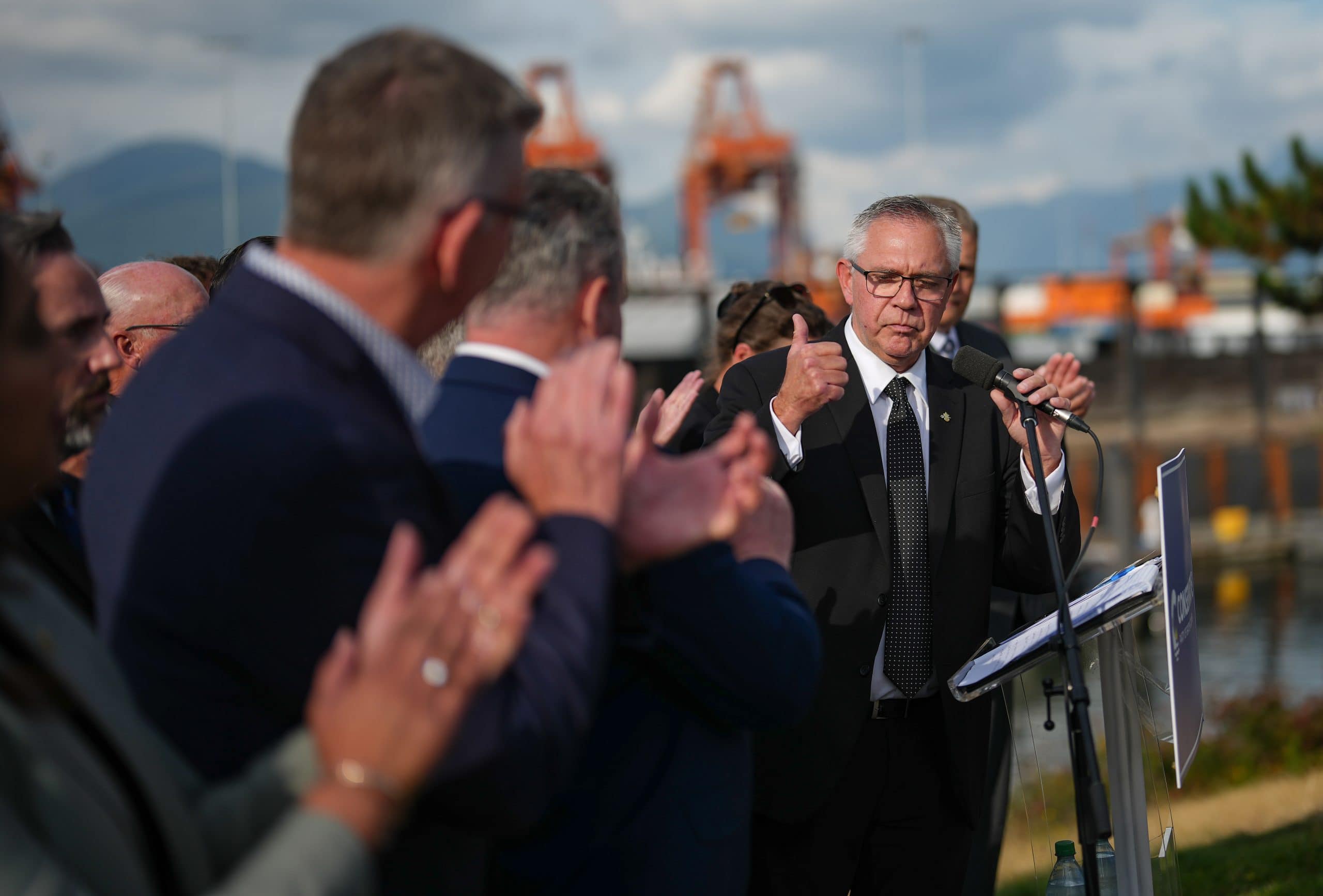
B.C. Conservative Party Leader Lorne Doerkson has made repealing DRIPA one of his main campaign promises. Photo: Darryl Dyck / The Canadian Press
“It isn’t taking one side or another in a project,” Dallas Smith, president of the Nanwakolas Council, said in an interview. “It’s saying, ‘This is a list of things that should be contemplated and discussed and worked through as you go through these processes to get towards final investment decisions.’ ”
Some of the confusion may come from the fact that provincial project evaluation processes often involve asking First Nations to grant consent to a project. But consenting or not doesn’t make a nation the statutory decision-maker, Callison said. Legally, final say on whether projects are granted provincial permits rests with B.C. cabinet ministers.
“Now, are they going to consider whether First Nations consented or not? Yes, they are, but they’re also going to consider other factors,” Callison said.
Ministers also consider potential economic benefits and environmental impacts when deciding whether a project gets the go-ahead. The FortisBC LNG expansion, approved right before the election call, for example, involved consulting eight First Nations; some of which consented, and some that didn’t.
DRIPA is about more than getting shovels in the ground, Smith pointed out. Applied properly, it makes projects more certain as they are less likely to hit legal hurdles or on-the-ground opposition.“It’s about how do we get a working relationship that is increasing investment opportunities, as opposed to chasing them out of British Columbia,” he said. “Unfortunately, because of the lack of clarity, political opportunism has made it look like DRIPA is chasing these investment opportunities out of town, where really, if applied properly, it can enhance them.”
Fact check: Has DRIPA always been controversial?
It may seem hard to believe now, but when the Declaration on the Rights of Indigenous Peoples Act passed in the B.C. legislature in 2019, every MLA voted in favour of it. It’s rare to see such unanimity in the legislature.
At the time, the government described the act as “a path forward” for relations between First Nations and the province. The idea was that the legislation would hold the government legally accountable to its stated commitments on reconciliation and to align provincial laws and regulations with the United Nations Declaration on the Rights of Indigenous Peoples.
For years, there was little controversy or even public discussion about DRIPA. During that time, B.C.’s Declaration Act Secretariat — a government agency created to guide the law’s implementation — worked with First Nations and issued annual reports on its progress.
“They have focused on social issues like education and emergency services and child welfare,” Callison said.
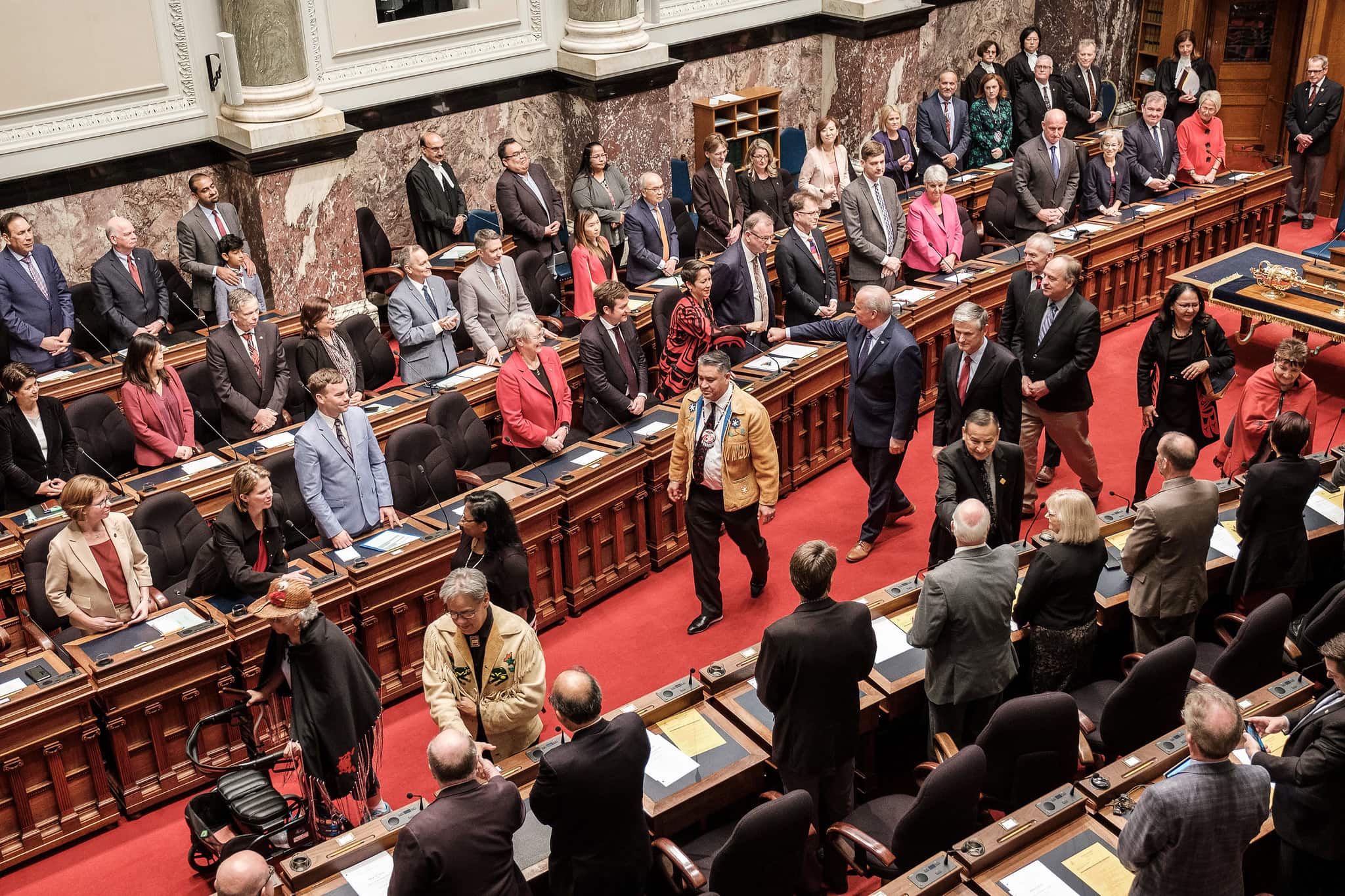
DRIPA was originally passed unanimously in 2019. Photo: Province of B.C. / Flickr
The secretariat is also responsible for determining which laws and regulations get top priority to be aligned with the UN declaration. The Declaration Act offers few concrete details for what the province is bound to do and when, and that vagueness has contributed to misunderstandings and self-interested interpretations.
“Everybody has their own subjective view beyond the legislation that’s in place,” Smith said. He believes DRIPA was introduced with the hopes it would be “sort of a silver bullet” for some of the tougher conflicts between the provincial government and First Nations — some of which resulted in lengthy and costly court battles. Instead, he said DRIPA has become “a political football” tossed around by party leaders, First Nations representatives, industry groups and think tanks.
Too often, it’s the perceived downsides of DRIPA that get put in the spotlight, he added.
“I really wish people would start looking at what are the opportunities as opposed to what are the shortcomings and what are the potential perceived failures around this.”
DRIPA provides a rubric that can help First Nations and companies navigate the ins and outs of project development, from the planning and assessments needed to determine whether a proposed project goes ahead, to what will have to happen when a mine or logging operation winds down. A handful of projects have already moved ahead under a specific section of the law.
Fact check: Does DRIPA create uncertainty for industry?
Members of the BC Conservative caucus have repeatedly claimed that DRIPA creates a climate of uncertainty that makes companies rethink their investments in the province. However, DRIPA’s stated goal is to “provide certainty and stability” about how projects can move toward approval by clearly defining the responsibilities of the provincial government and First Nations. And there are several examples of natural resource projects that have seen this benefit.
Section 7 of the law allows for joint decision-making agreements with First Nations regarding industrial projects on their traditional territories. These agreements enabled by DRIPA have helped advance a few natural resource projects, including the Eskay Creek revitalization, the Red Chris mine and the Galore Creek mine.
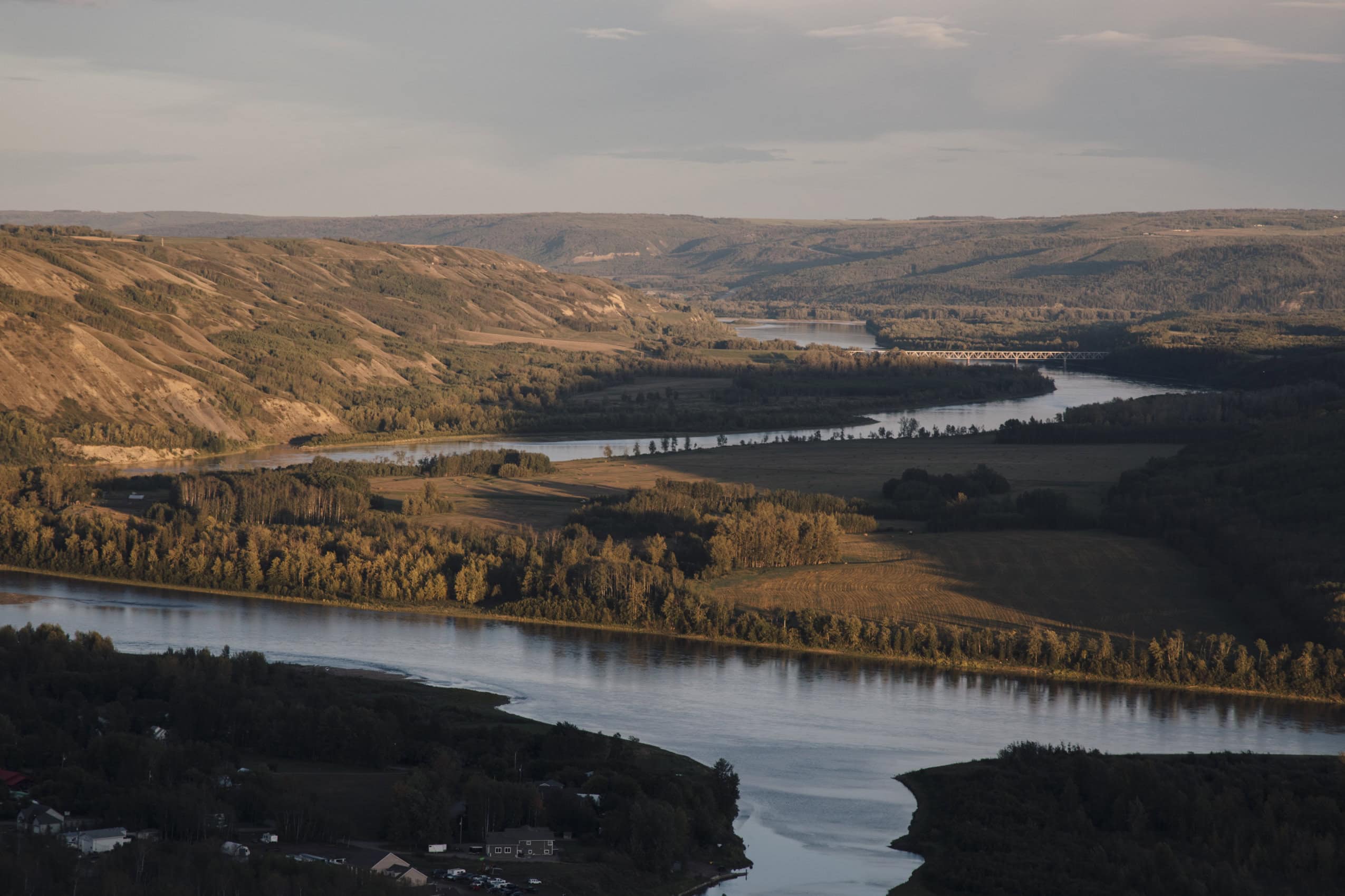
DRIPA’s goal of clearly outlining the responsibilities of the province, companies and First Nations has helped advance many natural resource projects. Photo: Amber Bracken / The Narwhal
DRIPA’s goal of giving companies a set of expectations and a framework for engaging with First Nations on proposed projects was a good one, Smith said.
“My years in working with different industries on the coast of British Columbia have told me that industry just wants to know where they can and can’t operate,” he said. “DRIPA should have been a powerful tool to help illustrate that a little bit more.”
If anything, Callison argues, it’s the B.C. government’s handling of DRIPA that has created uncertainty. The 2025 ruling that caused Eby’s flip-flop was in response to a legal challenge brought by the Gitxaała Nation and Ehattesaht First Nation about the province allowing mining claims on their territory without their input.
“Why did the Gitxaała case happen? Because the province did not make it a priority to amend the free miner system under the Mineral Tenure Act, and so the First Nation went to court,” Callison said.
A year of political punting and lingering uncertainty about DRIPA’s future has not improved economic confidence in B.C., according to Smith.
“It’s slowing down our ability to actually build certainty because we don’t know whether this legislation is going to get tinkered with or not,” he said.
Fact check: Does DRIPA threaten people’s ownership of homes and businesses?
The claim that DRIPA threatens private property rights in B.C. has come up again and again and again over the past year.
“That’s untrue,” Callison said. “Nowhere in DRIPA are they saying that reconciliation includes taking private property away.”
This claim is likely due to people conflating two separate court rulings — the Gitxaała decision and the Cowichan decision — which were issued just four months apart in 2025.
The Gitxaała decision is the one that spooked Eby, in which the B.C. Court of Appeal ruled First Nations can take B.C. to court for failing to uphold DRIPA.
The Cowichan decision dates back to 2014, when the Cowichan Tribes filed a case with the B.C. Supreme Court, asserting Aboriginal Title over lands along the Fraser River, in what is now known as Richmond, B.C. The lands claimed included a traditional summer village site, known as Tl’uqtinus, and the tribes’ suit asserted rights to fish and gather food in the claimed area. Although the claim was brought in B.C., it was launched prior to DRIPA becoming law and turned on Section 35 of the Canadian Constitution, not provincial law.
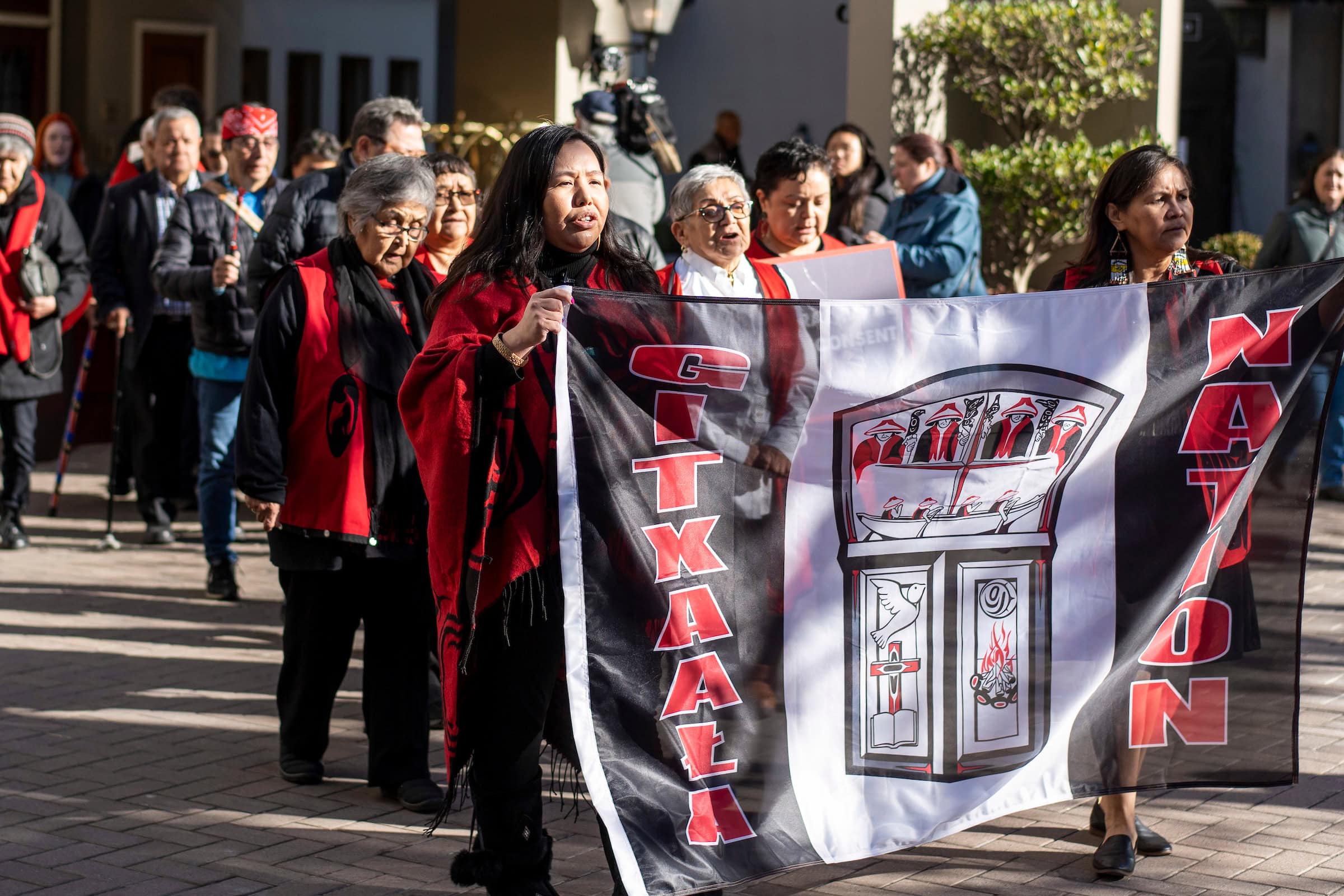
The B.C. Court of Appeal’s 2025 decision solidified DRIPA’s legal enforceability. In response, BC NDP Leader David Eby has vowed to amend the law. Photo: Jimmy Jeong / The Narwhal.
In August 2025, 11 years after the case was filed, B.C.’s Supreme Court affirmed the Cowichan Tribes’ Aboriginal Title under the constitution. The Cowichan case only named governments and government agencies, and the tribes have repeatedly said they have no intent of trying to take away any private property as a result of the court ruling. What the ruling made clear is the B.C. government cannot ignore the tribes’ federal Aboriginal Title rights but must negotiate with them to reconcile their Title with the interests of existing property owners.
“I haven’t heard one First Nation come out and say, ‘Well, yeah, we’d like to cancel people’s title and get rid of fee simple ownership,’ ” Callison pointed out.
The B.C. government appealed the ruling, and Eby has said his government will “go to the wall” to protect the rights of private property owners. He has also linked the Cowichan Tribes and Gitxaała cases, calling them “dramatic, overreaching and unhelpful court decisions.”
But DRIPA and the Cowichan decision actually have little to do with each other legally, besides being related to Indigenous Rights. Again, the Gitxaała case concerns the province’s actions — allowing mining claims to be staked on First Nations territory without notification or consent — and whether violating DRIPA makes them legally accountable. Meanwhile, the Cowichan case is about federally recognized rights that guarantee Indigenous Peoples access to traditional territories and to cultural practices.
Fact check: Would repealing DRIPA resolve all of these issues?
The BC Conservatives and others who support DRIPA’s repeal imply that getting rid of the law will clear away all friction of Indigenous Rights, Aboriginal Title and consultation obligations with First Nations. That is almost certainly not the case.
“That’s not the end of it; that’s the beginning of it,” Olsen said.
“Simply just repealing it isn’t going to do anyone any service,” Smith agreed. “I wish the opposition parties would be a lot clearer about what the alternative is, because they all know there has to be an alternative.”
DRIPA’s repeal could prompt public protest from some First Nations, Smith added, while others would continue ongoing discussions with companies interested in operating on their land.
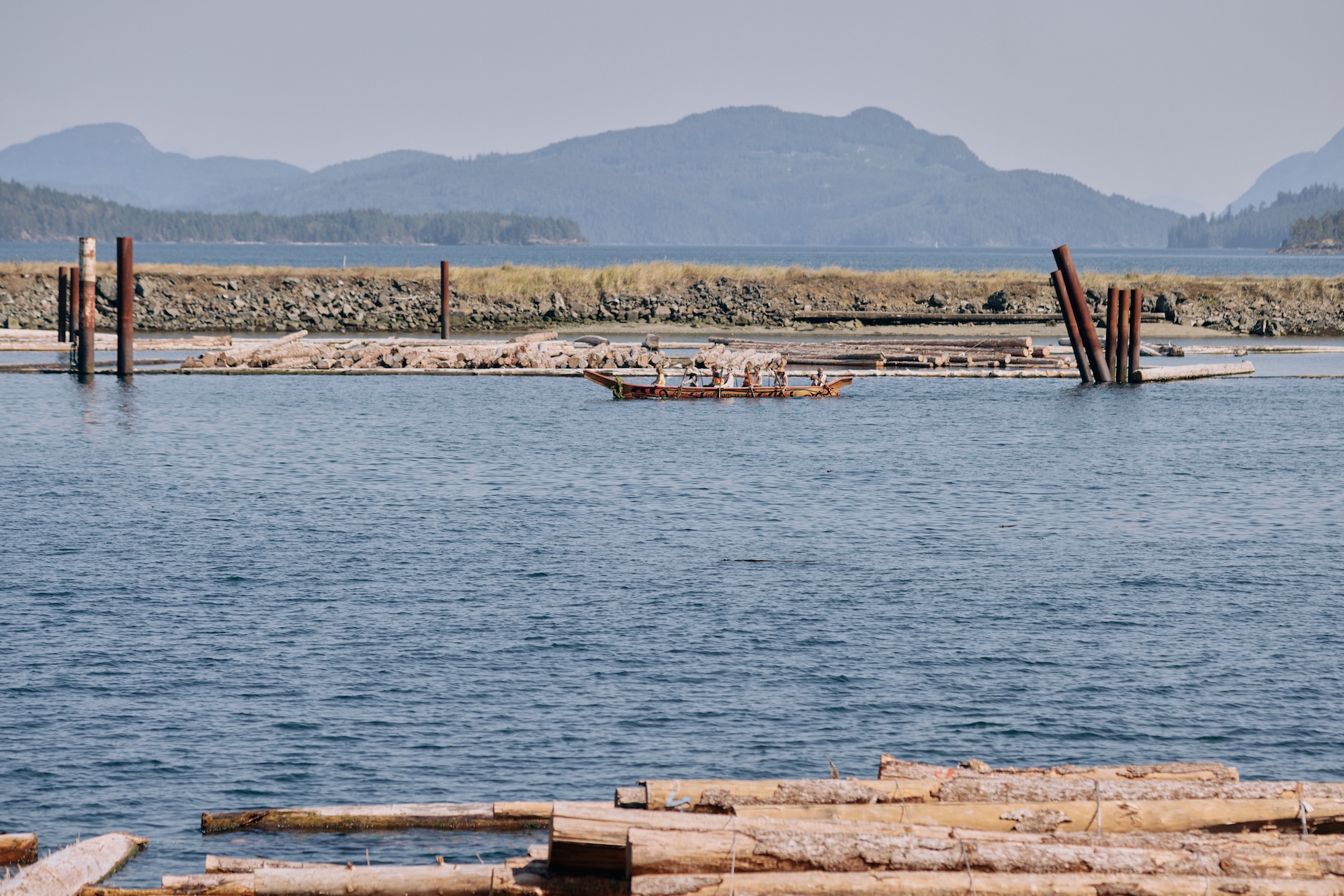
“If you are elected, you’re going to have to reconcile with Indigenous people in British Columbia,” Cynthia Callison, a partner with Callison & Hanna Law and First Nations advocate of nearly three decades, said. Photo: Taylor Roades / The Narwhal
“A lot of us have deals that are in the making right now that we simply can’t stop because there’s an election,” he said. “So while the government’s in caretaker mode, we’re still talking with a lot of the industries that are looking at investing in collaboration with First Nations.”Getting rid of DRIPA would not eliminate the constitutionally guaranteed right of First Nations, which can be hashed out in the courts, and have been, Callison pointed out.
Legal responsibilities aside, reconciliation should remain a priority for whichever party forms the next B.C. government, she added — something those parties should keep in mind as the election campaign rolls on.
“Why not take a little lesson out of history? If you are elected, you’re going to have to reconcile with Indigenous people in British Columbia.”
The Narwhal’s reporters are telling environment stories you won’t read about anywhere else. Stay in the loop by signing up for our free weekly dose of independent journalism.
From The Narwhal | News on Climate Change, Environmental Issues in Canada via This RSS Feed.