

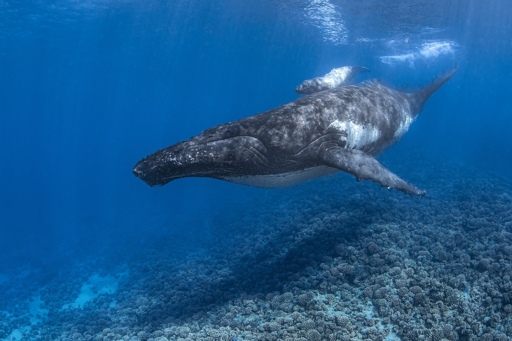
A push to reopen the door to commercial whaling failed at the recent meeting of the International Whaling Commission (IWC) after a controversial resolution was taken off the table on the last day. The draft resolution, put forward by the Caribbean nation of Antigua and Barbuda and co-sponsored by Palau, St. Kitts and Nevis, St. Lucia and Togo, called for the IWC to discuss the “sustainable use of whale resources” and introduced a path toward the reintroduction of commercial whaling. The bill, however, was ultimately withdrawn by another Caribbean nation, Grenada, which did not co-sponsor the bill, leaving the IWC’s 40-year-old global moratorium on commercial whaling intact. The IWC, an intergovernmental organization that oversees the management and conservation of cetaceans, including whales, dolphins and porpoises, convened its 70th meeting between Sept. 27 and Oct. 2 in Hobart, Tasmania. Approximately 400 delegates from all 89 member governments and several observer organizations attended this year’s commission meeting, which has been held biennially since 2012. The meeting marked 80 years since the IWC was established and 40 years since the moratorium it placed on commercial whaling took effect. The International Convention for the Regulation of Whaling, the international agreement that established the IWC in 1946, only refers to baleen and toothed whales, leading some to believe the moratorium only applies to these species, and not smaller cetacean species. Experts say the moratorium has aided the recovery of many whale species once on the brink of extinction due to whaling. But other threats to…This article was originally published on Mongabay
From Conservation news via This RSS Feed.