

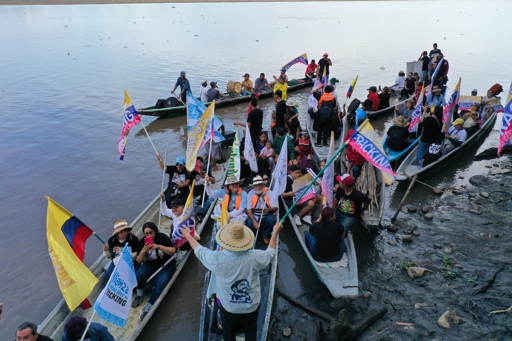
PUERTO WILCHES, Santander – On the banks of Colombia’s largest river, the town and the wider municipality of Puerto Wilches sit amid a maze of wetlands and floodplain lakes in the Middle Magdalena Valley. Residents spend weekends at riverside swimming spots known as balnearios and nearby waterfalls, while local fishermen still cast their nets each morning. Since about 2018, however, the municipality has been a focal point in Colombia’s debate over how to balance energy security, environmental concerns, and the transition away from fossil fuels. In 2021, Puerto Wilches was chosen for two pilot projects to test whether fracking, a method of extracting oil and gas trapped in shale rock, could be done commercially in Colombia, targeting shale formations beneath the region. Then-President Gustavo Petro later halted the projects, arguing that Colombia should move away from fossil fuels rather than expand oil and gas production. But that policy could soon be reversed under the new government of right-wing populist Abelardo de la Espriella, who during his campaign pledged to “fully open the door to fracking.” De la Espriella and other fracking supporters say the practice could help shore up Colombia’s gas supplies. According to the National Hydrocarbons Agency (ANH), the country’s proven gas reserves will only last another 5.9 years at the current production rate and with no new discoveries. Critics, however, warn that fracking could expose communities and ecosystems to environmental risks while also deepening Colombia’s reliance on fossil fuels, just as the country has been accelerating its clean…This article was originally published on Mongabay
From Conservation news via This RSS Feed.