

Cuba says it remains open to dialogue with Washington but rejects negotiations over its sovereignty or political system.
Cuba and the United States maintain diplomatic contacts through meetings, phone calls and WhatsApp messages, but have not resumed formal negotiations, Cuba’s top diplomat in Washington said Monday.
RELATED: Cuba Faces Flight Suspensions Due to Jet A-1 Fuel Crisis
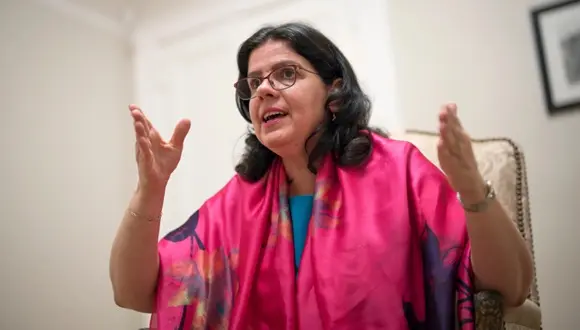
Lianys Torres Rivera, Cuba’s chargé d’affaires in Washington, told Reuters that the two governments have maintained a channel of communication but have not agreed on a negotiating agenda or restarted official talks.
“What we have with the United States are channels of communication,” Torres Rivera said. She declined to provide details about who has participated in the contacts, the issues discussed or their timing.
The comments contrast with a statement by U.S. President Donald Trump, who said in a speech to the United Nations that Secretary of State Marco Rubio was engaged in “full negotiations” with Havana.
Torres Rivera said Cuba remains fully prepared to engage in respectful dialogue with Washington, provided it takes place on an equal footing and without conditions that undermine the island’s sovereignty, independence or right to self-determination.
She said Cuba would not negotiate changes to its political system, describing sovereignty as a “red line.” Havana has repeatedly said the two countries can engage in dialogue as equals, without U.S. conditions that undermine Cuba’s independence or self-determination.
Torres Rivera also said Cuba was not “naive” about threats made by Trump and had stepped up preparations for any possible U.S. military action.
The comments come amid an escalation in U.S. pressure on Cuba. The Cuban government says Washington has tightened the more than six-decade-old economic, commercial and financial blockade and imposed an oil blockade in January that has affected the country’s social and productive activity and subjected its population to severe hardship.
Havana has also said the United States subsequently introduced secondary coercive measures and sanctioned dozens of Cuban officials and companies.
Trump has said Washington is seeking to radically change Cuba’s government. He has described the island as a “failed state” and predicted its collapse. Cuban authorities have rejected U.S. demands for changes to the country’s political system.
Cuban Foreign Minister Bruno Rodríguez has warned that U.S. restrictions on fuel supplies amount to a naval blockade and said more than 7,000 containers carrying medicines were stranded in ports across the region.
🚨 Expertos de la ONU condenan sanciones de EE.UU. y advierten sobre una “Gaza silenciosa” en Cuba
🔴 Relatores denunciaron que las medidas buscan alterar el orden constitucional de un Estado soberano mediante coacción.
¿Es hora de actuar con más firmeza?… pic.twitter.com/HZrrcaPG8K
— teleSUR TV (@teleSURtv) August 7, 2026
Text Reads: 🚨 UN Experts Condemn U.S. Sanctions and Warn of a “Silent Gaza” in Cuba
🔴 Rapporteurs denounced that the measures seek to alter the constitutional order of a sovereign State through coercion.
Is it time to act more firmly?
A U.S. official consulted by Reuters declined to provide details about the contacts but said Washington was prepared to “open a new chapter in the relationship.” The official said the Cuban authorities were, from Washington’s perspective, the main obstacle to moving toward a different future.
Cuba says the accumulated damage caused by the U.S. blockade has reached $178.7 billion. Havana has described Washington’s energy pressure this year as a “silent genocide” against the Cuban population.
For now, the two governments continue to communicate, but Torres Rivera’s comments make clear that Havana distinguishes between maintaining diplomatic channels and entering formal negotiations. Cuba remains unwilling to discuss changes to its political system or measures it considers a challenge to its sovereignty.
From teleSUR English via This RSS Feed.