


This article by Alexia Villaseñor and Jared Laureles originally appeared in the October 5, 2026 edition of La Jornada, Mexico’s premier left wing daily newspaper.
Amid a global scenario in which acute hunger has reached record levels, with 300 million people affected, Mexico plays a leadership role and its policies to combat poverty and improve nutrition are experiences that other countries can draw on, said Carl Skau, acting executive director of the United Nations World Food Programme (WFP).
In an interview with La Jornada, he highlighted the social programs and the nutritious school breakfasts (in their cold and hot modalities), as well as the model of local purchases directly from small producers. He also highlighted the regulation of products sold in schools and front-of-package labeling, measures about which he warned: “there are many forces against them.”
This recognition of the Mexican model comes in a context of growing deterioration of global food security. As the official detailed, between 2020 and 2025 the number of people with acute hunger tripled –going from 100 million to 300 million– due to wars, disruptions to maritime trade (such as those in the Strait of Hormuz) and climate change. On this last point, he warned that the effects of the El Niño phenomenon could prolong the food crisis for up to 18 months, especially in the poorest and most marginalized areas.

Between 2020 and 2025 the number of people with acute hunger tripled, going from 100 million to 300 million, due to wars, disruptions to maritime trade (such as those in the Strait of Hormuz) and climate change. Photo: AFP
Latin America and the Caribbean are already feeling this situation. Although the region is one of the world’s main food suppliers, 41 million people still suffer from hunger and it has the highest cost on the planet for accessing a healthy diet; only one in four people can afford it. The challenge is no longer only to produce food, but to guarantee access to nutritious products, he said.
Skau, with more than 25 years of experience in diplomacy and humanitarian affairs, visited Mexico last week to strengthen dialogue with local authorities around shared priorities, and highlighted the country’s role in promoting multilateral solutions to an increasingly complex food crisis.
Among the Mexican experiences he considered relevant is school feeding. “On this issue (Mexico) has a leadership role, because they started working early on school feeding,” he emphasized.
The programs include daily breakfasts with milk, cereals and fruit; in full-time schools, a hot meal is also offered, prioritizing vegetables, proteins, plain water and tortillas, while the dishes are prepared with little oil and no added sugars.
The acting WFP director also highlighted the participation of communities, particularly of women in school kitchens, since, in addition to preserving the habits and traditional food of each region –he explained–, they find in those spaces a source of work without needing to leave their places of origin.
A country that is carrying out domestic public policies aimed at combating hunger, to promote good-quality, healthy food, is relevant to us, and we take it to other countries that need similar policies. The example of Mexico is very important.
Carl Skau, acting executive director of the World Food Programme
Some of these experiences have already begun to be transferred to other nations in the region, such as Colombia and Peru. The mechanism consists of organizing learning missions and workshops of several days, in which specialists from one country share their experiences with officials and experts from another, he said.
During his meetings with the Secretary of Foreign Relations, Roberto Velasco, as well as with authorities from the Secretariat of Health, Skau specified that areas of collaboration were identified to promote a common agenda in regional and global spaces such as the Community of Latin American and Caribbean States (Celac), the G20 and the United Nations.
He warned that international organizations lack sufficient resources to address the current humanitarian crises; the WFP has lost 40 percent of its budget in the past two years, some 4 billion dollars.
For this reason, he stressed, the relationship between Mexico and the WFP focuses on technical cooperation, knowledge exchange and the strengthening of public policies. In addition, the country provides grains, legumes and other essential foods for the organization’s humanitarian assistance operations in emergencies in different parts of the world.
-
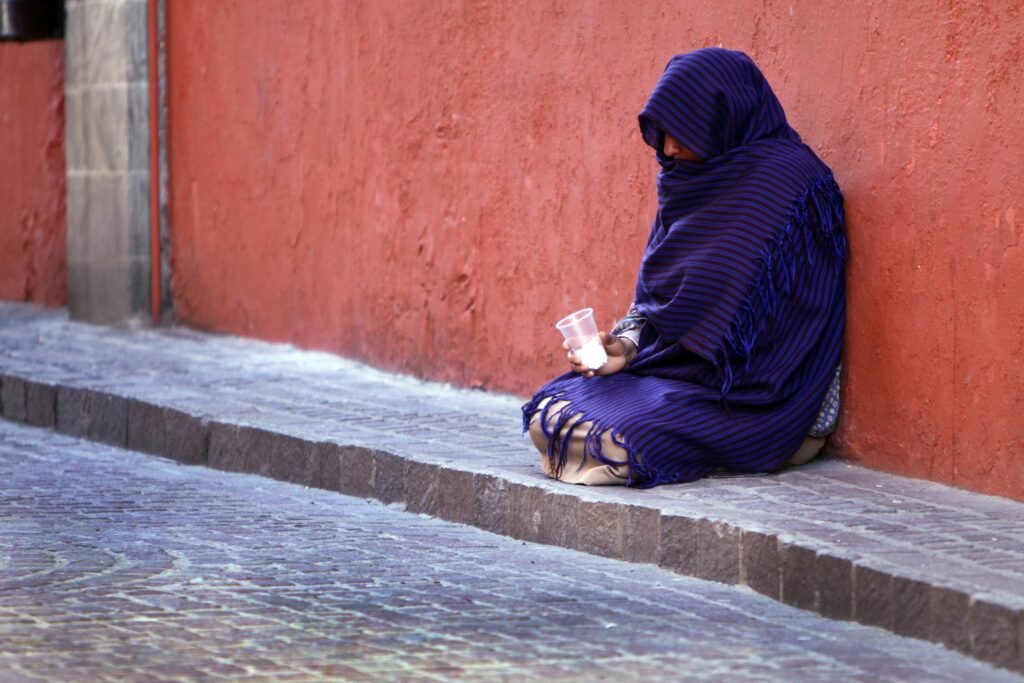
Mexico Is a Leader in the Fight Against Hunger, United Nations Praises
October 5, 2026
WFP chief Carl Skau singled out Mexico’s school meals, front-of-package labeling and local purchasing, models already being shared with Colombia and Peru.
-
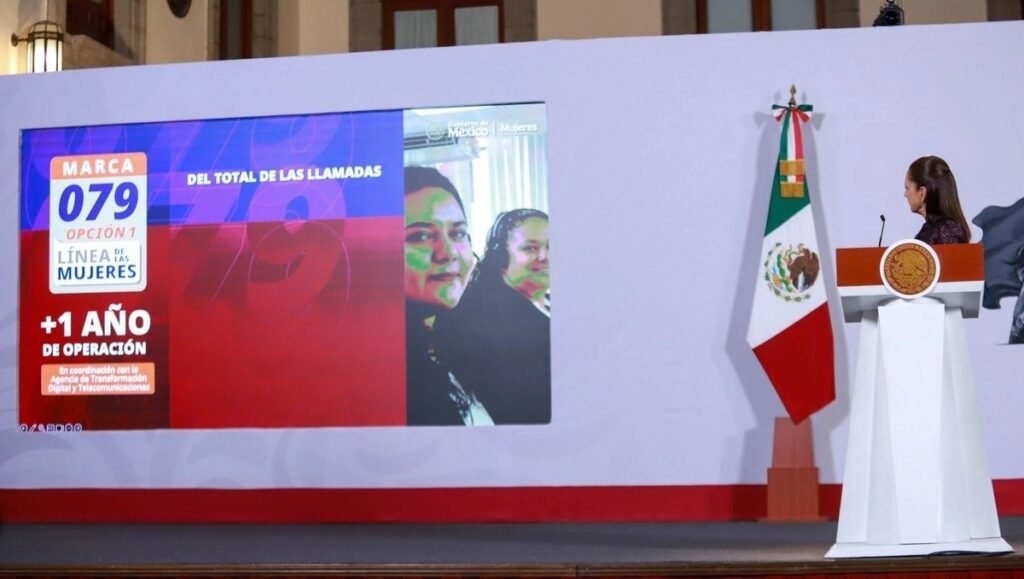
Historic 36% Reduction in Daily Incidence of Femicides in Mexico, Reports the Secretariat of Women
October 5, 2026October 5, 2026
The 079 option 1 Women’s Line has taken 20,000 calls in just over a year and detected femicidal violence in a third of them.
-
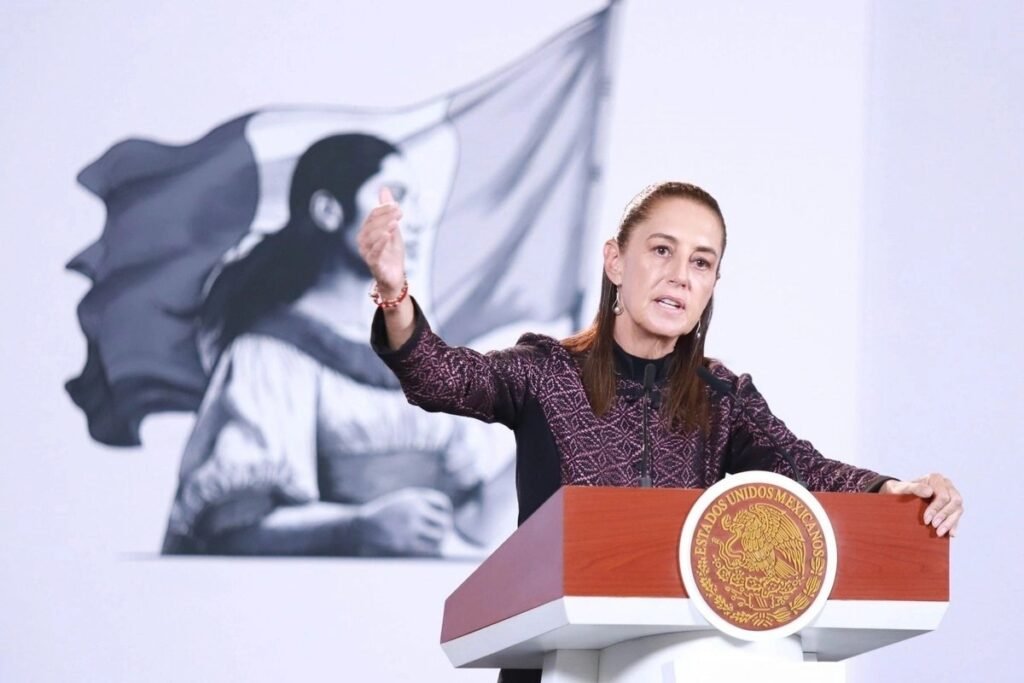
Mauricio Kuri, Governor of Querétaro, Did Not Notify the Secretariat of Foreign Relations of Inviting the US Ambassador to a Ceremony, Sheinbaum Says
October 5, 2026October 5, 2026
States can receive training and equipment from abroad, Sheinbaum said, but it all has to go through the federal government, and this ceremony skipped it.
The post Mexico Is a Leader in the Fight Against Hunger, United Nations Praises appeared first on Mexico Solidarity Media.
From Mexico Solidarity Media via This RSS Feed.