

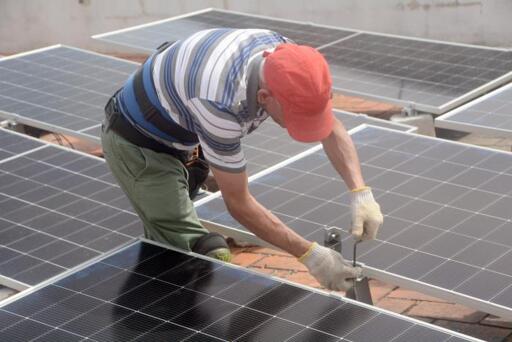
Two hundred megawatts (MW) of electricity generation from photovoltaic solar parks will be exclusively allocated to water pumping in Havana, so that, in the first months of next year, this service in the Cuban capital will not depend on the National Electric System (SEN), heavily affected by the tightening of the US blockade against the island.
Meanwhile, distributed generation will allow the reversal of disruptions to begin in November. To support the first 29 selected supply sources and impellers, generator sets from distributed generation are being mobilized.
Almost 70 sites have been visited to date to evaluate on the ground the alternatives that will ensure pumping and determine the needs of each facility.
These actions are part of a comprehensive strategy to reduce the energy vulnerability of supply systems and guarantee the continuity of an essential service, based on solutions that should progressively extend to the rest of the provinces. This strategy is reviewed weekly by Cuba’s top leadership.
During the broadcast of the program Criterio Compartido on Radio Rebelde, the First Secretary of the Party’s Central Committee and President of the Republic, Miguel Díaz-Canel Bermúdez, explained that distributed generation is the most immediate response, while for next year, the fundamental focus will be on renewable energy sources (RES).
“Two hundred megawatts from photovoltaic parks will be arriving to be dedicated solely to the water pumping system,” Díaz-Canel specified. This will be complemented by the installation of solar complexes and energy storage systems.
The priority has a strategic reason: water pumping is the activity with the highest electricity demand generated in the country. Reducing its dependence on the SEN and guaranteeing its own sources for its operation is, therefore, decisive for advancing the energy sovereignty of this service.
(Granma.cu, by Wennys Díaz Ballaga)
Translation: Orinoco Tribune
OT/JRE/CD
From Orinoco Tribune via This RSS Feed.