

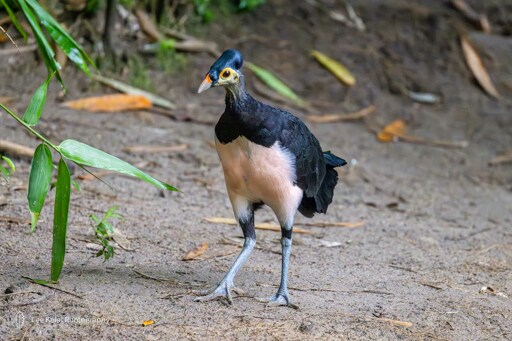
Maleos, black-and-white birds that stand 60 centimeters (2 feet) tall with a distinctive splash of blue, orange and yellow on their faces, roam Sulawesi’s thick tropical jungles. But when it’s time to lay their eggs, they arrive at communal nesting grounds: Sandy beaches heated by the sun or the earth’s geothermal energy. There, they dig burrows with their webbed blue feet, lay their eggs and disappear. After a couple of months, the younglings hatch and, miraculously, are ready to fly within a few hours. This is an iconic bird on Sulawesi, serving as the official faunal mascot of Central Sulawesi province and of the Bogani Nani Wartabone National Park. Once considered widespread on Sulawesi, maleos (Macrocephalon maleo) are now on the brink of extinction, classified as critically endangered. Their numbers have dwindled to just 4,000-7,000 breeding pairs, mainly because their forest habitat is disappearing and they are targeted by poachers. Since 1983, the birds have lost more than two-thirds of their 149 nesting grounds as residential and commercial development takes over sandy riverbanks and beaches, and habitat is ravaged by mines and sliced by roadways. Maleo eggs are considered a delicacy, so people raid nests, and fewer chicks are born to replenish the population. But now, illegal trade in live maleos is emerging as a new and serious threat to their survival, according to a recent study published in the Journal of Asian Ornithology. These birds are trafficked to serve the booming demand for exotic pets. Researchers documented three seizures…This article was originally published on Mongabay
From Conservation news via This RSS Feed.