

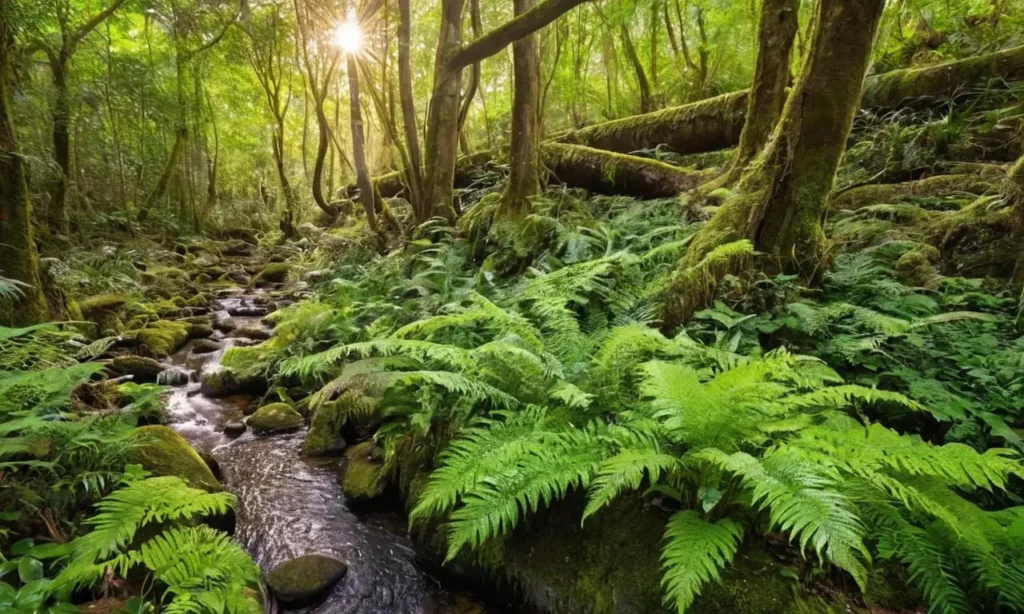
The second edition of the Catalogue of the Plants of Cuba updates taxonomic, geographic, and ecological information regarding the archipelago’s flora, emphasizing endemic species and conservation efforts.
The Catalogue compiles up-to-date knowledge on the national flora and establishes a reference for its study, classification, and preservation. The work was produced following an extensive review and updating process led by the Cuban Plant Specialist Group of the International Union for Conservation of Nature (IUCN) Species Survival Commission.
RELATED:
Cuban Sciences Academy Awards Prize for Regenerative Medicine Research
According to a press release from the organization, the catalogue stems from the need for a taxonomic standard to unify the criteria used in studying and conserving the national flora.
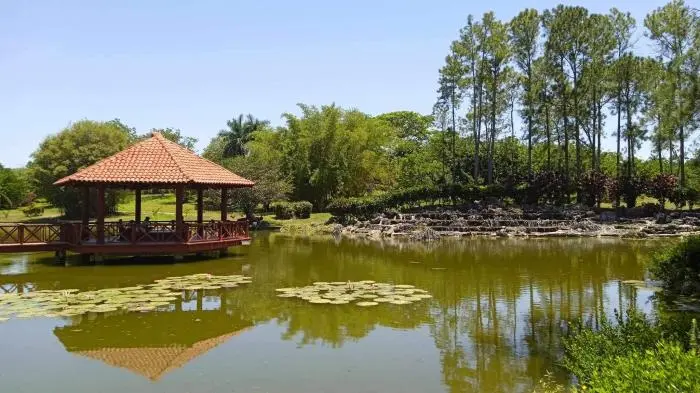
Photo: National Botanical Garden archive
To this end, the publication compiles scientific names recorded for Cuba, assigns each to an accepted taxon, and defines the presence category for native, endemic, and exotic plants—including naturalized and cultivated ones. It also identifies taxa to be excluded from the flora due to being rarely cultivated, ephemeral, of doubtful identity, or erroneously cited.
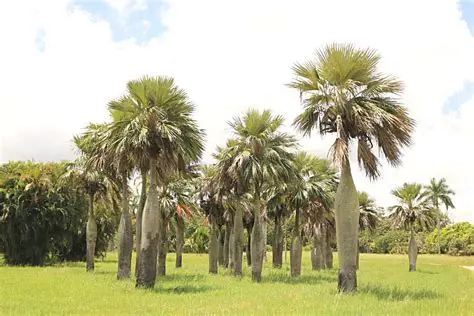
Photo: National Botanical Garden archive
Compared to the previous edition, the new catalogue recognizes 349 families, 2,073 genera, 8,232 species, and 8,392 plant taxa. Of the latter, 6,961 are native; among them, 3,019 are endemic. It also records 1,431 exotic taxa, including 725 naturalized ones.
The data indicate that approximately 43.4 percent of Cuba’s native taxa are endemic—a proportion linked to the unique nature of the archipelago’s flora. For this reason, the work pays special attention to Cuban and Caribbean endemics, which may be underestimated when treated as synonymous with species having a wider distribution.
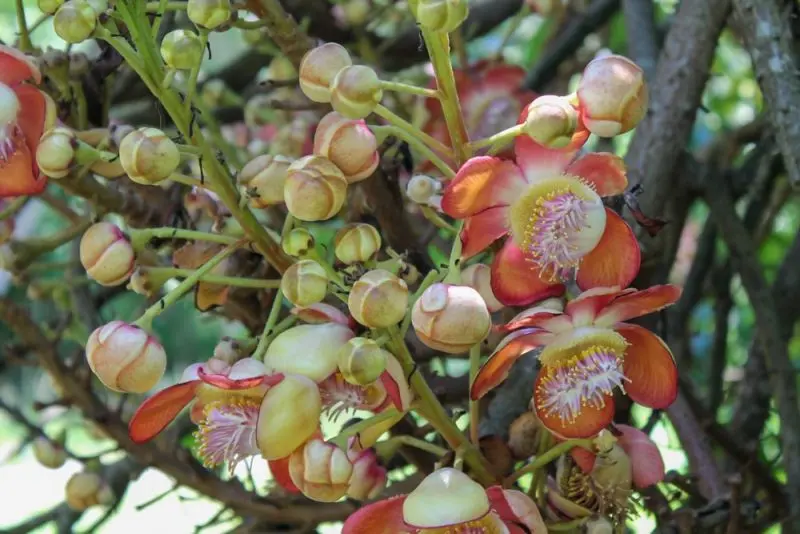
Photo: National Botanical Garden archive
The authors note the conservation significance of this situation, given that many endemic plants have small populations and restricted ranges.
A key feature of this edition is the inclusion, for the first time, of inventories of non-vascular plants, such as hornworts, liverworts, and mosses. In total, the recorded flora comprises 888 non-vascular plant taxa and 7,504 vascular plant taxa.
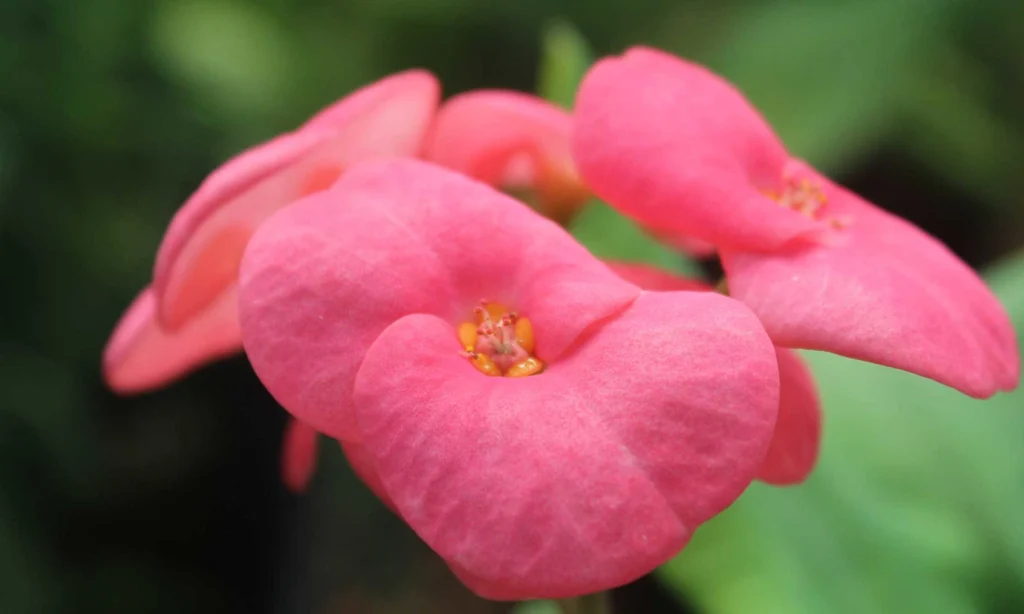
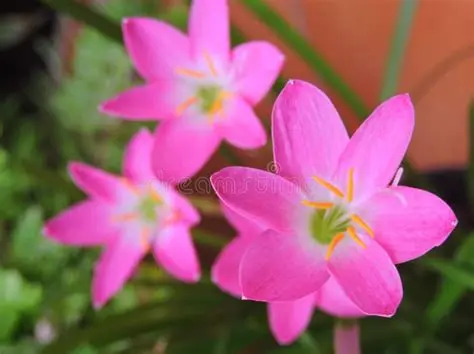
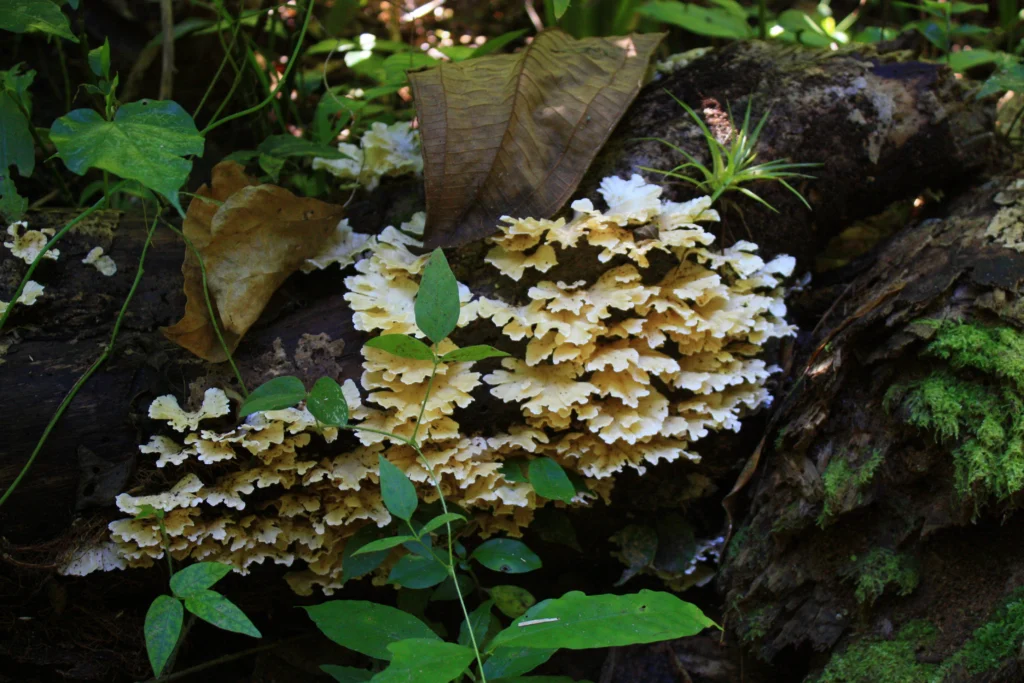
Photo: National Botanical Garden archive
The catalog also incorporates data from Cuba’s 15 provinces and the special municipality of Isla de la Juventud. Guantánamo, Santiago de Cuba, and Holguín account for the highest number of native and naturalized vascular taxa. The publication also includes inventories of exclusively cultivated plants, rarely cultivated plants, and plant genetic resources conserved ex situ in Cuban institutions.
🇨🇺 Cuba has developed its own cancer treatment.
The country’s Center for Molecular Immunology has developed CIMAvax-EGF and other innovative therapies to fight cancer, while continuing to expand access to cutting-edge treatments despite the challenges of the U.S. blockade.
🔬 A… pic.twitter.com/ezbMIA7xQM
— teleSUR English (@telesurenglish) September 9, 2026
From teleSUR English via This RSS Feed.