

Amelia Schafer
ICT
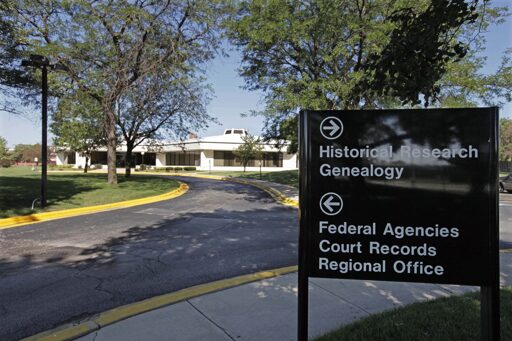
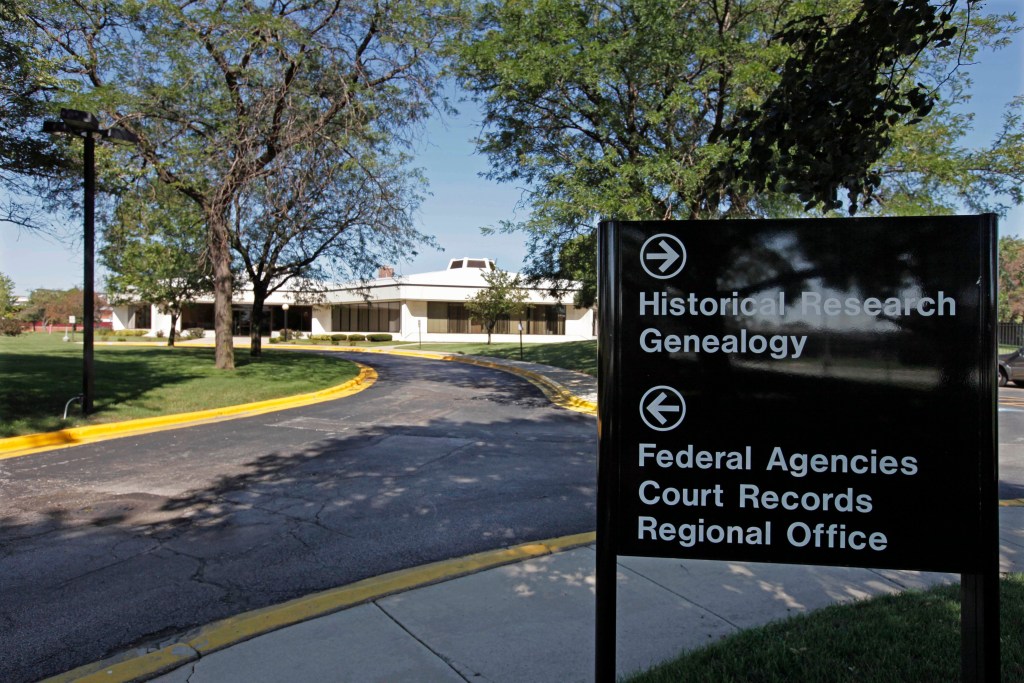
MILWAUKEE, Wisc. – When word that the National Archives and Records Administration would close archive locations important to Indian Country researchers – without advance notification or consultation – tribal leaders objected.
“Decisions appear to be moving forward without meaningful tribal consultation and without a complete public understanding of what is at stake,” Heather Hostler, executive director of California Indian Legal Services said in August. “The United States has a trust responsibility to tribes and a duty to consult them in making decisions like the San Bruno closure. We know too well what happens when things are taken from Native people.”
Now the federal archivists are retroactively scheduling consultations.
ICT has learned of two meetings open to “Indigenous leaders” scheduled for Oct. 13 and 15 to discuss pending closures to the Chicago and San Francisco/San Bruno National Archives locations and relocating “temporary” records from the Seattle location.
The National Archives said in a statement that the closures are meant to address the “growing volume of underutilized space” resulting from the federal government’s transition to electronic recordkeeping. However, tribal leaders told ICT an overwhelming majority of Bureau of Indian Affairs records are not available digitally.
ICT reached out to National Archives representatives but did not hear back immediately. Tribal leaders say they remain upset at the pending closures.
“The Lac du Flambeau Band of Lake Superior Chippewa Indians is extremely disappointed by the planned closure of the National Archives facility in Chicago,” a spokesperson for the Lac du Flambeau tribe told ICT on Tuesday. “This facility houses thousands of records connected to the Lac du Flambeau Agency, including records from the Lac du Flambeau boarding school. These documents hold an important and deeply personal part of our Tribe’s history and the stories of generations of our people.”
According to an email shared with ICT, meetings will be held virtually on Oct. 13 at 2 p.m. Eastern Time and on Oct. 15 at 3 p.m. Eastern Time. The meetings are reportedly open to any tribal nation with an interest in our Chicago and San Francisco facilities, according to a statement from the archives website.
The email indicates that the San Francisco and Chicago locations are still set to close, but does not provide a specific closure date. “We also want to build a relationship to receive on-going inquiries and communications to meet your research needs after the facilities are closed,” the email forwarded to ICT reads.
Michael LaRonge, tribal historic preservation officer for the Sokaogon Band of Chippewa Indians, told ICT he received notice of the meetings at the end of last week and is planning to attend.
“We are working diligently to ensure our concerns are heard and to advocate for this decision to be reversed,” a spokesperson for the Lac du Flambeau tribe told ICT. “The preservation and accessibility of these records are incredibly important to our tribe, our families, and future generations. We intend to participate in the consultation process and will continue advocating for the protection of these invaluable pieces of our history.”
Tribal governments utilize documents stored at the National Archives to assess tribal enrollment rolls, documentation of Indian trust funds and even when uncovering information about the Federal Indian Boarding School era. Documents can include maps, photos, court records, first-hand testimonies, Indigenous language materials, genealogies and more. Producing copies of these documents is costly and incredibly time consuming, leaders told ICT.
Leaders can register by sending an email to tribalconsultation@nara.gov with the meeting dates and names of representatives who plan to attend. From there, a virtual meeting link will be sent.
Each meeting will reportedly cover the same content, meaning leaders only need to attend one of the two sessions.
The National Archives Tribal Consultation department did not immediately respond to ICT requests regarding if these meetings will allow for leaders to provide input and share concerns.
The post National Archives schedules virtual tribal consultation meetings appeared first on ICT.
From ICT via This RSS Feed.