

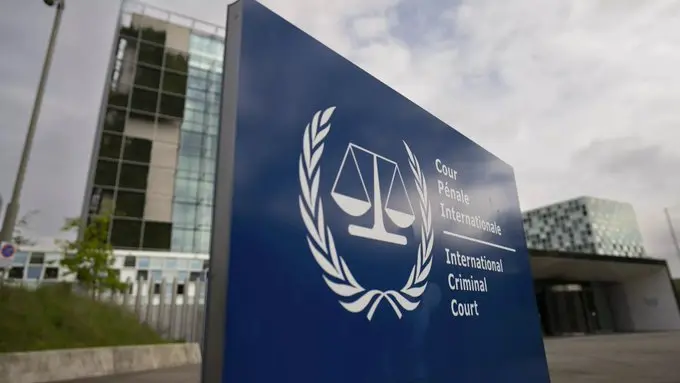
The Assembly of States Parties to the International Criminal Court (ICC) will hold its twenty-fifth session in The Hague, Netherlands, rather than at the UN headquarters in New York as originally planned, following a decision by the body’s Bureau on September 28, 2026. The meeting will take place from November 30 to December 7, 2026, with Saturday, December 5, and Sunday, December 6, designated as working days.
RELATED:
NATO Summit in The Hague: Militarization Surge Exposes Imperialist Ambitions Amid Global Instability
The Assembly Presidency justified the change citing concerns regarding participation limitations linked to the venue—specifically, the status of elected Court officials subject to U.S. sanctions and visa restrictions affecting certain delegations and representatives of non-governmental organizations (NGOs). The decision was reached after consultations with all States Parties and alters the original plans, agreed upon in 2024, to host the gathering in New York.
The relocation occurs amidst rising tensions between Washington and the Court, following the expansion of U.S. sanctions against the tribunal’s judges and prosecutors, including the Court’s President, Japanese Judge Tomoko Akane.
The United States is not a party to the Rome Statute—the ICC’s founding treaty—and has rejected the tribunal’s jurisdiction over U.S. citizens and, in certain circumstances, nationals of allied countries such as Israel.
The Court has issued arrest warrants for Israeli Prime Minister Benjamin Netanyahu and former Defense Minister Yoav Gallant for alleged war crimes and crimes against humanity in Gaza, a move that has exacerbated friction with Washington.
An array of former government officials, human rights groups, bar associations, and legal experts have filed amicus briefs supporting a lawsuit challenging Trump’s sanctions on International Criminal Court officials and others assisting its work. https://t.co/XT7Gtg4eUd
— Kenneth Roth (@KenRoth) September 25, 2026
In addition to the sanctions, the administration of President Donald Trump has urged its allies to withdraw from the tribunal, describing it as an anti-American institution that is out of control. Meanwhile, the President of the Assembly, Finnish diplomat Päivi Kaukoranta, emphasized that the measure is a response to the specific circumstances of 2026 and does not set a precedent regarding the location of future sessions.
In parallel, and as a sign of European support for the Court, German official Johann Wadephul and Dutch official Tom Berendsen visited the ICC headquarters in The Hague and met with tribunal officials, including Akane.
“The German government fully supports the Court,” stated Wadephul—whose country is the ICC’s second-largest financial contributor after Japan—adding that they are working with other nations to preserve the tribunal’s operational capacity in the face of sanctions from Washington.
The Assembly of States Parties is the ICC’s legislative and oversight body, comprising the 125 countries that have ratified the Rome Statute. Its functions include approving the budget, overseeing administrative matters, and participating in the election of judges and other senior tribunal officials.
U.S. entry restrictions have already caused tensions at the United Nations: in September, Washington denied a visa to Palestinian President Mahmoud Abbas, who was forced to address the General Assembly in New York via video link.
#InternationalJustice | The International Criminal Court faces growing scrutiny over its ability to deliver justice amid jurisdictional limits and geopolitical pressure.
Major powers including the U.S., Russia and China remain outside the Rome Statute, raising questions about… pic.twitter.com/opO3Q2OgTV
— teleSUR English (@telesurenglish) August 18, 2026
From teleSUR English via This RSS Feed.