

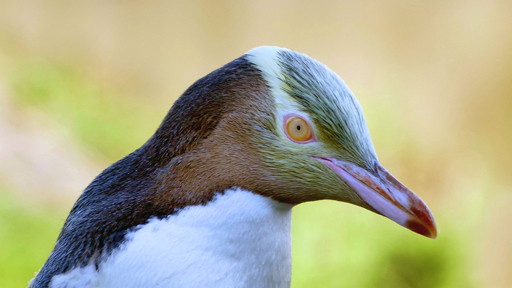
OTAGO PENINSULA, Aotearoa New Zealand — Sandfly Bay was long a key nesting area for yellow-eyed penguins (Megadyptes antipodes), noisy, pink-footed birds that spend long days foraging at sea. But this wild beach on the Otago Peninsula, like others nearby, has gone quiet. In 2024, the last breeding-age female at Sandfly Bay, who’d been consistently producing chicks for a dozen years, drowned in a fishing net. Fishing has been one of many factors driving the species, which is only found in Aotearoa New Zealand, toward extinction. In the 2008-2009 breeding season, there were 739 breeding pairs in the “mainland” New Zealand population, which includes pairs on nearby islands. But the population has dropped since then to 117 pairs — a decline of more than 80%. These figures don’t account for yellow-eyed penguins on New Zealand’s remote southern islands, which are poorly surveyed. The IUCN, the global wildlife conservation authority, listed the species as endangered in its last assessment, in 2020, when the mainland population was still twice what it is now. Several experts told Mongabay that the species’ chances of survival are slim, though most said they still had faith. “I think I’d always like to say that there’s hope because otherwise why do you do what you do, but things are pretty dire,” Trudi Webster, a marine scientist who’s worked on research and conservation of the species for the past decade, told Mongabay. A number of organizations are working to save the yellow-eyed penguin, and much of the conservation…This article was originally published on Mongabay
From Conservation news via This RSS Feed.