

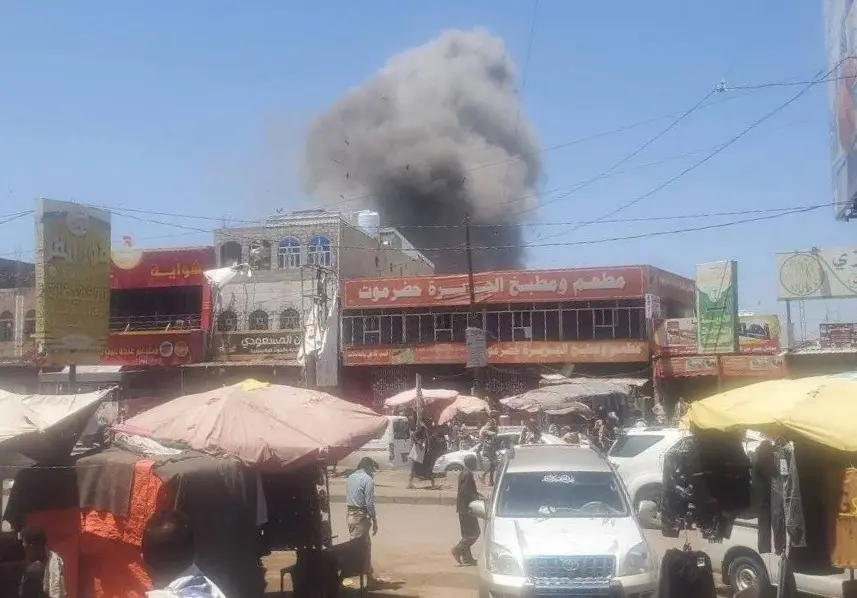
At least 67 civilians have been killed and another 107 injured, mostly women and children, in attacks led by Saudi Arabia in Yemen since the offensive began on Sunday 3, reported the Health Ministry of the Houthi rebels.
[Yemeni Forces Launch Preventive Operation Against Saudi Positions in Jizan: At Least 67 Dead in Yemen Due Saudi Attacks](https://www.telesurenglish.net/at-least-67-dead-yemen-saudi-attacks/)
The office stated in a press release that these victims were registered in several provinces of the Arab country, but that they are concentrated in the main battlefronts of Taiz, Al Jawf, Al Hodeidah, Ibb, Saada, Hajjah and the capital, Sana’a, held by the Houthis since 2014.
Likewise, he accused the forces led by Saudi Arabia -which has been intervening in Yemen since 2015 at the head of a military coalition in support of the internationally recognized government- of launching attacks against civilian infrastructure, including prisons and detention centers, as well as schools, displaced persons camps, markets or mosques.
Early in September, Houthis launched a large-scale offensive against several provinces held by Yemeni government loyalist forces, seizing control of the vast majority of the Arab country’s southern coast. This allowed them to dominate the Red Sea and its entry point, the Bab al-Mandeb strait.
Video footage of the destruction that followed Saudi airstrikes that targeted the central market in Taiz.
Food warehouses, stores, shop owners, customers, moto-taxis, and civiliana passing by. https://t.co/BDY4MUXbt8 pic.twitter.com/Az8AdHLtUM
— Yarub Ibn Qahtan (@yarubibnqahtan) September 27, 2026
The offensive was met with a bombing campaign led by Riyadh and ground attacks by government troops and other allied groups. However, the Houthis have so far managed to consolidate their gains on the ground despite denouncing that Saudi Arabia has carried out more than a thousand bombings against their positions.
In parallel, the Houthis are maintaining a campaign of attacks against Saudi Arabia’s military and energy facilities, and have also imposed a maritime blockade in the Red Sea. This has led the largest OPEC oil producer to create multinational joint defense alliances to protect its economic interests.
From teleSUR English via This RSS Feed.