

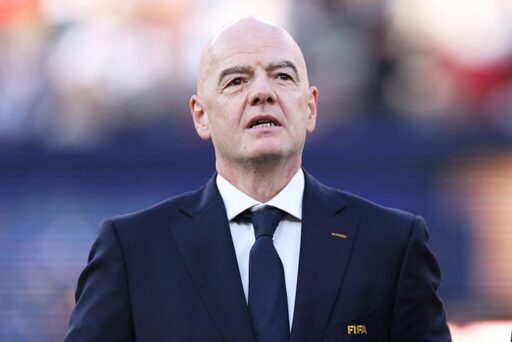
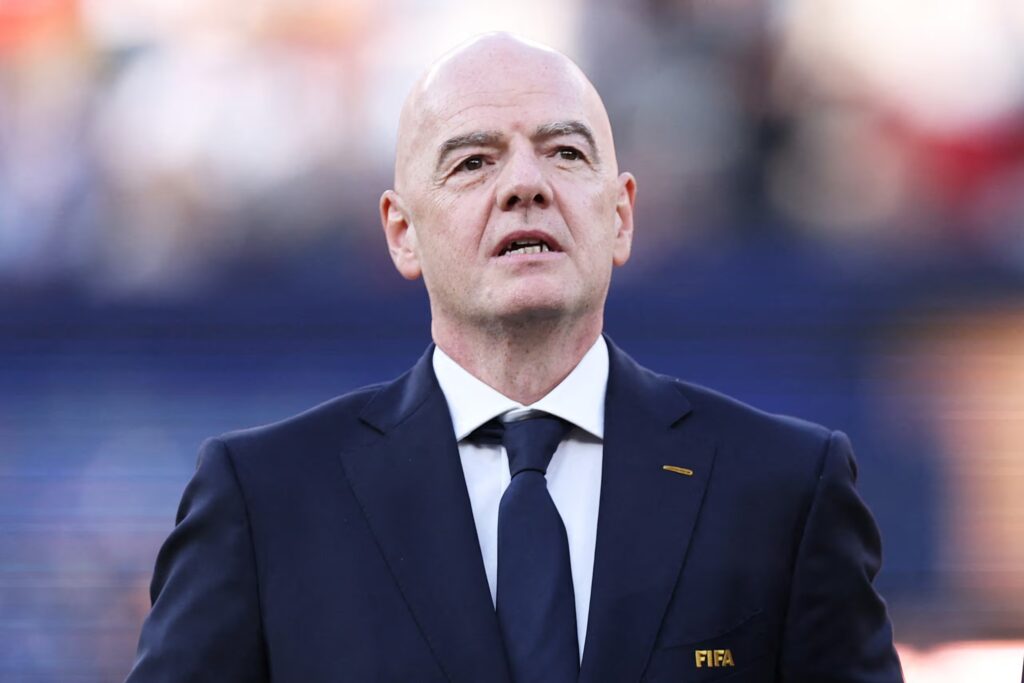
The top professional soccer leagues in Europe issued a joint statement this Friday demanding deep and urgent reform to the governance structure of FIFA, the sport’s global governing body, calling for a fundamental overhaul of how the organization manages world football.
LaLiga, England’s Premier League, Italy’s Serie A and Germany’s Bundesliga jointly called on FIFA on Friday to adopt a new governance structure that is “transparent, objective, proportionate and inclusive,” urging candidates in the federation’s upcoming presidential election to publicly back these principles.
The governing bodies agreed that football’s international regulator must change its current management model.
RELATED: FIFA Reserve Funds: UEFA and Concacaf Call for Financial Reevaluation
In a joint statement, the four leagues urged FIFA to give affected stakeholders a genuine role in decision-making, ensure that decisions are grounded in objective data, and protect FIFA’s regulatory function from its commercial one.
The leagues warned that football’s historic foundations have been threatened by “a fundamental governance problem” in recent years, and arguing that FIFA’s President, Gianni Infantino, has actively promoted abusive initiatives rather than protecting football from them.
“The underlying question is whether the FIFA President should simultaneously concentrate regulatory, commercial and political power without effective checks and balances, including the agreement of affected parties. A deep governance reform is essential to restore clear constitutional limits within FIFA and ensure, among other things, that individual disciplinary matters remain unequivocally protected from any political interference,” the statement read.
🚨 In an unprecedented move, The Premier League, Bundesliga, La Liga and Serie A have called for FIFA reform via a statement!
The demands include a new global governance structure that is “transparent, objective, proportionate and inclusive.” pic.twitter.com/ouNyGNyN0h
— DW Sports (@dw_sports) September 25, 2026
A Separation Of Powers
One of the central demands of the joint position is a strict separation between FIFA’s regulatory authority and its commercial interests. According to the European organizations, the overlap of both functions within a single institution creates market distortions and conflicts of interest that undermine the financial sustainability of domestic leagues and compromise fairness across global football.
The leagues also called for international match calendars and rule changes to be based on objective data and sport-specific impact studies, an effort aimed at curbing fixture congestion that they say harms players’ health and disrupts the schedules of domestic competitions. The joint statement frames the current calendar-setting process as one that prioritizes FIFA’s own commercial and competition interests, such as the expanded Club World Cup, over the wellbeing of players and the operational needs of national leagues.
⚽ Para unificar el fútbol, FIFA debe reformarse.@Bundesliga_DE, @LaLiga, @SerieA y @premierleague reclaman una reforma profunda de su gobernanza: participación real, decisiones basadas en datos objetivos y separación entre sus funciones regulatorias y comerciales.
— LALIGA Corporativo (@LaLigaCorp) September 25, 2026
Text reads: “To unify football, FIFA must reform itself. @Bundesliga_DE, @LaLiga, @SerieA and @premierleague call for a deep reform of their governance: real participation, decisions based on objective data and separation between their regulatory and commercial functions.”
Toward Real Representation
The bloc of leagues insisted on the need to establish genuine, binding representation for domestic competitions within FIFA’s executive committees. According to the organizations, the current governance model excludes the very stakeholders who sustain football’s day-to-day development and finance the training of athletes at the grassroots and professional levels.
The European leagues demanded that FIFA “must create a permanent body representing the main stakeholders, including national federations, leagues, clubs, and men’s and women’s players.” This new body, they added, “must receive full information on new initiatives and play a meaningful role in FIFA’s decision-making process,” with the agreement of directly affected groups required for decisions related to the calendar, employment, competitions and football’s essential assets.
This position reinforces a broader demand from national leagues to democratize decision-making within world football, pushing back against what they characterize as a pattern of unilateral measures imposed from the top of the organization. The proposal advocates for a decentralized governance structure that prioritizes institutional balance, protections for workers across the sport, and the preservation of football’s broader ecosystem over monopolistic financial interests tied to FIFA’s commercial operations.
“FIFA’s authority can only stem from sharing responsibilities, accepting scrutiny and earning trust,” the leagues said, pointing to FIFA’s presidential election, scheduled for March 18 in Rabat. They proposed that within the first 100 days of the next presidential term, a Governance Convention be held, chaired by an independent figure with representation from all federations and the wider football community, tasked with publicly presenting its conclusions within six months.
“All candidates for the FIFA presidency should publish their own reform agenda, debate its contents, and respect fair electoral rules. FIFA’s financial, legal, communications and marketing resources, as well as its football development funds, must maintain strict neutrality and must not, under any circumstances, generate an electoral advantage for any candidate,” the leagues demanded.
The joint stance from four of Europe’s most powerful domestic leagues represents one of the most coordinated challenges to FIFA’s governance structure in recent years, reflecting growing frustration among top-tier competitions over decisions made without direct input from the leagues most affected by them. Tensions between FIFA and top European leagues have escalated in recent seasons amid disputes over the expanded international match calendar, including the newly enlarged Club World Cup format and additional international fixture windows that leagues argue were introduced without adequate consultation.
The statement does not detail specific next steps or a formal timeline for negotiations with FIFA, though the coordinated nature of the announcement, spanning England, Spain, Italy and Germany, signals an intent to present a unified front in future discussions over the sport’s governance.
From teleSUR English via This RSS Feed.