

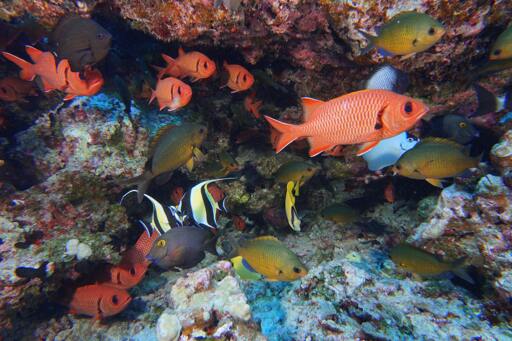
The world’s coral reefs are losing both hard coral cover and, just as critically, the time they need to recover between increasingly frequent marine heat waves, according to the most comprehensive global reef assessment yet. Released Aug. 31 by the Global Coral Reef Monitoring Network (GCRMN), the “Status of Coral Reefs of the World: 2025” draws on 21.1 million observations from 87,299 surveys at 36,886 sites across 123 reef-bearing countries, territories and economies, collected between 1980 and 2024. The report estimates that global hard coral cover, defined as the proportion of reef surface covered by living hard corals, fell from an average of 30.2% during a 1980-2009 reference period to an average of 27.3% between 2020 and 2024. That represents a decline of 2.9 percentage points, or 9.5% relative to the reference period. The assessment characterizes this estimate as conservative: Monitoring began after many reefs had already been degraded, and uneven data coverage can limit comparisons across regions. Hard coral cover dropped further to 25.8% in 2024. The report focuses on hard coral cover because hard corals are ecosystem engineers, and their cover is readily measured, easily understood and consistently monitored worldwide, allowing comparisons across regions and over time. A variety of fish species swim above a patch reef 24 meters (80 feet) deep at French Frigate Shoals, a large coral atoll in the Hawaiian Islands. Image by Andrew Gray/NOAA via Flickr (Free to use). From April 2023 to mid-2025, coral reefs experienced a fourth global bleaching event, declared by…This article was originally published on Mongabay
From Conservation news via This RSS Feed.