

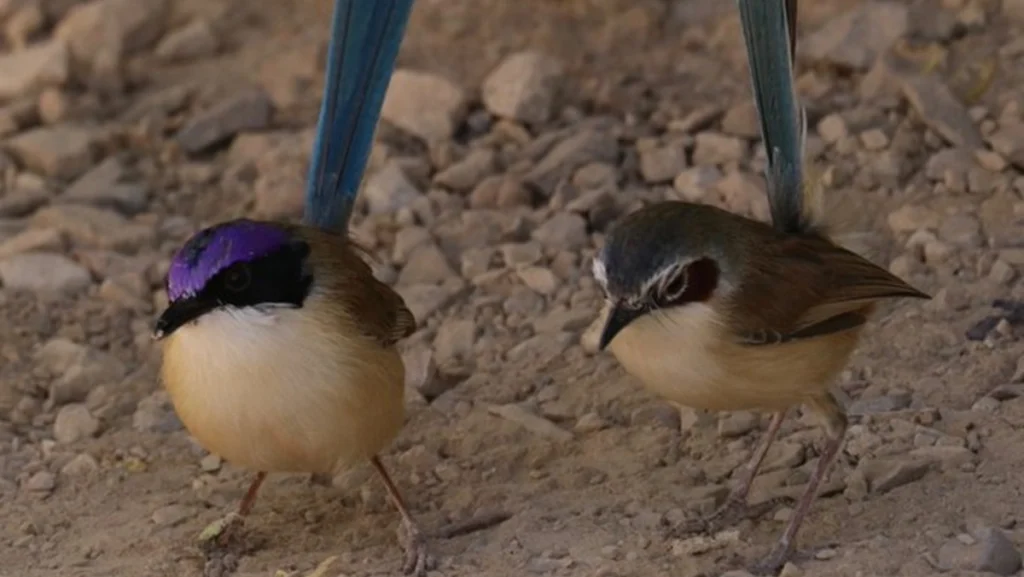
A study examined how non-lethal heat exposure affected telomeres in purple-crowned fairy-wrens.
Hotter temperatures are causing hidden, cumulative cellular damage in wild birds that could contribute to population declines, according to research led by Australia’s Monash University.
RELATED:
Brazilian President to Visit Rio Grande do Sul for Climate Talks and Campaign Event
The study examined how non-lethal heat exposure affected telomeres — protective caps at the ends of chromosomes — in purple-crowned fairy-wrens, a species native to tropical Australia.
Telomeres shorten naturally as an animal ages or experiences physiological stress. Shorter telomeres are closely linked to reduced lifespan and lower reproductive success.
Researchers found that hotter conditions accelerated telomere loss during two critical periods of purple-crowned fairy-wrens: when juveniles moved toward nutritional independence and when adults entered their reproductive phase.
Turritopsis dohrnii can turn back into a baby version of itself.
The species Turritopsis dohrnii, known as the immortal jellyfish, can respond to stress or aging by reverting its cells back into an earlier polyp stage instead of dying. This process is called… pic.twitter.com/5pXignjv5l
— nathanistic (@nathanistic) September 19, 2026
Neither favorable social conditions nor other environmental factors reduced the impact of heat exposure. However, adult birds living in areas with high-density vegetation experienced less severe telomere erosion.
“Even when temperatures aren’t hot enough to kill an animal outright, heat stress inflicts hidden damage at a cellular level. Over time, this cumulative degradation reduces individual fitness and could quietly drive population declines,” said the study’s co-author Justin Eastwood from the Monash University School of Biological Sciences.
The researchers called for protecting natural microclimates, including dense vegetation canopies along riverbanks or in deep forests that block direct sunlight, to help species cope with rising temperatures.
teleSUR/ JF
Source: Xinhua
From teleSUR English via This RSS Feed.