

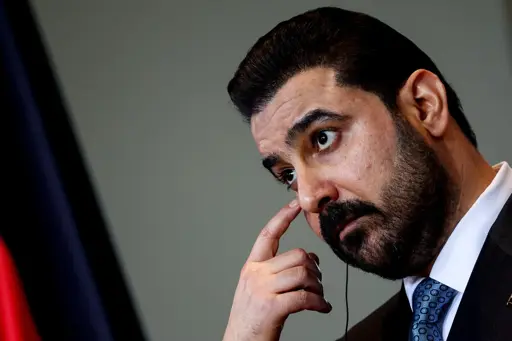
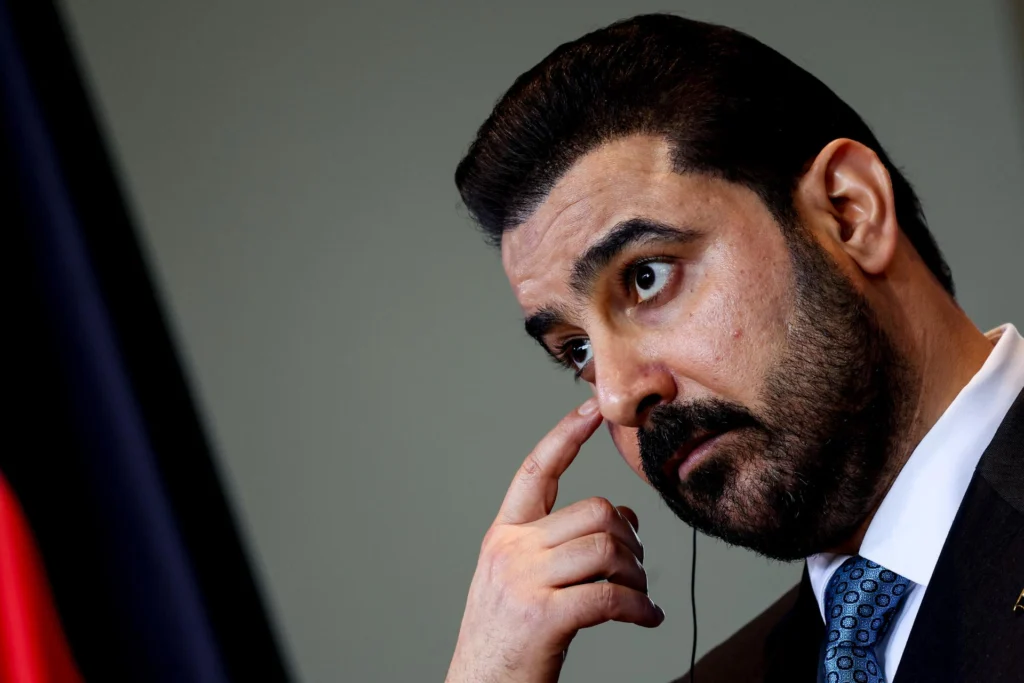
Prime Minister, Ali al-Zaidi, announced on September 23, that the deadline for the complete disarmament and integration of Iraqi resistance groups has been extended to June 30, 2027.
This decision comes amid intense pressure from Washington, which demands the dismantling of the militias.
RELATED: Iraq and Lebanon Seek Agreement on Possible New Oil Pipeline to the Mediterranean
The extension, revealed in an interview with an international media outlet, modifies the previous deadline set for September 30, 2026. This earlier deadline was firmly rejected by armed organizations following a surge in pressures and coercive measures imposed by the administration of U.S. President Donald Trump on Baghdad.
Al-Zaidi justified the initiative by stating that state control over weapons is a matter of honor and essential for consolidating the country’s economic stability and attracting international investments. “Iraq seeks to be a point of encounter, not of hostility,” the Prime Minister asserted.
Iraqi Prime Minister Ali al-Zaidi announced a phased militia disarmament plan on Tuesday setting June 30, 2027, as the new deadline and proposing a 90-day mutual halt in militia and US attacks as the first phase, before weapons handover begins. Some factions are pushing for an… pic.twitter.com/jlPpfGy7YD
— Kurdistan 24 English (@K24English) September 22, 2026
Iraq’s Phase-by-Phase Plan
The plan outlined by the Iraqi government involves a phased approach to neutralize the autonomy of the militias. In the initial 90-day ceasefire phase, factions must halt all attacks on foreign positions in exchange for a guarantee that U.S. forces will suspend incursions and airstrikes in Iraqi territory.
In the integration phase, authorities expect combatants to progressively surrender their weapons and cease operating as independent structures. They will then integrate individually into the Popular Mobilization Units (PMU/Hashd al-Shaabi) under the State’s command structure. These forces are constitutionally recognized and were integrated into the security apparatus for their role in defeating the self-proclaimed Islamic State.
However, resistance factions reject the “transition” model agreed upon between Washington and Baghdad, which aims to redefine the U.S. military presence from a combat role to an advisory one. Instead, they demand the immediate and unconditional withdrawal of all foreign troops from Iraqi soil.
In recent months, Washington has hardened its stance by freezing security cooperation programs and restricting dollar transfers to the Central Bank of Iraq. This financial leverage is used to force the dismantling of groups allied with Tehran.
Iraqi PM Ali Faleh al-Zaidi met with Iranian President Masoud Pezeshkian and FM Abbas Araghchi on the sidelines of the UN General Assembly, where the Iranian officials presented him with an album depicting victims of US and Israeli strikes against Iran. pic.twitter.com/hId5Z40Oin
— Channel8 English (@Channel8English) September 23, 2026
The success of this plan hinges on the ability to navigate the delicate balance between domestic and international pressures. The rejection of the transition model by resistance factions and the demand for an immediate withdrawal of foreign troops add layers of complexity to an already fraught situation, warning of the technical and political impossibility of achieving it amid the ongoing regional military conflict stemming from U.S. and Israeli aggression against Iran, Gaza, and Lebanon.
The international community’s response to the extended deadline will be crucial in determining the outcome. While some may view it as a necessary step towards stability, others may see it as a concession to external pressures.
From teleSUR English via This RSS Feed.