

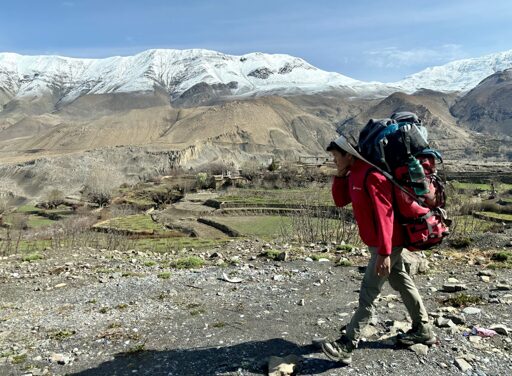
KATHMANDU — In September 2006, Nepal’s then Minister of Forests and Soil Conservation Gopal Rai and a contingent of conservation leaders flew to a remote village in eastern Nepal to hand over a conservation area to the people living there. On the evening of Sept. 22, Rai handed over management of the Kanchenjunga Conservation Area (KCA) to the community, hailing it as a milestone in Nepal’s conservation history. “For the community, this was the beginning,” Ghana Shyam Gurung, now WWF’s country representative, tells Mongabay. The next day, minutes after take-off, the contingent’s Russian-built Mi-8 helicopter crashed, killing all 20 passengers and four crew. Among the dead were the forest minister, his spouse, senior officials, a Finnish diplomat, a senior USAID official and WWF staff. Bad weather hampered rescue efforts for two days. No one in the capital Kathmandu could confirm what had happened until searchers reached the wreckage. Two decades later, the community-based approach to conservation pioneered by “dreamers” such as Harka and Chandra Gurung and Mingma Norbu Sherpa, all of whom were killed in the crash, still drives Nepal’s wildlife and forest recovery. The country’s tiger population has more than tripled and its forest cover has grown by six percentage points since the crash. But conservationists say progress has since stagnated. A generation lost The crash left empty seats at Nepal’s key conservation institutions. Conservationist Sarita Jnawali, then with the National Trust for Nature Conservation (NTNC), remembers the day the deaths were confirmed. “When people like that weren’t there,…This article was originally published on Mongabay
From Conservation news via This RSS Feed.