

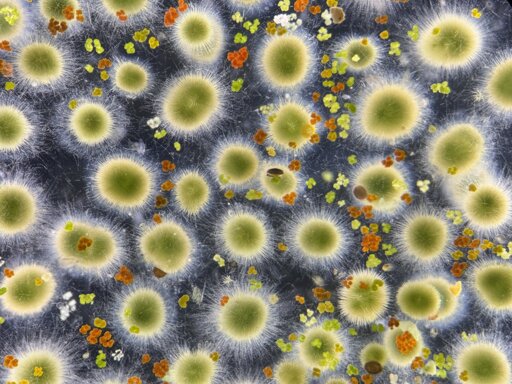
Gloeotrichia echinulata is a type of cyanobacterium that draws scrutiny because it tends to bloom in clear lakes, forming thick mats of visible green or white puffballs in otherwise clean water. Because of the slew of toxic compounds cyanobacteria can produce, blooms (historically called “blue-green algae”) are of growing global concern. Yet, a new study by researchers at Bigelow Laboratory for Ocean Sciences and Oregon State University suggests this particular species might not deserve its maligned reputation.
From Biology News - Evolution, Cell theory, Gene theory, Microbiology, Biotechnology via This RSS Feed.
You must log in or # to comment.