

This article originally appeared in the September 20, 2026 edition of SinEmbargo, a Mexican independent digital news outlet.
Mexico City, September 20 (SinEmbargo).— The United States is seen by Mexicans as a much greater threat to Mexico than China or Russia. A survey conducted by Focaldata for the Rockefeller Foundation reveals that 58 percent of those consulted consider that the US government represents a major threat to the country, a perception that practically doubles the one recorded for China, at 27 percent, and far exceeds Russia, at 34 percent.
The result contrasts with a purported survey released days earlier by NewsNation and reproduced by various Mexican media outlets, according to which a majority of Mexicans would support direct US actions against the cartels, including operations carried out on national territory without prior notice to the Mexican government. Unlike the Focaldata study, which identifies the universe of countries, the fieldwork period, and the sample size, NewsNation did not publish the full document it attributed to the State Department, nor did it identify the company that supposedly interviewed a thousand Mexicans, nor did it reveal the questions, the specific percentages, the fieldwork dates, the sample selection method, or the margin of error.
By contrast, the Focaldata survey data places Washington —Mexico’s main trading partner and its immediate neighbor— as the country that generates the most concern among Mexicans out of the powers evaluated. The result is part of an international study applied in 34 countries to measure perceptions of the world scenario, external threats, security priorities, international cooperation, and economic expectations. The fieldwork was carried out between July 21 and August 5, 2026, and gathered the responses of 35,399 people through nationally representative surveys.
In the Mexican case, the difference is particularly wide. The United States records a lead of 31 percentage points over China as a major threat, and 24 points over Russia. The result places Mexico within a group of developing countries where the United States appears more frequently as a major threat than the other two major powers analyzed.
The survey did not ask people to directly rank the United States, China, and Russia from greatest to least threat. Instead, participants evaluated separately whether each one represented a major threat, a minor threat, or no threat to their country. For that reason, the percentages reflect the perception of each power independently.
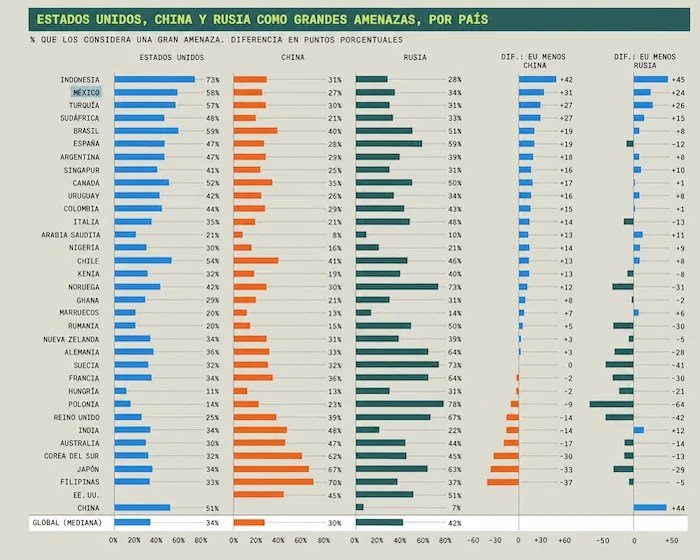
Mexico stands out among the countries where the US is perceived as a greater threat than China and Russia: 58% of Mexicans surveyed named the US, versus 27% who named China and 34% Russia. Chart recreated and translated into Spanish by SinEmbargo using AI, based on the original.
Fifty-eight percent of the Mexicans consulted identified the United States as a major threat, compared to the 34 percent who pointed to Russia and the 27 percent who did the same with China. The difference among the three powers is also part of a broader trend recorded in developing economies.
According to the study, the United States was identified as the greatest threat of the three powers in 12 of the 16 developing countries included in the survey. By contrast, this occurred in only two of the 16 economies considered wealthier: Canada and Singapore.
The perception recorded in Mexico is also among the highest in the study. The percentage of people who consider the United States a major threat reaches 73 percent in Indonesia, 59 percent in Brazil, 58 percent in Mexico, and 57 percent in Turkey.
The Mexican result is also part of a regional trend. The survey notes that all the Latin American countries included in the study, like the countries of the Middle East, North Africa, and Turkey region, rated the United States as a greater threat than Russia or China.
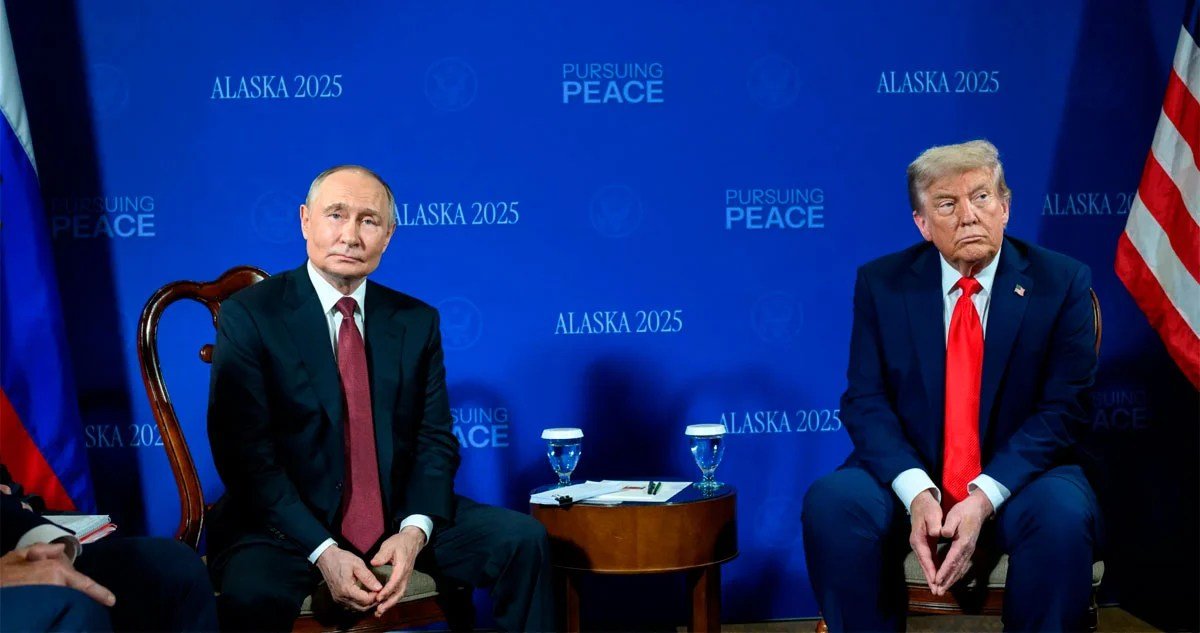
Vladimir Putin, President of Russia, alongside Donald Trump, President of the United States. Photo: White House.
The situation contrasts with the perception of China in some Asian countries. The study found that concern over Beijing is concentrated particularly in countries in its vicinity: 70 percent of those surveyed in the Philippines considered China a major threat, as did 67 percent in Japan, 62 percent in South Korea, 48 percent in India, and 47 percent in Australia.
Globally, Russia obtained the highest median proportion of people who consider it a major threat, at 42 percent, followed by the United States at 34 percent and China at 30 percent. However, the distribution changes considerably across countries and regions.
This past July, a report published by the Pew Research Center revealed that the perception of China and its President, Xi Jinping, has improved considerably in recent years in Mexico and Canada, the two main allies and trading partners of the United States.
This shift has been recorded particularly during the second term of President Donald Trump, to the point that the image of the Asian country is now more favorable globally than that of the United States. In Mexico and Canada, in fact, China receives a more positive rating and Xi Jinping generates higher levels of trust than the US president.
Now the Focaldata study notes that there is no power that is uniformly considered the main threat throughout the world. Nonetheless, the United States appears as the greatest threat among the three powers in 14 of the 32 countries where it was possible to compare the three perceptions, while Russia holds that position in 14 countries and China in five.
In 22 of the 32 countries that evaluated both the United States and China, moreover, a greater proportion of people considered the North American country a major threat. The median difference was 12 percentage points. Among the wealthier economies the result was split, while in 14 of the 16 developing economies the United States was cited more frequently than China.
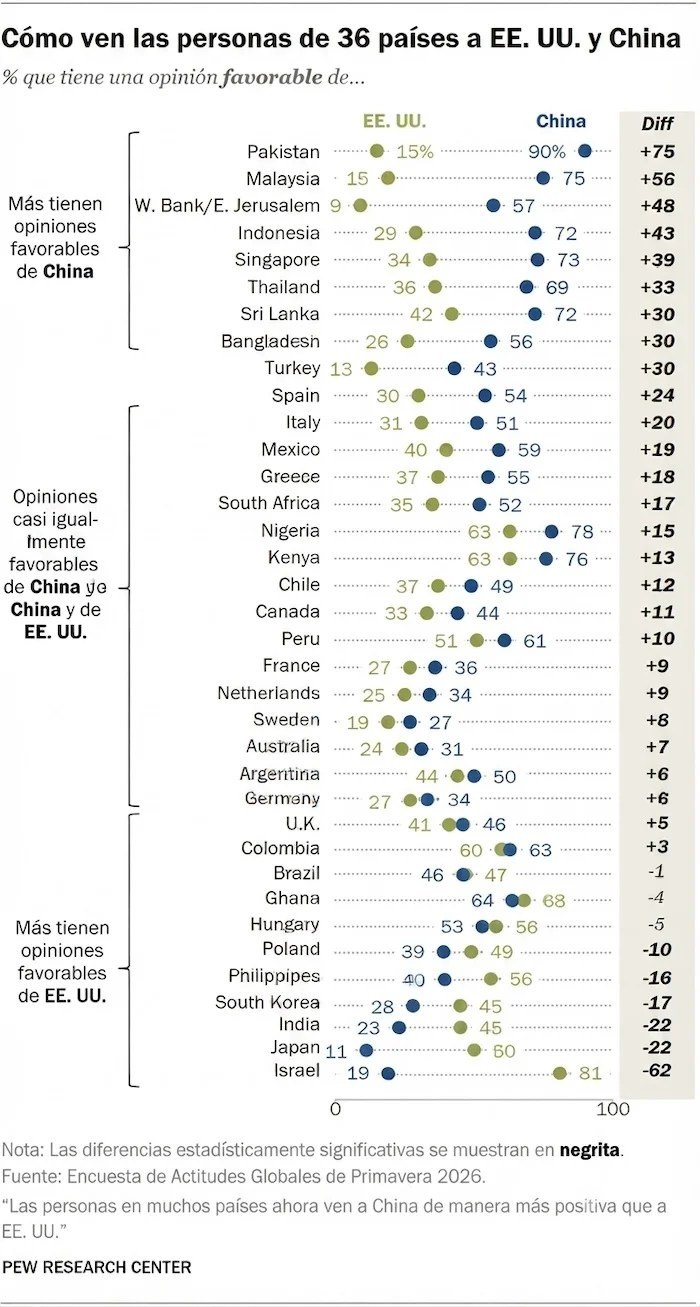
How people in 36 countries view the US and China (% with a favorable opinion). Source: Pew Research Center. Chart in Spanish, as published by SinEmbargo.
The perception of international threats is accompanied by a change in security priorities. Worldwide, avoiding wars and conflicts became one of the main concerns of respondents.
Forty-four percent of the people consulted in the 34 countries placed the prevention of wars and conflicts among their top three priorities. The issue ranked first in 21 countries and was among the top two priorities in 33 of the 34 countries included in the study.
In Mexico, the proportion increased nine percentage points compared to the measurement carried out in November 2025. It went from 33 to 42 percent between the two measurements, according to the report.
The increase places the prevention of wars and conflicts as one of the issues that gained the most importance for Mexicans within the set of international priorities considered by the survey.
In developing economies, the study found that, in addition to avoiding wars and conflicts, there is considerable concern about international economic conditions. Forty-two percent indicated that among their main priorities are a fairer world economy and trade, while 41 percent mentioned the prevention of wars and conflicts.
Other issues had lower percentages: reducing poverty was mentioned by 27 percent, humanitarian aid by 27 percent, democracy and human rights by 25 percent, climate change by 25 percent, and access to food and drinking water by 23 percent. Migration was cited by 10 percent.
The study also asked who should take a central role in preventing wars. Across the surveyed countries, groups of countries working together were most frequently considered the appropriate actors to address this type of problem. This option was chosen by 45 percent in the wealthier economies and by 38 percent in the developing economies, above the percentages recorded for national governments.
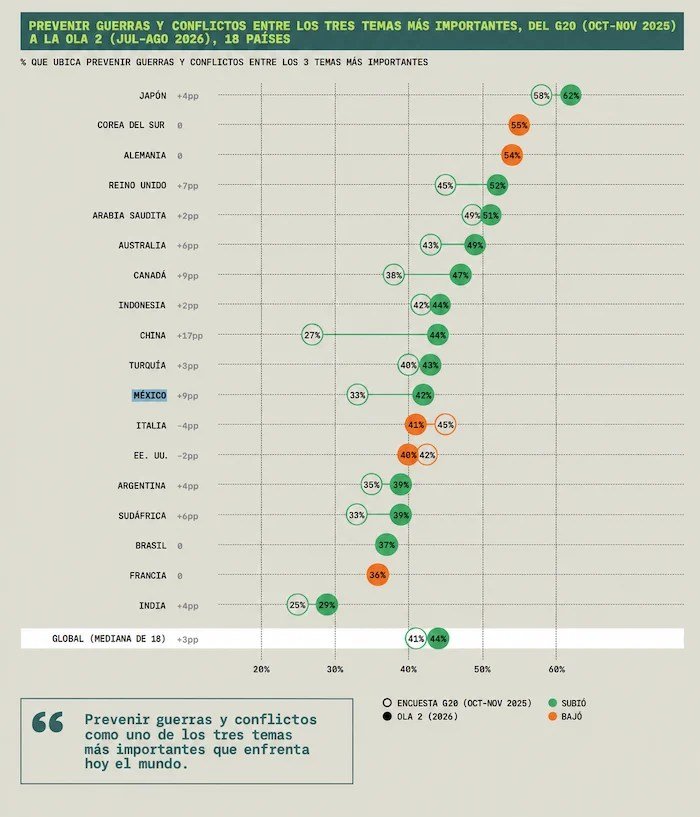
In Mexico, the share of people who ranked the prevention of wars and conflicts among the top three global problems rose from 33% to 42% between late 2025 and July–August 2026. Chart recreated and translated into Spanish by SinEmbargo using AI, based on the original.
Despite the perception of a more conflict-ridden international scenario, the survey found that the majority of participants continue to support cooperation among countries.
Globally, 57 percent of respondents said they would support their country cooperating with other governments to solve international problems, even if that meant compromising some national interests. The figure rose from 55 percent in the previous measurement.
Among developing economies, support was 53 percent. In Mexico, by contrast, the proportion was 50 percent, four percentage points less than in the previous measurement.
The report notes that there is an even greater willingness when international cooperation is directly linked to concrete results. Eighty-one percent of respondents worldwide said they would support cooperation more if it demonstrated that it can solve global problems, while 80 percent indicated they would back it more if it could show that it helps solve problems within their own country.
The study also raised the possibility of a group of countries working together to address global problems without including either the United States or China. Sixty-one percent of respondents supported that possibility, compared to 12 percent who were against it. Support was similar among the wealthier economies, at 60 percent, and the developing economies, at 62 percent.
The results thus show that the perception of the major powers does not necessarily translate into a rejection of international cooperation. On the contrary, a majority of respondents maintain their support for working with other countries, although the support is related to the expectation that such cooperation produces concrete results.
-
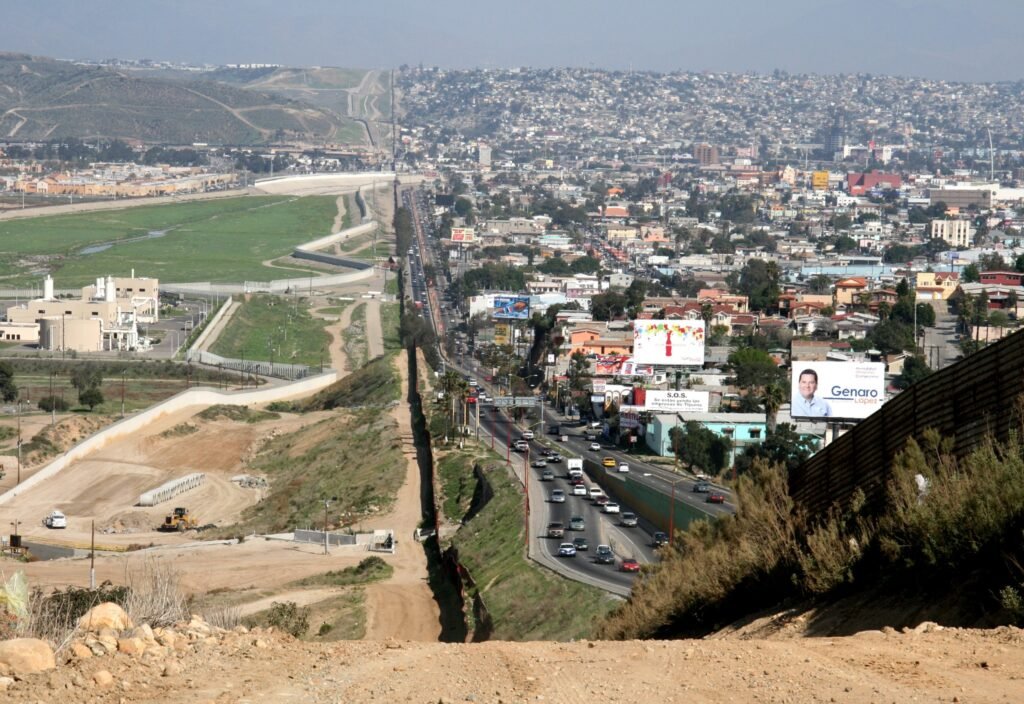
Mexico Sees the US as a ‘Greater Threat’ Than China or Russia, New Survey Confirms
September 20, 2026September 20, 2026
A Focaldata–Rockefeller poll finds 58% of Mexicans see the US as a major threat, more than double the figure for China and well above Russia.
-
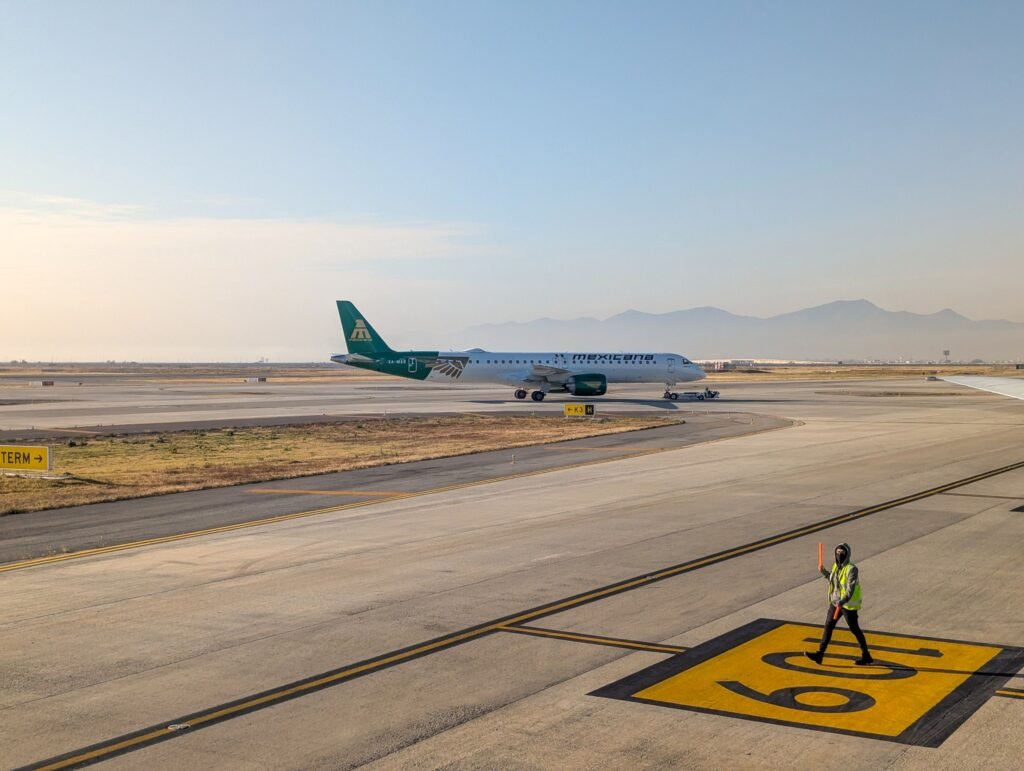
Mexicana Receives Its Ninth Embraer Aircraft; Increases Its Capacity by 11.04%
September 20, 2026
Mexico’s recently nationalized airline Mexicana receives its ninth Brazilian-built Embraer E2, raising monthly capacity to 57,020 seats out of the AIFA airport.
-
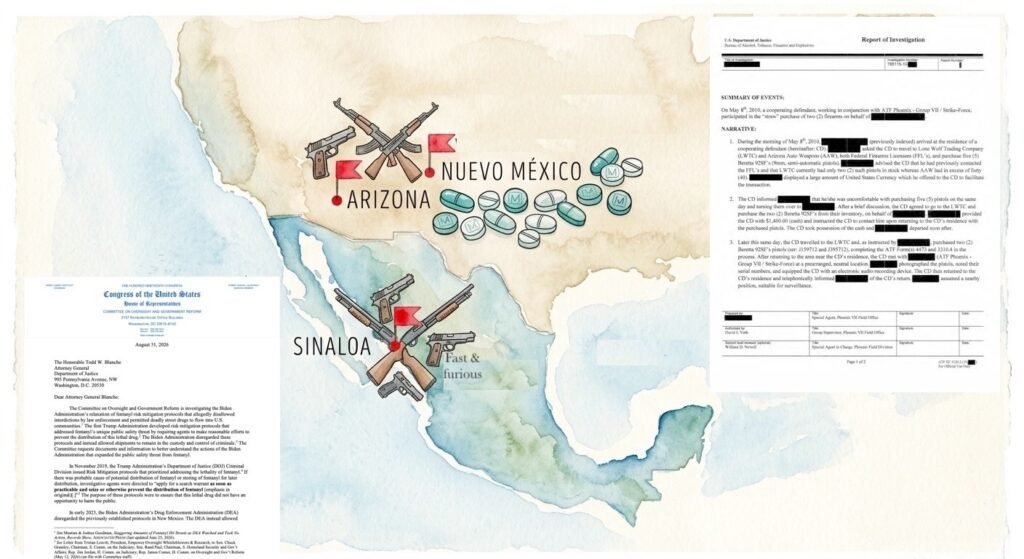
From Fast and Furious to Walking Fentanyl: Lessons Not Learned by the US
September 20, 2026September 20, 2026
Nancy Flores digs into declassified emails showing the DEA let fentanyl ‘walk’ New Mexico streets, echoing the ATF’s Fast and Furious guns to the Sinaloa Cartel a decade earlier.
The post Mexico Sees the US as a ‘Greater Threat’ Than China or Russia, New Survey Confirms appeared first on Mexico Solidarity Media.
From Mexico Solidarity Media via This RSS Feed.