

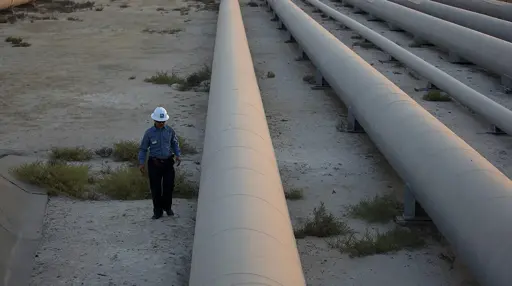
The cutoff hits Saudi exports that had sunk to a nine-year low in August
Saudi Aramco has informed at least two European refiners that they will receive no crude in October under their long-term supply contracts, citing the damage caused by a drone attack on the East-West, Bloomberg reported on 18 September.
According to people briefed on the decision, the cutoff is not limited to the refiners Aramco has notified so far and applies to all of its European buyers.
These customers typically receive Saudi crude every month under term contracts meant to keep supplies steady.
The cutoff has left European refiners scrambling to replace the lost barrels. Poland’s Orlen has already issued more than 10 tenders for alternative cargoes, a move that has amounted to panic buying among some Aramco customers.
Dated Brent, Europe’s benchmark, briefly rose above $130 this week due to the rush driving up prices for regional grades.
Even before the October cutoff, at least three European refiners had Saudi crude cargoes scheduled for the final 10 days of September canceled or deferred until as late as November, according to trade publication Argus.
Two other refiners expected notices of delays or cancellations to their September supplies.
One market source told Argus that every Saudi cargo due to load in the last 10 days of the month could be at risk, though the refiners in question were not named, and Aramco declined to comment.
Riyadh announced the shutdown of the East-West pipeline, also known as Petroline, on 10 September after drones hit at least two points along its route.
Saudi authorities have blamed drones they allege were launched from Iraq, an accusation the Iraqi resistance has denied.
No Saudi crude has left Yanbu since 11 September, according to Vortexa data, while Aramco said it was aiming for a partial restart within days and full capacity within six weeks, a person familiar with the matter told Bloomberg.
The outage deepens the strain on Saudi exports, which had already slumped to around 3 million barrels per day in August, a nine-year low, under pressure from the Hormuz blockade and Yemeni blockade on Saudi shipping in the Red Sea.
From Orinoco Tribune via This RSS Feed.